
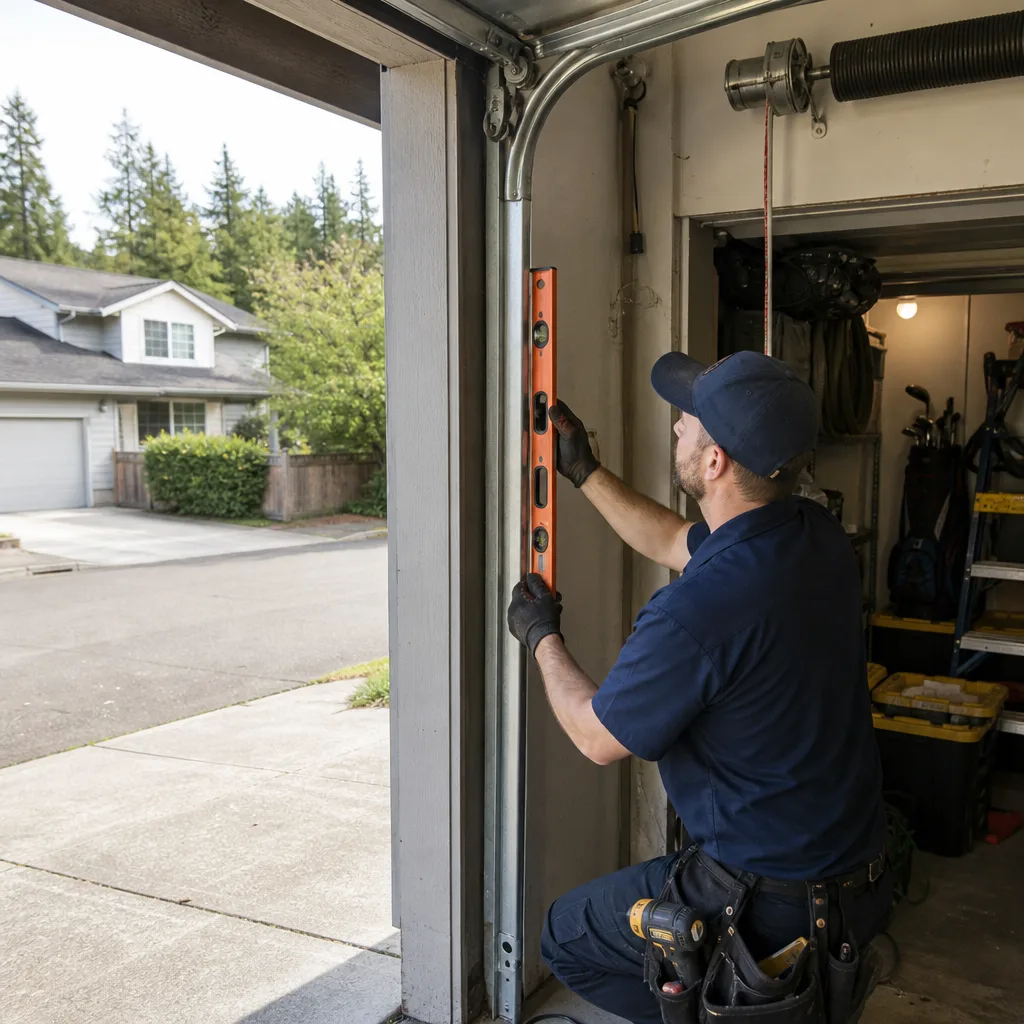
Last updated November 23, 2026
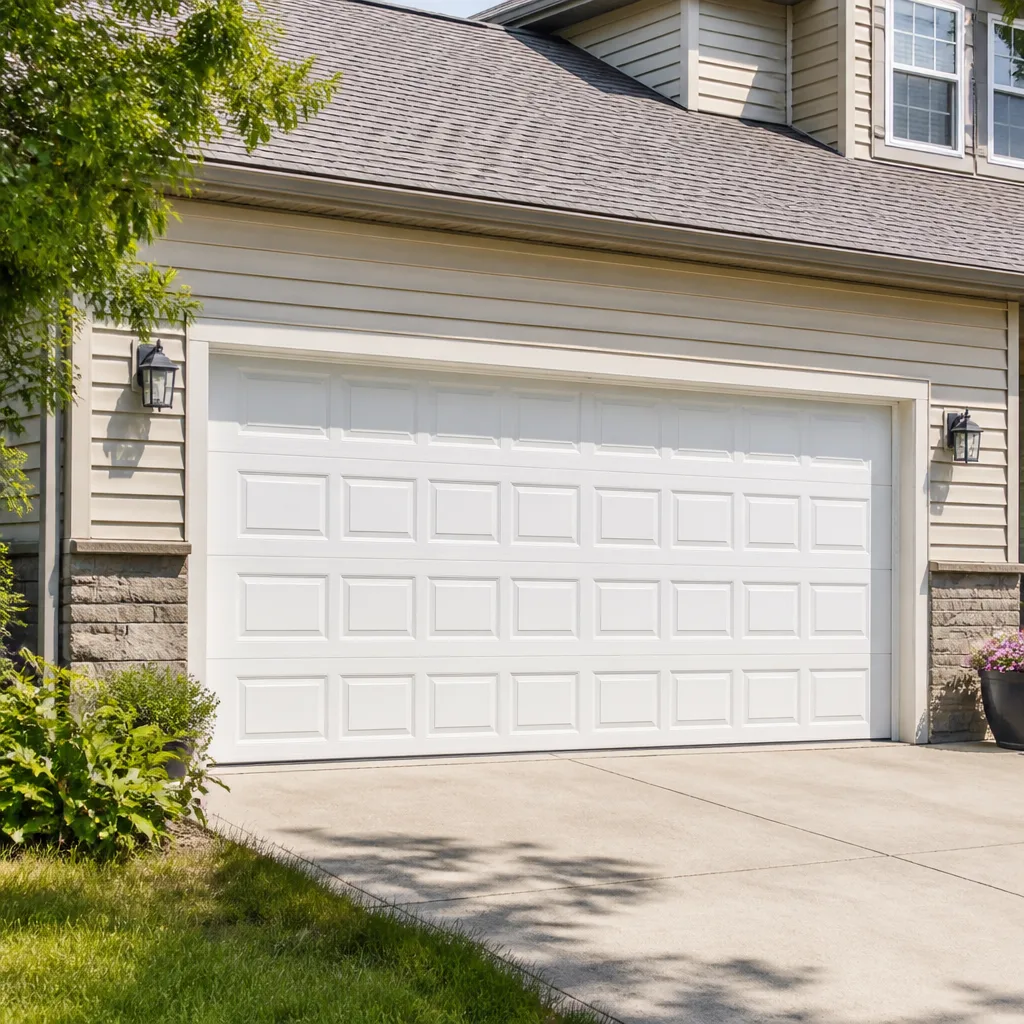 Raised-panel steel
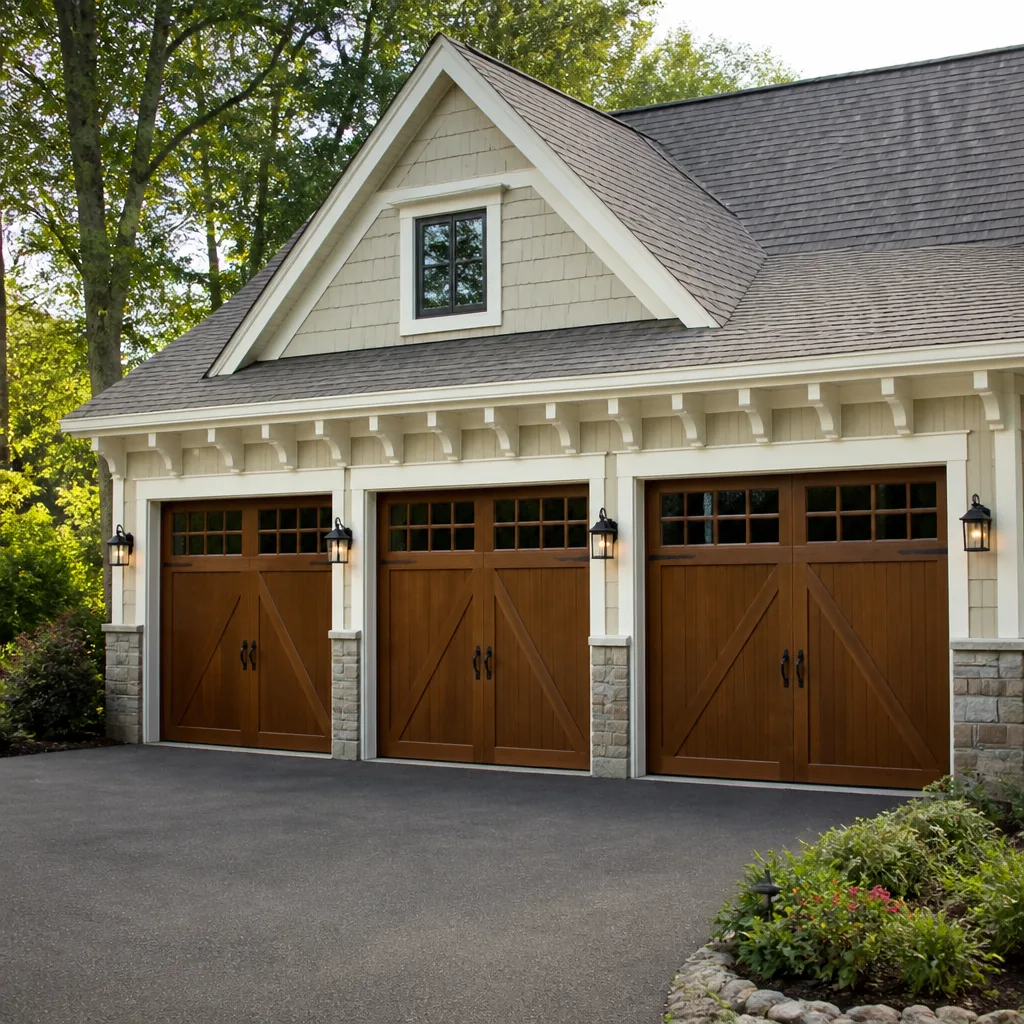 Carriage house
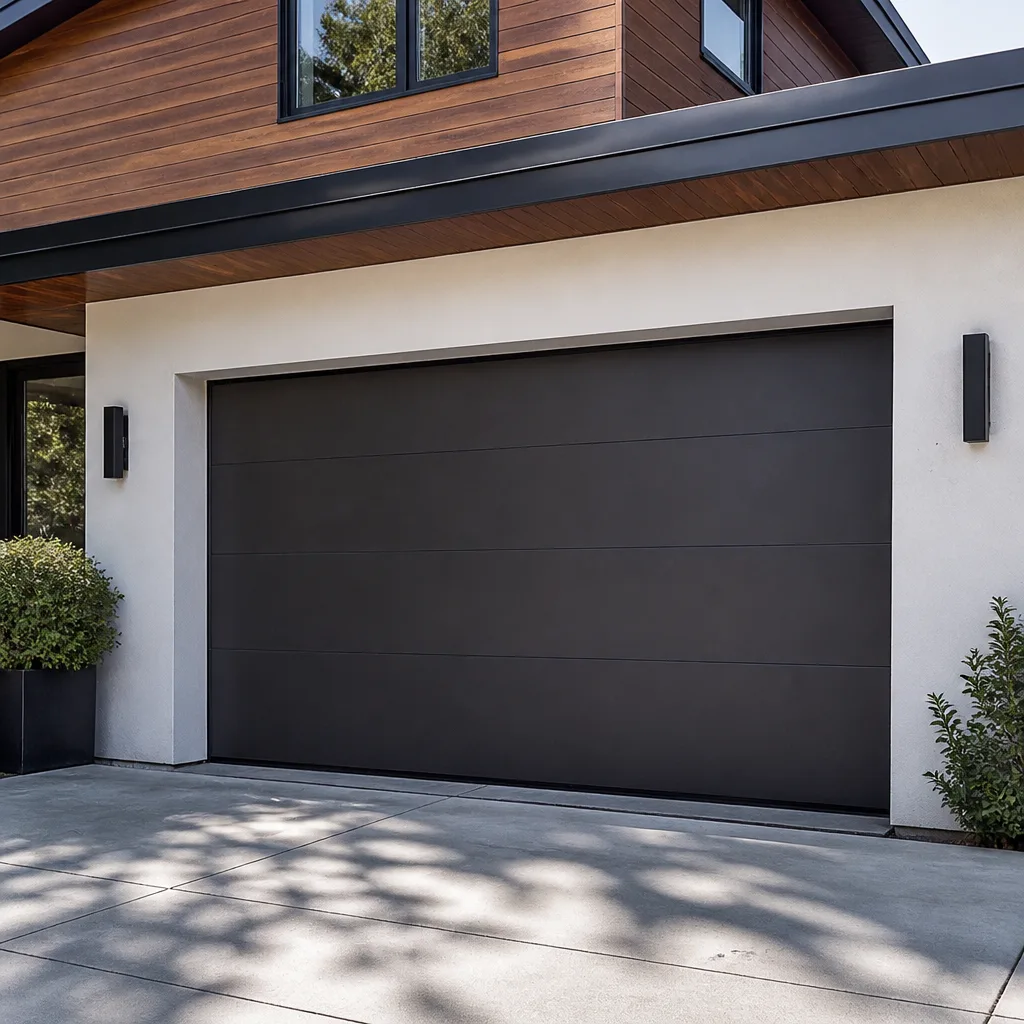 Modern flush
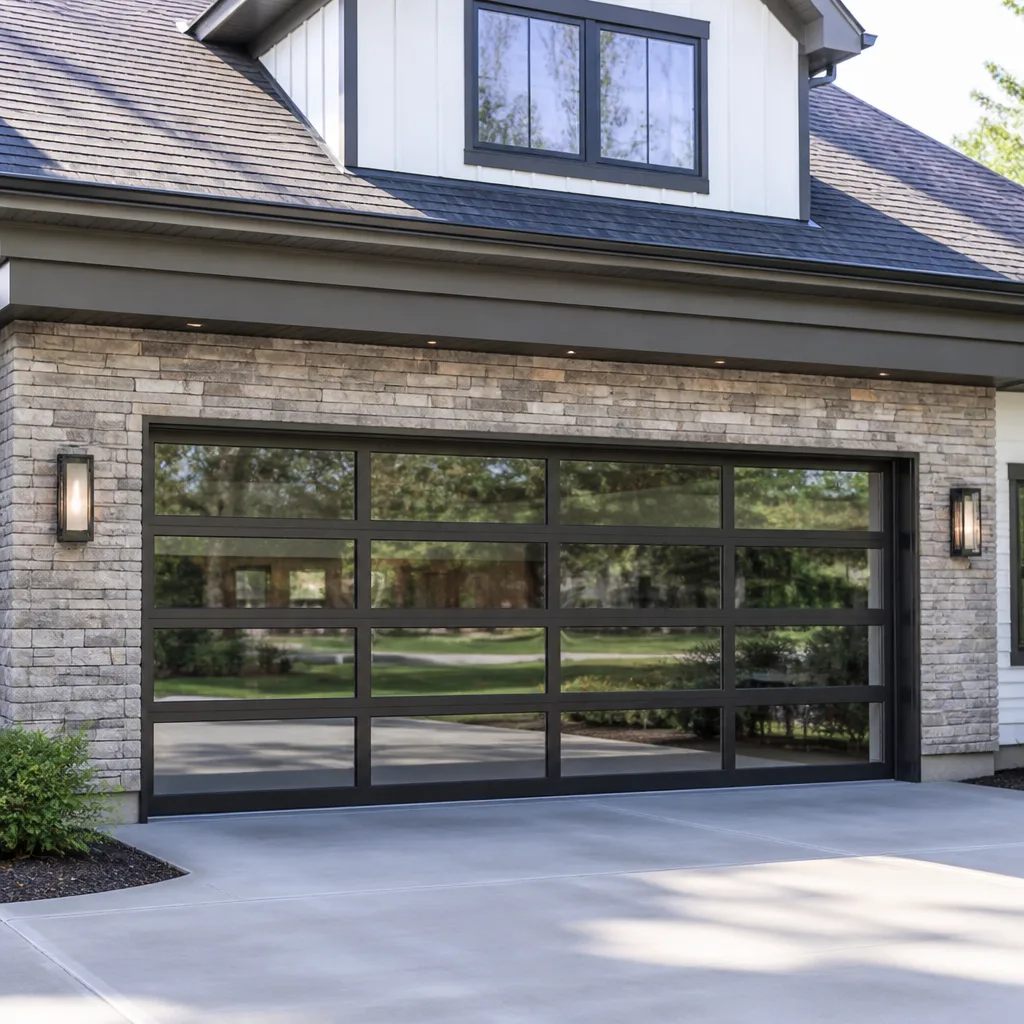 Full-view glass
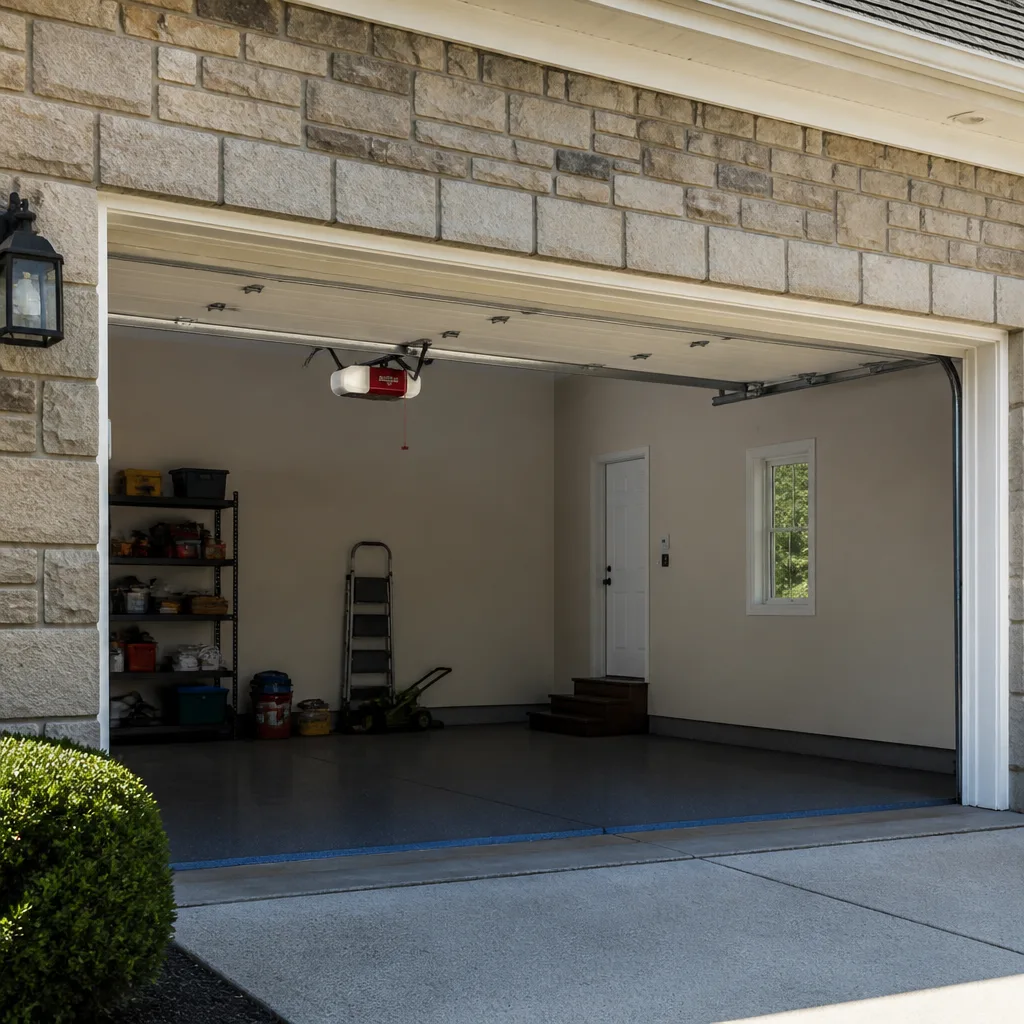 LiftMaster openers
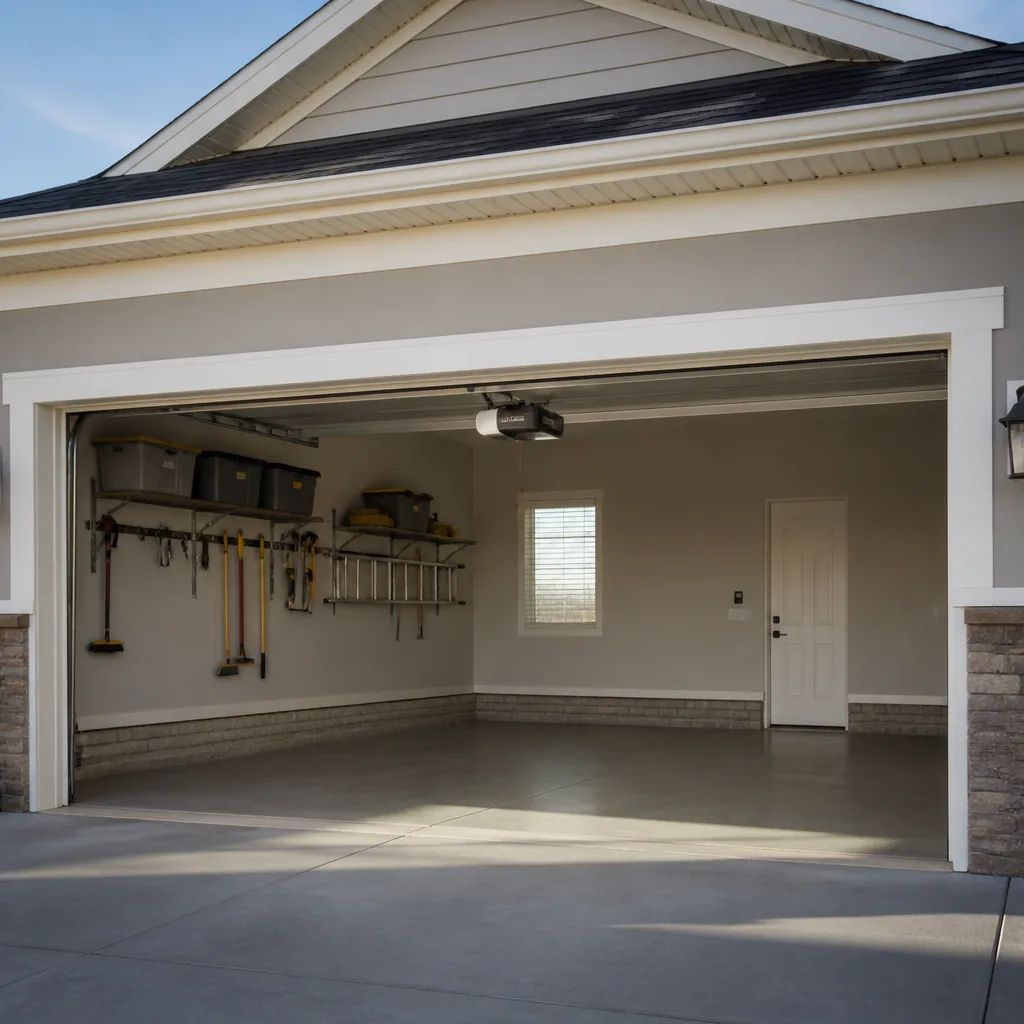 Chamberlain openers
Full 25-point door and opener safety check with every visit - springs, cables, rollers, tracks, and your LiftMaster or Chamberlain opener included
You get a price before we start. It does not change when the pro arrives.
Get your free estimateGarage Door Permits, Codes & Inspections in Federal Way, WA: What You Need to Know
Most homeowners in Federal Way assume a garage door replacement is a simple swap. The old door comes off, the new one goes on, and nobody needs to call City Hall. That assumption is where trouble starts. The door itself rarely causes a problem at resale. What causes the problem is everything the installation triggers – insulation requirements for conditioned spaces, fire-separation rules between an attached garage and the rooms above it, and closer hardware that has to meet code. None of that shows up in a manufacturer’s brochure. This guide walks through when a permit is required in Federal Way, what the Washington State Energy Code asks of an insulated door, what an inspector actually looks at, and how to deal with work that was done without one.
Quick Answer
In Federal Way, a like-for-like garage door replacement (same size, same opening, no structural changes) usually does not require a permit, but any job that changes the opening size, alters the header, adds or moves an opener circuit, or touches the fire-separation assembly generally does. Insulated doors on a conditioned garage fall under Washington State Energy Code requirements, and the wall and door between an attached garage and the living space must maintain fire separation. Because local rules and permit thresholds can change, confirm the current requirement with the City of Federal Way before work starts. Call (855) 337-0888 for a free estimate on the installation itself. We answer 24/7.
Styles & brands we work with
- Raised-panel steel
- Carriage house
- Modern flush
- Full-view glass
- LiftMaster openers
- Chamberlain openers
Table of Contents
- When Does a Garage Door Replacement Need a Permit in Federal Way?
- What the Washington State Energy Code Requires of an Insulated Door
- Fire Separation Between an Attached Garage and the Living Space
- What a Permit Inspection Actually Covers
- How to Permit Work That Was Done Without One
- Why This Matters at Resale in Federal Way
- How Federal Way’s Climate Affects Door and Hardware Choices
- Common Mistakes to Avoid
When Does a Garage Door Replacement Need a Permit in Federal Way?
The short version: a straight replacement that matches the existing opening in size, location and configuration usually falls below the permit threshold, while anything that changes the structure of the opening pulls a permit. That line is what matters most, and it’s the one homeowners get wrong. Swapping a worn Clopay door for a new one of identical dimensions is a maintenance item. Widening the opening to fit a larger door, changing a single door to a double, or modifying the header is construction work, and construction work needs a permit.
Here’s how the two categories usually break down in our experience across Federal Way:
- Typically no permit: replacing a door of the same size in the same opening, replacing springs, cables, rollers or hinges, replacing an opener with a comparable unit on an existing circuit, and replacing worn trim around the opening.
- Typically needs a permit: enlarging or narrowing the opening, cutting or reinforcing the header, converting a manual door to an automatic one where new wiring is required, adding a garage where none existed, and any change to the fire-separation assembly between the garage and the house.
- Ask before you assume: converting a garage to living space, adding a second door to an existing wall, and any job where the existing opening turns out to be out of square or below current sizing.
We can’t tell you the current permit fee or the exact threshold the city is applying this month, because those change. What we can tell you is that the City of Federal Way’s building department is where the answer lives, and a two-minute phone call before you order a door saves a lot of explaining later. If you’re already working through a repair and wondering whether the door is worth replacing, our garage door repair page covers the repair-versus-replace question in more detail. Either way, the permit decision comes before the door is ordered.
What the Washington State Energy Code Requires of an Insulated Door
Washington State Energy Code (WSEC) applies to the building envelope, and a garage door on a conditioned space is part of that envelope. Here’s the piece most homeowners miss: if the garage is heated, insulated or finished as living space, the door that separates it from the outside is treated differently than a door on an unconditioned, unheated garage. A door on an unconditioned garage is a weather barrier. A door on a conditioned garage is an energy barrier, and it has to perform like one.
In practical terms, that means an insulated door – not a single-layer steel panel – with an insulating value that matches what the code asks for in this climate zone. Federal Way sits in a marine climate with cool, wet winters and mild summers, so the demand isn’t extreme heat. The bigger local issue is staying dry and preventing condensation. A door with a thermal break between the exterior skin and the interior skin stays warmer on the inside face, which cuts down on the sweating that happens when warm interior air meets a cold steel panel in January.
A few things that follow from the code side of this:
- Insulated doors from Clopay and Amarr are built with different insulating values depending on the model, so match the door to the space, not to the showroom floor.
- Weatherstripping, bottom seals and threshold seals are part of the assembly. A well-insulated door with worn bottom rubber leaks air and undoes the insulation value.
- If the garage is conditioned, the door and its seals are part of what an inspector will look at if a permit is pulled for the work.
- Whatever R-value a manufacturer lists for its door is the door’s value alone – it doesn’t account for gaps, an out-of-square opening or a poorly sealed threshold.
Upgrading from a builder-grade door to an insulated model is one of the more common requests we get from Federal Way homeowners finishing a garage or converting it into a workspace. The door matters, and so does the frame around it. If you’re pricing that swap, our garage door installation page walks through what’s involved in the measure and the written quote.
Fire Separation Between an Attached Garage and the Living Space
Attached garages are separated from the rest of the house by a fire-separation assembly, and that assembly includes the wall, any door between the garage and the house, and – in some configurations – the garage door end of the structure. The rules exist because garages hold vehicles, fuel and stored flammables, so a fire that starts there should be slowed before it reaches a bedroom above. When a garage door replacement touches that assembly, the inspection can reach into it.
What the code side of this usually involves, in plain terms:
- The door between garage and house. A solid door, typically with a self-closing device, so it can’t be left propped open. Hardware on this door is a common inspection item.
- Drywall and penetration sealing. The wall separating the garage from living space is protected, and any hole cut through it – for wiring, plumbing or a new opener circuit – has to be sealed.
- Wall and ceiling finishes in the garage. Where the garage sits under a sleeping area or shares a wall with the house, the finish on the garage side is part of the separation.
- Attic and crawlspace penetrations. Openings between the garage and an attic over the house may need some kind of fire-rated cover built and kept closed.
The reason this comes up in a garage door conversation is that homeowners rarely know which walls are part of the assembly. When a new door is installed with new track and new hardware, and the old wiring has to be moved or the header has to be modified, the work brushes against the separation. We’ve seen plenty of Federal Way garages where a previous owner cut through the ceiling drywall to hang shelving and never sealed it. A door install won’t create that problem, but a permit inspection can surface it, and that’s better found during a project than during a sale.
One more point on the fire door between garage and house: it is not a garage door, and a general handyman isn’t the right person to hang or adjust it. We handle garage doors and the hardware on them, which is exactly why we tell homeowners when a job needs a licensed contractor for the fire door itself.
What a Permit Inspection Actually Covers
When a garage door replacement or a modification does pull a permit, the inspector is not there to judge whether the door looks good. The inspector checks that the assembly as built meets the code the permit was issued under. That’s a different checklist than the one the door’s own manufacturer prints, so it helps to know what’s likely on it.
Most inspection checklists for garage door work touch these points:
- Opening dimensions. The door matches the approved opening size and the headroom above it is adequate for the door and track.
- Header and framing. If the header was modified, it’s built to plan and carries the load it’s supposed to.
- Fire separation intact. The wall between the garage and the house, any penetrations through it, and the door between the two spaces are finished and sealed as required.
- Insulation. Where the garage is conditioned, the door’s insulating value matches what the permit calls for.
- Safety devices. If an automatic opener is involved, the safety reverse and the photo-eye system are in place and functioning.
- Attachments and hardware. Track, brackets, spring system and hinges are properly anchored and the door runs smoothly through its full travel.
The safety reverse and photo-eye check is the one that catches people who installed an opener themselves. Every opener we work on – LiftMaster, Chamberlain, Genie, Craftsman – has that system for a reason, and an inspector will test it. If your opener is failing that test now, our garage door opener repair page is where that conversation continues. If you’re pulling a permit and want the door measured and quoted before you file, call us and we’ll come out for a free estimate. We answer 24/7, with fast dispatch from 7am to 7pm.
How to Permit Work That Was Done Without One
Work done without a permit can usually be permitted after the fact, but it’s a different process than pulling a permit up front. The city reviews the existing work, may require a plan or a drawing of what’s there, and then inspects it. If the work meets code, it gets signed off. If it doesn’t, you fix it and call for a re-inspection. It’s a workable path, and it’s far better than leaving the door undocumented if you plan to sell.
Here’s the sequence we walk homeowners through:
- Find out what was actually done. Measure the opening, note the door size, and note any structural change to the header or framing. If you don’t have the old paperwork, the physical condition of the opening tells most of the story.
- Call the City of Federal Way building department. Ask what they need for a permit on existing work – drawings, photos, an inspection, or all of the above. Ask the fee question while you’re on the line.
- Get the installation checked against current code. An insulated door on a conditioned space may need to meet the current WSEC, and the fire separation needs to be intact. That check is often where a cheap install turns out to have skipped something.
- Fix what the inspection flags. Usually it’s small – a missing closer on the fire door, an unsealed penetration, a photo-eye that doesn’t reverse the door.
- Complete the inspection and keep the paperwork. The signed-off permit record is the thing that matters when a buyer’s inspector comes through.
Two honest cautions. First, if the previous installation altered structure – widened the opening, replaced a header, removed a wall – the bar is higher and the fix can be a real project. Second, if the door itself was installed below code in a way that can’t be brought up to standard without replacement, it may be cheaper to replace the door than to keep chasing the permit. We’ve seen both outcomes in Federal Way, and we’d rather tell you which one you’re facing before you spend on inspections you don’t need.
Why This Matters at Resale in Federal Way
A buyer’s home inspection in Federal Way looks at the garage door, the opener and the fire separation because they’re easy things to check and they matter for safety. When a door replacement shows up with no permit record, the inspector flags it, the buyer asks for documentation, and the seller has to either produce it or explain why there isn’t any. That’s the moment when a cheap install turns into a negotiating item. It isn’t about the door itself, usually. It’s about everything the install touched. That’s the pattern worth understanding early.
What causes trouble at resale, in order of frequency:
- A structural change to the opening with no permit and no record of how it was framed.
- An uninsulated door on a garage that a previous owner finished and heated, creating an envelope issue the buyer’s inspector spots.
- A fire door between garage and house with no self-closer, or one that’s been propped open long enough to be damaged.
- An opener installed on a DIY basis where the photo-eye was never set and the safety reverse never tested.
- Penetrations through the separation wall that were never sealed after wiring or shelving went in.
None of these are exotic. They’re ordinary oversights, and each one is cheaper to deal with before the house goes on the market than during a repair negotiation. If you’re preparing to list and want the door side of the garage checked before the buyer’s inspector gets there, our garage door spring repair page covers what a worn spring looks like, and a free estimate on the door assessment is the easiest way to catch the rest.
How Federal Way’s Climate Affects Door and Hardware Choices
Federal Way’s marine climate is mild but wet. Winters bring long stretches of cool rain and high humidity, and summers stay moderate. That weather pattern shapes what a garage door has to handle here, and it shapes what an inspector expects to find in a conditioned garage.
The practical effects:
- Condensation on a cold steel door. A single-layer door on a conditioned garage sweats on the inside face in winter. An insulated door with a thermal break reduces it, and the insulation is also what the energy code asks for.
- Trees and debris. Federal Way’s tree cover means gutters and roof runoff drop leaf litter and pine needles into the door’s track. Worn or clogged track is a common cause of the door coming off its line, and it shows up in an inspection as a door that doesn’t run smoothly.
- Constant damp under the door. The bottom seal is the first thing to go. A worn seal lets water in at the threshold, which shows up as moisture on the garage floor and, in a conditioned garage, as a failed envelope point.
- Painter and stain performance. Wood and steel doors both take a beating from a wet winter followed by a dry summer. Where the finish has cracked, moisture gets behind it, and the door’s surface starts to fail. A well-painted steel door from Wayne Dalton or Amarr holds up well here when it’s maintained.
What this means for the permit side is simple: on a conditioned garage in Federal Way, the door’s insulation and the integrity of its seals are part of the envelope, and an inspection that touches the door will reach the seals too. When we come out for a free estimate, we look at the frame, the threshold, the seal line and the track before we quote anything, because on a wet-climate install the door is only as good as the opening it’s mounted in.
Common Mistakes to Avoid
- Assuming all replacements are permit-exempt. A same-size swap usually is, but the moment the opening changes, the job is construction. Confirm with the City of Federal Way before you order a door, not after.
- Skipping the insulation question on a conditioned garage. If the space is heated or finished, a single-layer door isn’t just inefficient, it can fail the energy code review. Match the door to the space, not the sale price.
- Leaving the fire door propped open. A self-closer on the door between the garage and the house is part of the assembly. Removing it, or defeating it so the door stays open, is a common inspection finding and one of the easiest to prevent.
- Sealing over wiring penetrations with caulk and calling it done. Penetrations through the separation wall need a proper, fire-rated approach. If you’re not sure what that means in your garage, have the wall looked at before the inspection does it for you.
- Installing an opener without setting the safety reverse and photo-eye. Every major brand – Craftsman, Genie, LiftMaster, Chamberlain – ships with the system for a reason. Test it monthly and never ship a door with a dead eye.
- Not keeping the permit paperwork. A signed-off permit record is what a buyer’s inspector and the buyer’s lender will ask for. Keep it with the house records the same way you’d keep a water heater receipt.
- Hiring a generalist for a job that touches structure. A handyman can swap a spring. A header modification, a wiring change or a fire-separation repair needs someone who knows what the code asks for, and on a garage door that means a specialist who does the whole assembly, not just the panel.
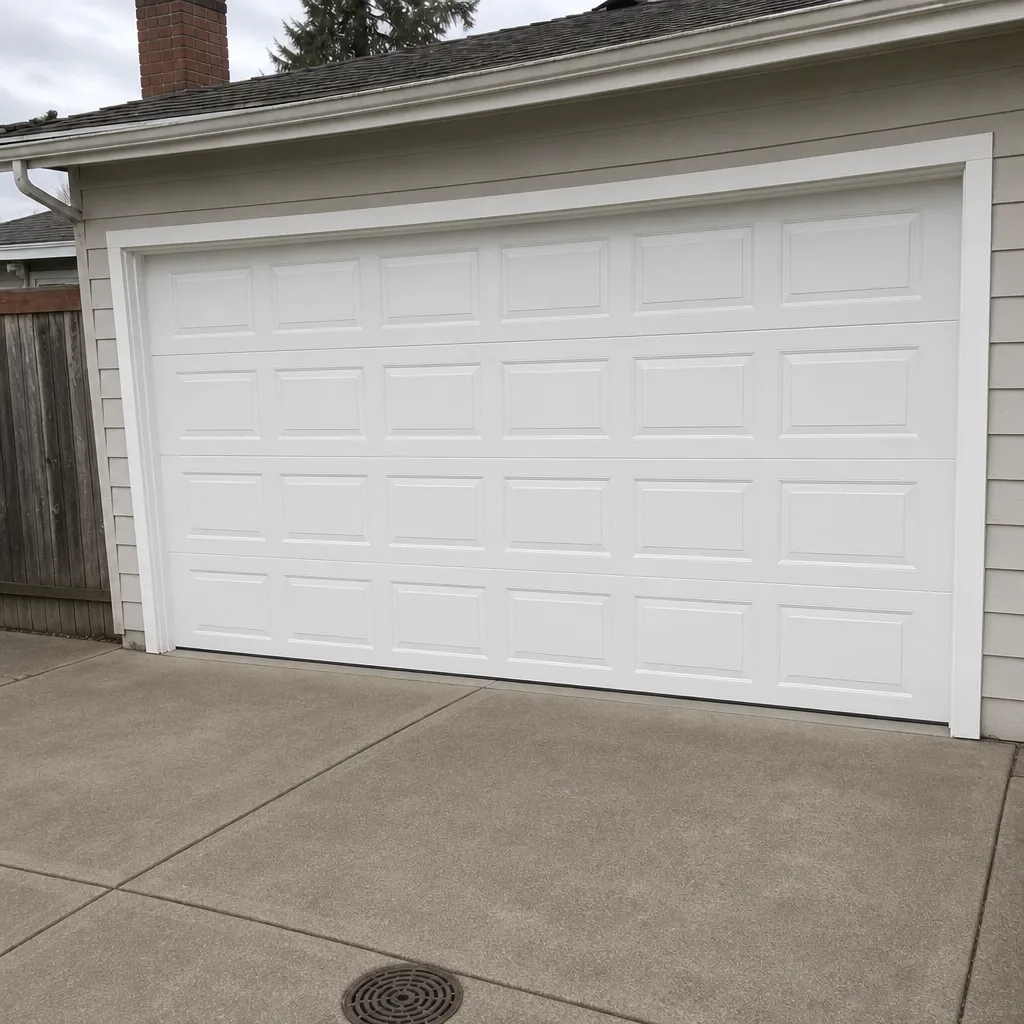
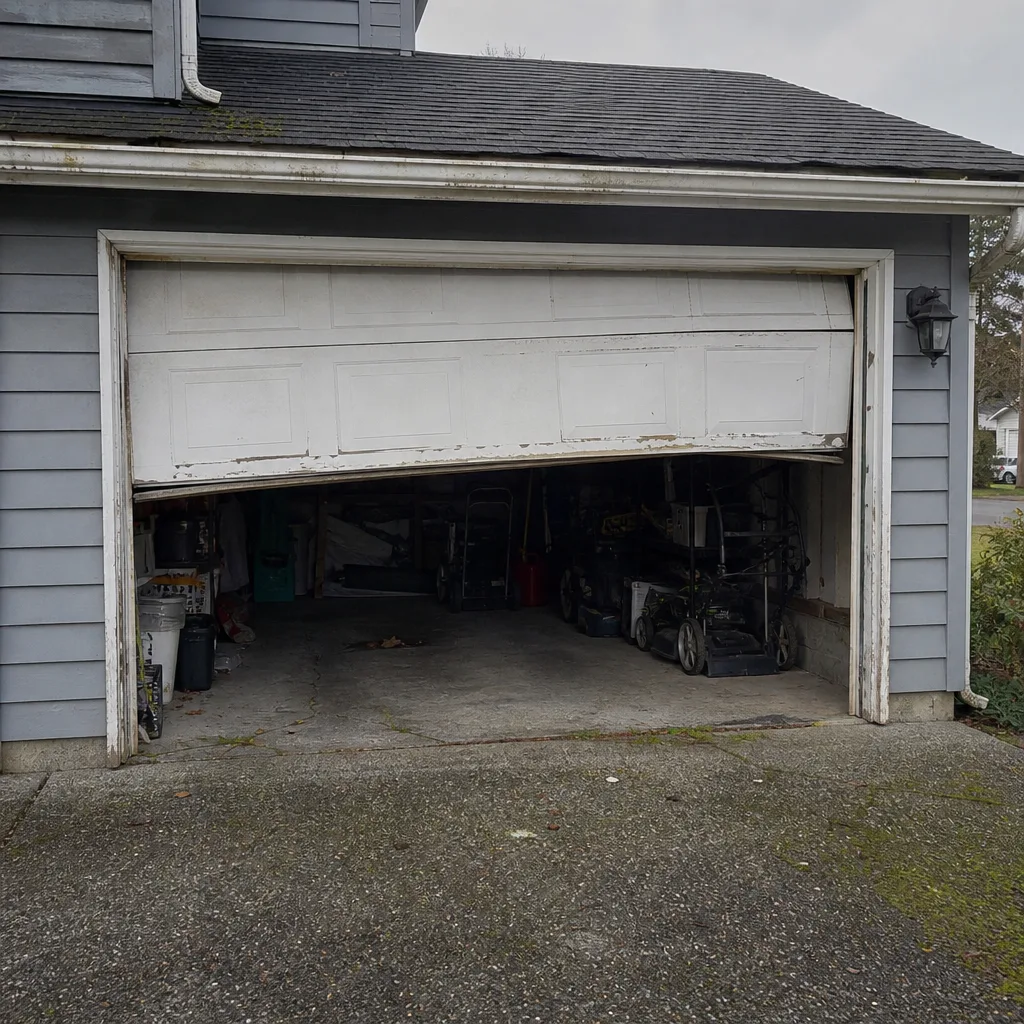
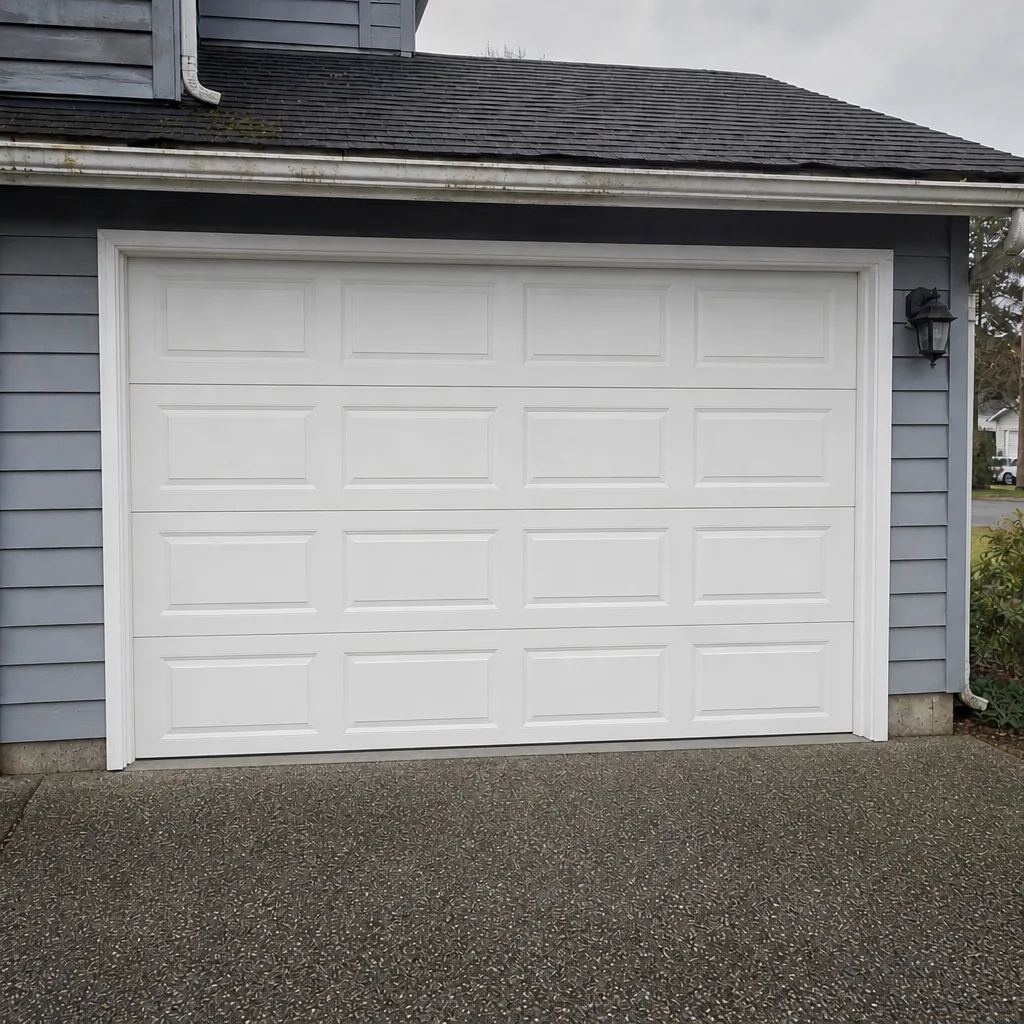
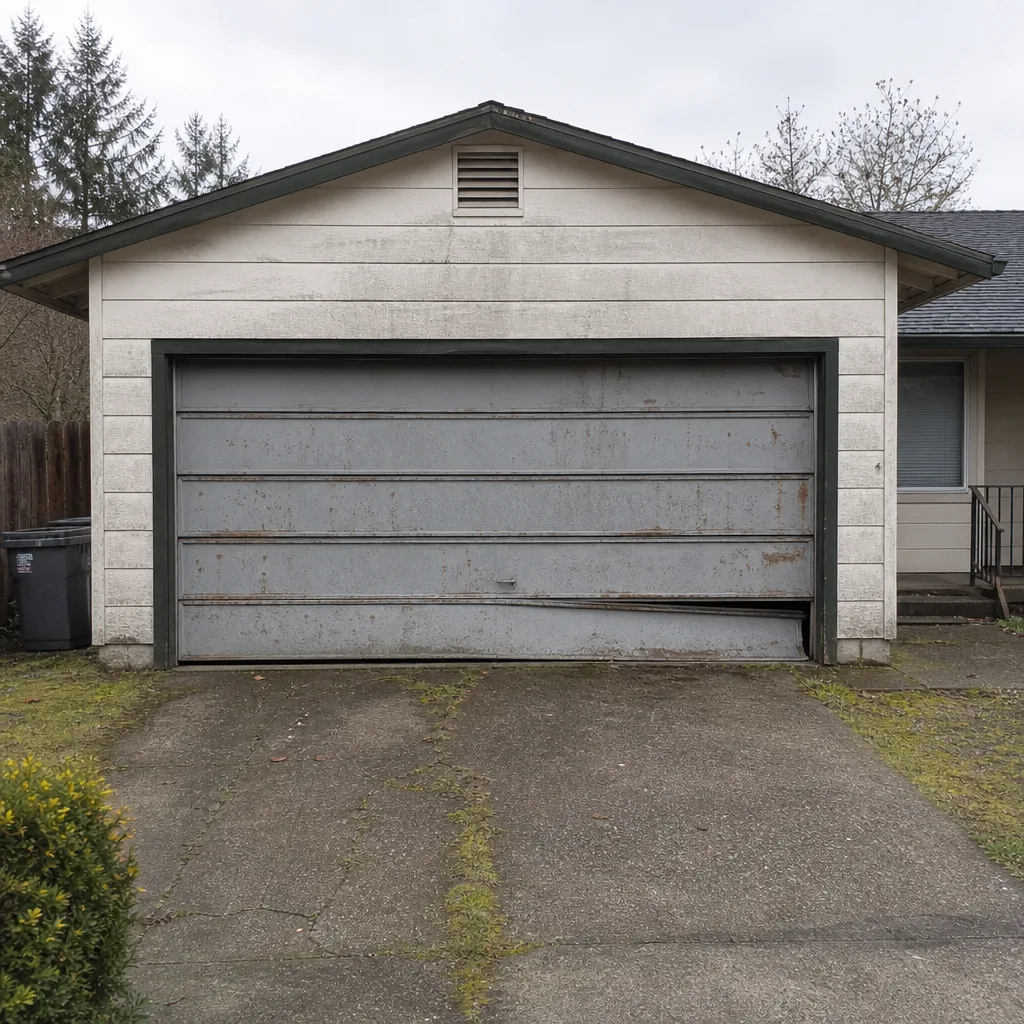
See the difference
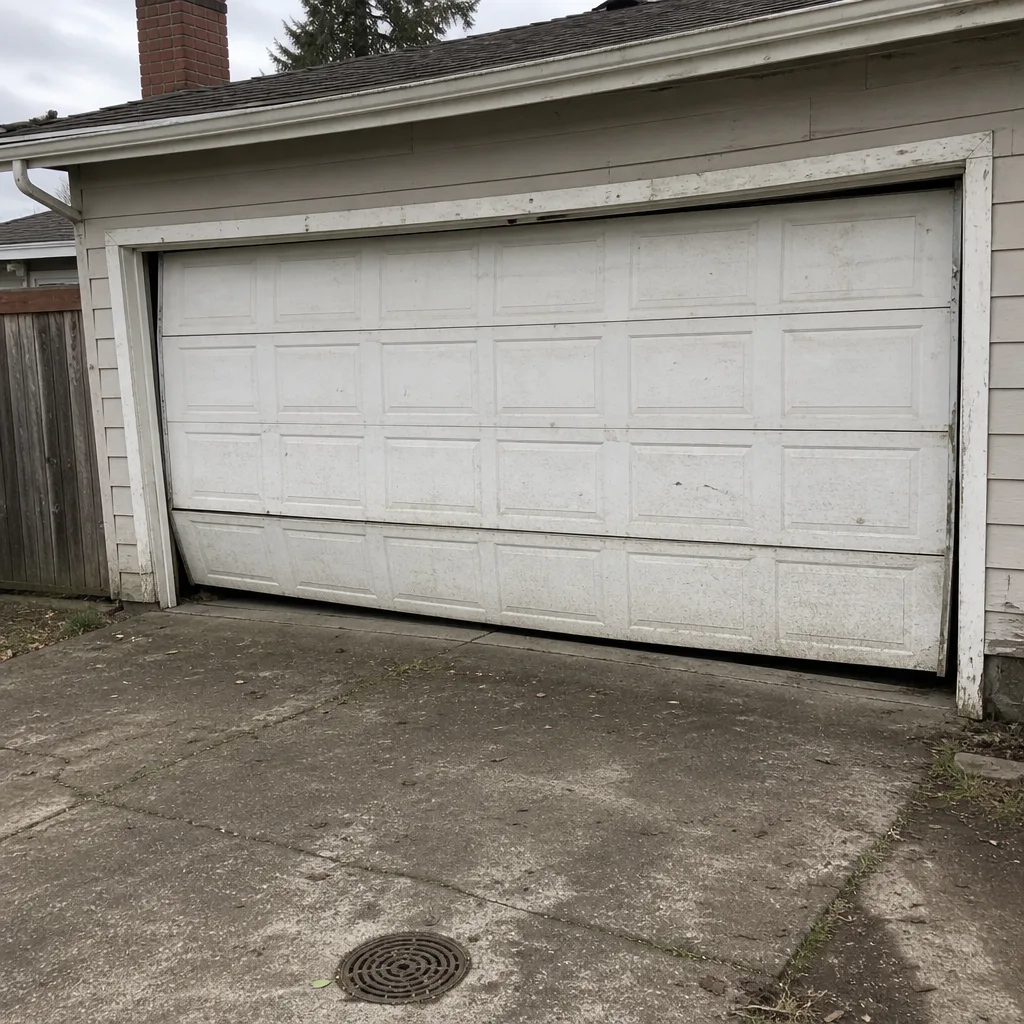 Before
 After
 Before
 After
 Before
 After
When to Call a Professional
Some garage door work is a phone call to the city, and some of it is a phone call to us. The jobs that need a professional are the ones that touch structure, fire separation, energy code or high-tension hardware. If the opening needs to change size, if the header needs work, if the fire door between the garage and the house isn’t closing on its own, or if an opener is going in on a new circuit, that’s a job for a trained electrician or a garage door specialist, not a weekend project. Springs and cables are the other case. Those carry an enormous amount of stored tension, and a spring that lets go while someone is working on it can cause a serious injury. We handle spring repair as its own service because it deserves that care, and we won’t walk anyone through a spring swap on a phone call. A trained technician is the right call. Federal Way Garage Door Repair Co offers free estimates in Federal Way – call (855) 337-0888. We answer 24/7, with fast dispatch from 7am to 7pm.
Frequently Asked Questions
Usually not if the replacement matches the existing opening in size and configuration, but you do need one if the opening changes, the header is modified, or the work touches fire separation or the opener’s circuit. The City of Federal Way’s building department is the place to confirm the current threshold before work starts. Call (855) 337-0888 for a free estimate on the installation – estimates are free.
Washington State Energy Code treats the garage door as part of the building envelope when the garage is conditioned, so it needs an insulated door rated to the value the code asks for in this climate. Weatherstripping, bottom seals and a tight threshold are part of that envelope. A local specialist has to match the door to the space, not just to the opening. Call (855) 337-0888 to have your door and seals checked – estimates are free.
It includes the wall between the garage and the living space, any penetrations through it, and the door between the garage and the house, which is typically solid with a self-closer. In some layouts the ceiling and the framing above the garage are part of the assembly too. If you’re not sure which parts of your garage are covered, have the wall looked at before an inspection does. Call (855) 337-0888 for a free estimate.
Yes, in most cases you can permit existing work after the fact. The city reviews what’s there, may ask for drawings or photos, and sends an inspector to check the work against current code. If it passes, it gets signed off; if not, the flagged items get fixed and re-inspected. Call the City of Federal Way building department first, then call us at (855) 337-0888 for a free estimate on any door work the inspection turns up.
It can, because a buyer’s inspector will look for a permit record and flag a door replacement that doesn’t have one. The usual fix is small – a self-closer, a sealed penetration, a photo-eye that works – but it’s better found before the house goes on the market than during a repair negotiation. Call (855) 337-0888 for a free estimate on getting the door side of your garage checked before you list.
Have the opener’s safety reverse and photo-eye system checked and repaired by a technician, because that system is a safety device and it’s part of what the inspector tests. Every major brand – LiftMaster, Chamberlain, Genie, Craftsman – uses the same check, so the repair is straightforward once the fault is found. Garage doors are all we do, so an opener fault is a single call for us. Call (855) 337-0888 for a free estimate.
The Bottom Line
Garage door permits in Federal Way come down to a simple rule: a same-size replacement is usually maintenance, and any change to the opening, the header, the fire separation or the opener circuit is construction that needs a permit. On a conditioned garage, the Washington State Energy Code pushes you toward an insulated door and tight seals, and the fire-separation assembly is the part most homeowners don’t think about until an inspection does. Work done without a permit can usually be legalized after the fact, and it’s cheaper to do that before a sale than during one. The door matters. The opening matters more. If you want the door and the opening checked before you make any decisions, Federal Way Garage Door Repair Co connects you with a vetted local specialist, and the estimate is free. Call (855) 337-0888. We answer 24/7. Fast dispatch from 7am to 7pm, Sunday through Friday, closed Saturday. If you’re starting from the beginning, the Federal Way Garage Door Repair Co home page is the place to go next.
Written by the team at Federal Way Garage Door Repair Co.