
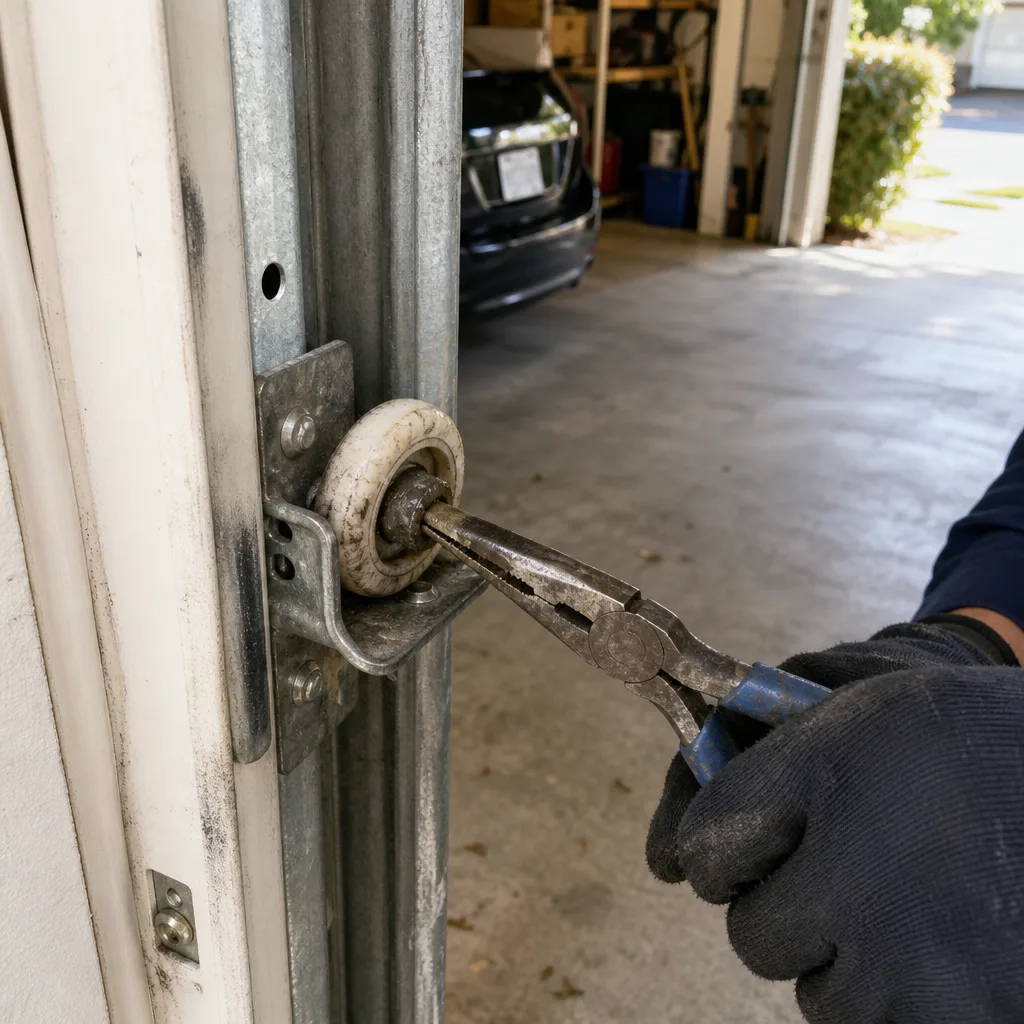
Last updated November 23, 2026
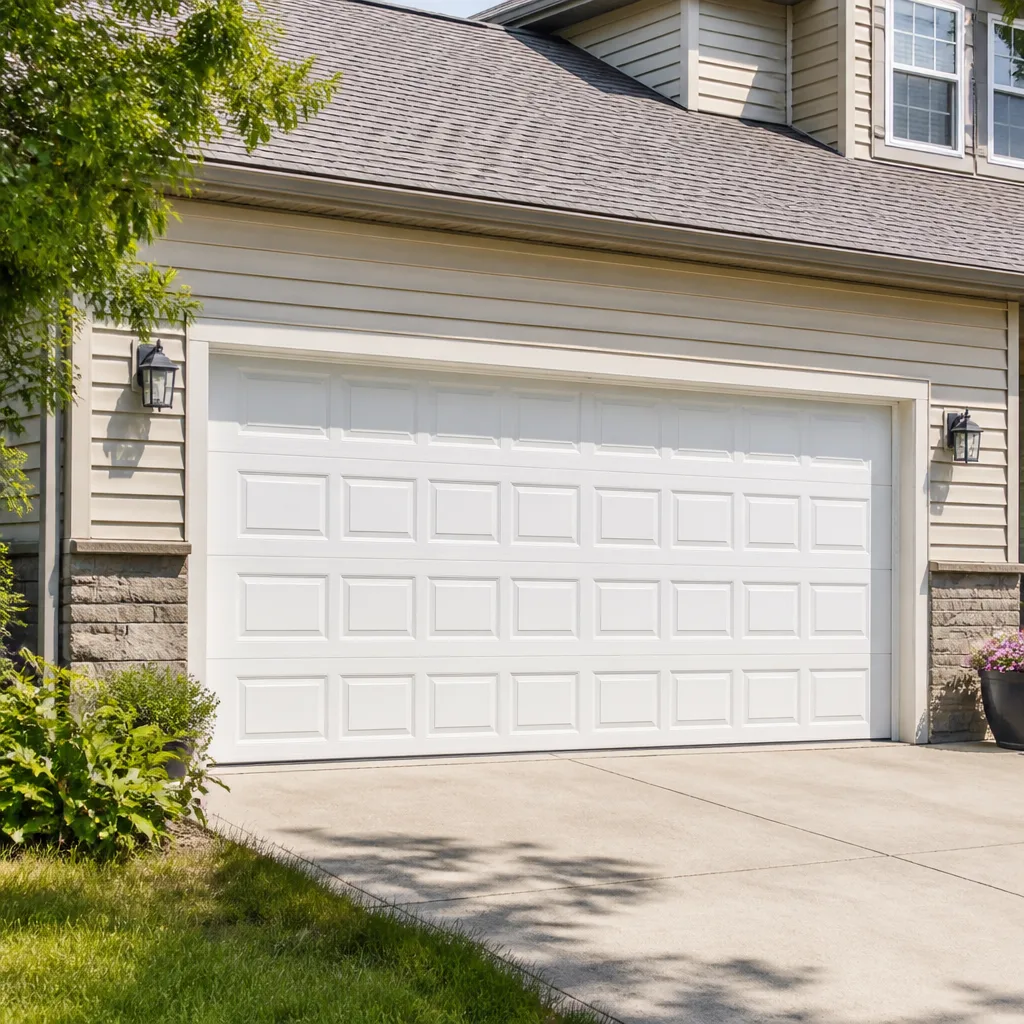 Raised-panel steel
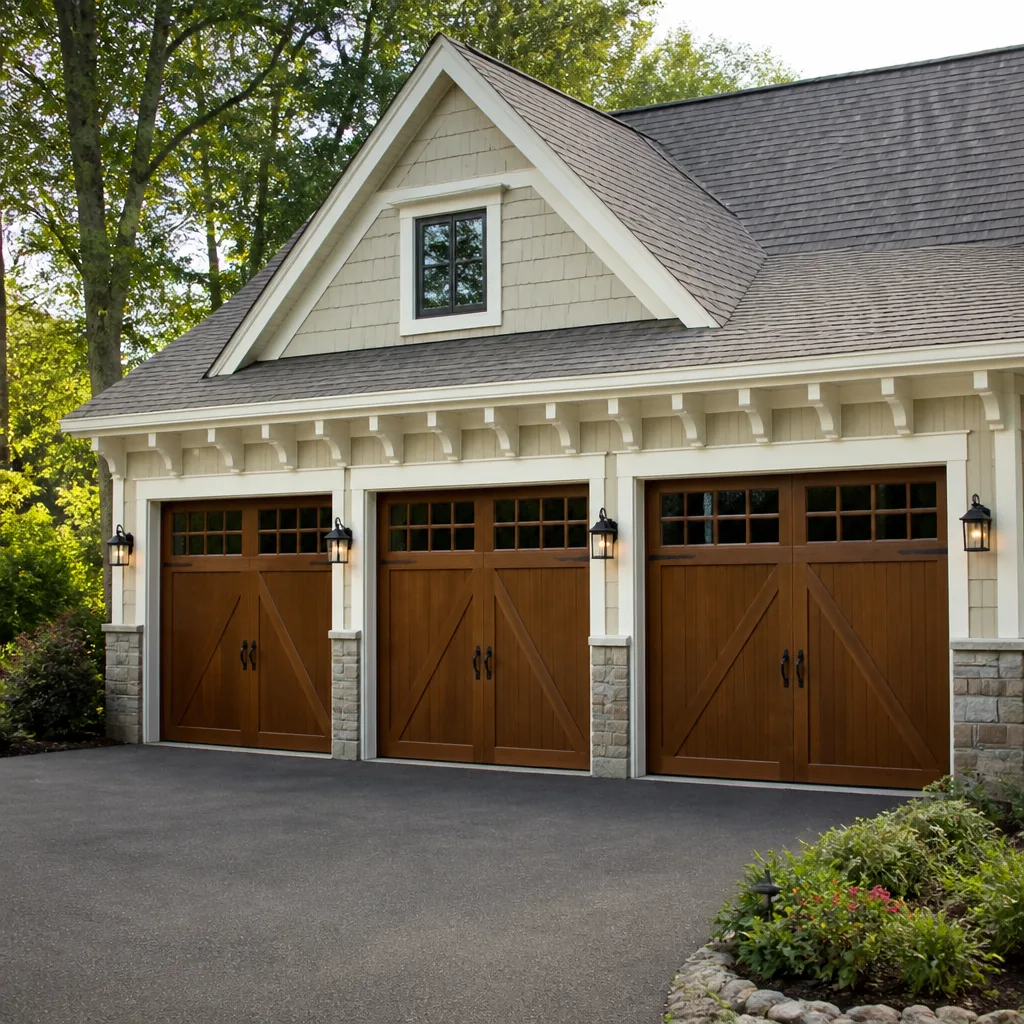 Carriage house
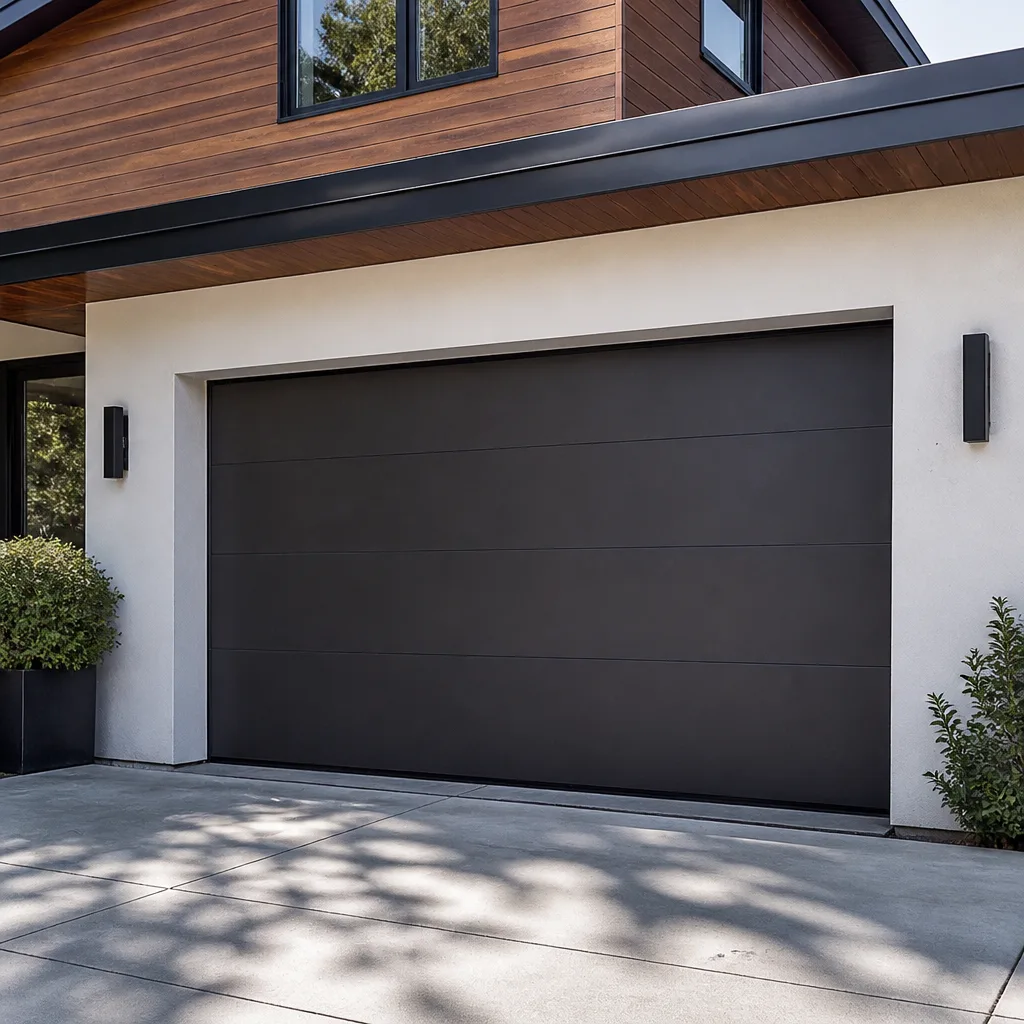 Modern flush
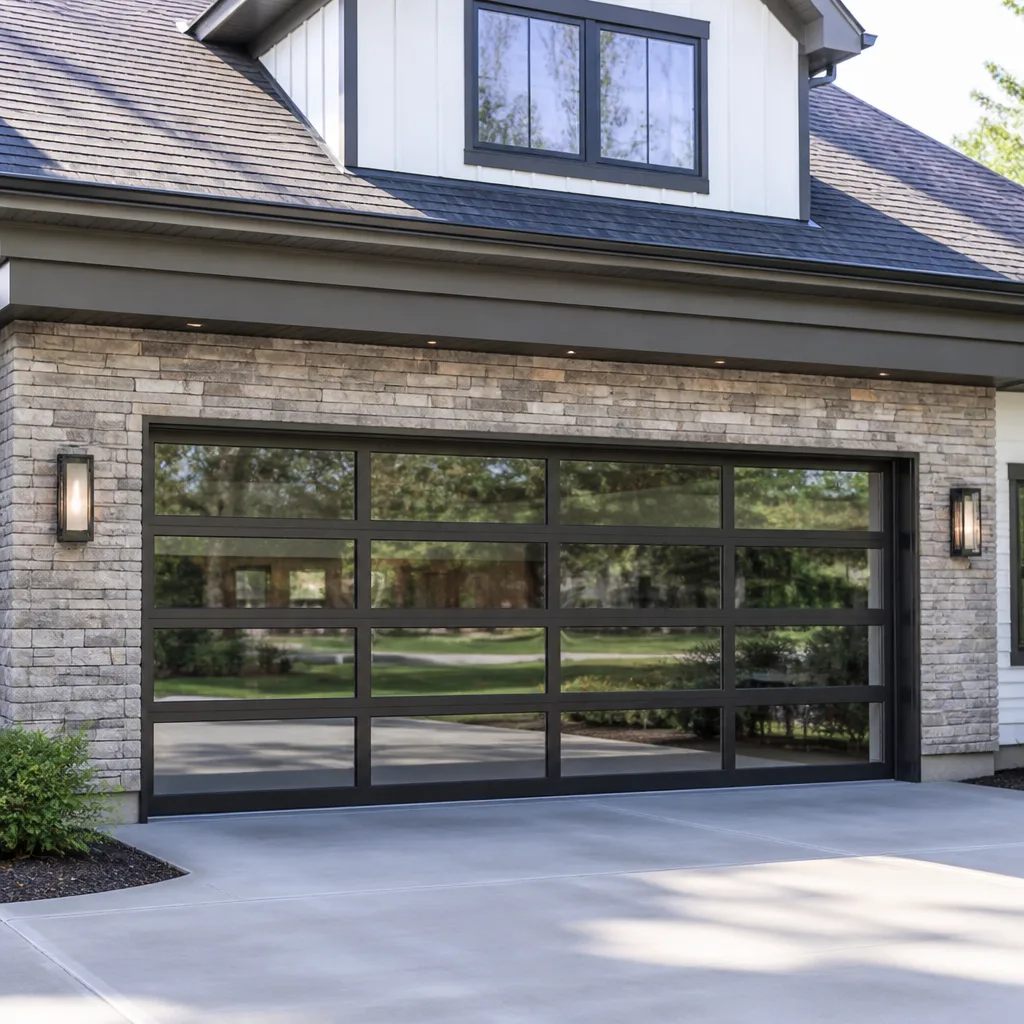 Full-view glass
 LiftMaster openers
 Chamberlain openers
Full 25-point door and opener safety check with every visit - springs, cables, rollers, tracks, and your LiftMaster or Chamberlain opener included
You get a price before we start. It does not change when the pro arrives.
Get your free estimateGarage Door Warning Signs: A Federal Way Homeowner’s Reference Guide
A garage door that’s “a little slow” and a door that’s “making a new grinding sound” are not equal problems. One might give you six months. The other might give you six uses before a cable snaps. Most warning-sign articles hand you a flat list of symptoms and leave you to guess which ones matter right now. That’s not much help when you’re standing in your driveway at 7am trying to figure out whether to drive to work or call someone. So this guide does something different: it sorts every common warning sign into a triage tier, from stop-using-the-door-immediately to keep-an-eye-on-it. You’ll learn how each sound and visual clue maps to a failing component, and what a Federal Way homeowner should realistically do about each one.
Quick Answer
Garage door warning signs fall into three urgency tiers. Stop using the door immediately if you see a broken spring, a frayed or hanging cable, or the door drops fast when you release it half-open. Schedule a repair within the week if the door moves unevenly, reverses without warning, or a new grinding or popping noise has started. Monitor and maintain if you’re seeing light rust, minor squealing, or a remote that needs a harder press. Uneven door movement is the sign homeowners ignore longest and the one most likely to turn into an emergency.
Styles & brands we work with
- Raised-panel steel
- Carriage house
- Modern flush
- Full-view glass
- LiftMaster openers
- Chamberlain openers
Table of Contents
- The Three-Tier Urgency System
- Tier 1: Stop Using the Door Today
- Tier 2: Schedule Repair Within the Week
- Tier 3: Monitor and Maintain
- What Your Door’s Noises Are Telling You
- Rust Patterns and Spring Life in Federal Way
- Opener Behavior: Mechanical vs. Electrical vs. Sensor
- The Sign Homeowners Ignore: Uneven Movement
- Common Mistakes to Avoid
- When to Call a Professional
- Frequently Asked Questions
The Three-Tier Urgency System
Every warning sign on a garage door can be sorted by one question: can this hurt someone or damage the door before a technician arrives? That question produces three tiers, and they map cleanly to three different responses. Tier one signs mean the door should not move again until it’s been looked at. Tier two signs mean the door can still be used carefully for a few days while you book a repair. Tier three signs mean the door is telling you about wear that will cost more later if you ignore it, but nothing is failing yet. Sorting a symptom into the wrong tier is where homeowners get into trouble in both directions. Panic over a squeak wastes a service call. Shrugging off a frayed cable can bend panels, break an opener, or worse.
In our experience across Federal Way, the tier system holds up regardless of door age or brand. A fifteen-year-old LiftMaster opener and a newer Chamberlain unit fail in the same general ways; only the specifics of the component change. The tier depends on what’s failing and how far along it is, not on what the label on the opener says.
Here’s a quick reference before we get into detail:
- Tier 1 (today): broken spring, visible cable damage, door that free-falls when released, door hanging crooked enough that it’s dragging.
- Tier 2 (this week): uneven movement, opener reversing unexpectedly, new grinding or popping sound, door that closes and reopens on its own.
- Tier 3 (monitor): light rust, intermittent squealing, remote that needs a harder press, minor vibration.
The rest of this guide explains how to recognize each sign, what it typically means, and how the tier applies in a Federal Way context. If you only read one section, make it the one on uneven movement. It’s the sign most homeowners wait too long on.
Tier 1: Stop Using the Door Today
Tier 1 signs mean the door has moved past maintenance and into active risk. A garage door is a heavy, spring-loaded system; when a spring or cable fails, the door’s weight is held by nothing, and the opener alone cannot safely control it. Using the door in this state can bend panels, burn out the opener motor, or cause an injury. The right response is to stop using the door, keep people clear of it, and call for a same-day visit.
These are the signs that should end door use immediately:
- A spring that’s visibly separated. A torsion spring above the door or a pair of extension springs along the tracks can snap visibly. If you can see a gap in the coil or a spring that’s hanging loose, the door is not safe to operate.
- A frayed, kinked, or hanging cable. Cables carry the spring’s force. Any visible fraying or slack means the cable could fail under load.
- A door that free-falls. If you raise the door by hand about halfway and release it slowly and it drops rapidly rather than settling, the springs aren’t holding. Don’t repeat the test; call.
- A door hanging crooked enough to drag. If one side lags or the door scrapes the tracks visibly, the torsion or cable system is unbalanced.
What to do between now and the visit: leave the door where it is, keep kids and pets away, and don’t run the opener to “test” it. If the door needs to stay shut for security, it can usually be held in place by the opener if the door is down and at rest, but don’t cycle it.
In our Federal Way work, we treat spring failure as the top of tier 1 every time. Springs are the highest-tension, highest-risk component in the garage door system, and a broken one is not a job to handle yourself, regardless of what a video suggests. If a spring has failed, the repair that follows is a garage door spring repair performed by a trained technician; that’s the safe path. Our technicians have up to 9 years of experience, and every one of them is focused on garage doors and nothing else. Call (855) 337-0888. We answer 24/7. Fast dispatch from 7am to 7pm, Sunday through Friday.
Tier 2: Schedule Repair Within the Week
Tier 2 signs are the middle band: the door still operates, but a component is drifting out of adjustment or wearing toward failure. You can keep using the door carefully for a few days while you book a repair, but this isn’t a “wait until next month” situation. Left alone, most tier 2 issues turn into tier 1 problems.
The core tier 2 signs:
- Uneven door movement. One side rises faster, or the door tilts slightly as it opens. This is the sign most homeowners ignore, and we’ll cover it in detail later.
- Opener reverses unexpectedly. The door goes down, then goes back up without your input, or reverses when nothing is in the way.
- A new grinding or popping sound. Grinding often points to rollers or tracks; popping usually points to a spring or hinge giving under load.
- The door closes and reopens on its own. The safety system thinks something’s in the path, and it’s usually right that something’s off.
- The door doesn’t open all the way, or doesn’t close all the way. Travel limits or a failing component are usually behind it.
What to do: book the repair this week. Keep movement to what you need, and stop if any tier 1 sign appears. If the door is the only way in and out of the garage, plan for a visit early in that window.
In our Federal Way work, tier 2 is where opener problems usually start showing up. A LiftMaster or a Genie unit that’s been reliable for years is often the first thing to reveal a door that’s gotten heavier – because the opener is doing more work than it used to. That’s one reason we work on the brand you already have: the fix usually isn’t a new opener, it’s a worn door system the opener is straining against. If you think the opener itself is the issue, our garage door opener repair service is the right call. Same-day service is often possible for tier 2 issues; call (855) 337-0888 and we’ll book it. Estimates are free, and the price is quoted and agreed before any work starts.
Tier 3: Monitor and Maintain
Tier 3 signs are the quiet ones: wear that’s real but not yet threatening. Nothing is failing, but ignoring them is how a $40 part becomes a much bigger repair down the line. Tier 3 signs are your cue to add the door to a maintenance routine, not to panic.
The typical tier 3 signs:
- Light rust on the springs, cables, or tracks. Rust progresses with moisture and time. We’ll explain the local pattern in its own section.
- Intermittent squealing. Usually rollers or hinges asking for lubrication, sometimes the opener’s drive.
- A remote that needs a harder press or a closer approach. Batteries are usually the cause; sometimes it’s the opener’s receiver.
- Mild vibration or rattling as the door moves. Often a loose bolt or a roller that’s worn but not yet failing.
- Slower movement than it used to have. Wear on the spring, cable, or rollers.
What to do: don’t rush a service call for tier 3. Instead, watch. If the rust is spreading, the squeal is becoming constant, or the slow door becomes uneven, it moves up a tier. That change is your signal to schedule.
In Federal Way, tier 3 signs deserve a slightly different cadence than anywhere with a mild, dry climate. The Pacific Northwest’s wet-cool swing means door components see more moisture and more temperature range than homeowners in dry climates. That rust on your spring you’ve been ignoring isn’t quite as harmless here as it might be somewhere else. It’s the reason we recommend treating visible rust as a countdown clock rather than background noise.
What Your Door’s Noises Are Telling You
Noise is the most information-dense diagnostic signal a garage door gives you. Different sounds point to different components, and matching the sound to the probable cause saves time and money. What the sound can’t tell you on its own is urgency; that comes from the tier system. But once you know what’s making the sound, the tier becomes a lot clearer.
Grinding
Grinding usually means metal-on-metal contact where there shouldn’t be any. The likely culprits are worn rollers in the tracks, a hinge that’s lost its lubrication, or the opener’s chain or screw drive running dry. Grinding that’s constant and increasing in volume is tier 2.
Popping
Popping often happens at a single point in the door’s travel and points to a hinge or the spring system under load. A repeatable pop with a slight jump is worth a call within the week. A single pop when the door opens or closes is sometimes just the door settling; a repeating pop is not.
Squealing
Squealing is almost always a lubrication or wear issue: dry rollers, hinges, or an opener’s drive. If it shows up intermittently, it’s usually a tier 3 monitor-and-lubricate. If it’s constant and getting louder, book a visit.
Rattling
Rattling is often loose hardware: bolts that have worked loose, a bracket that’s vibrating, or the door’s panels shifting slightly as it moves. Usually tier 3 unless it comes with visible door movement.
Banging or Snapping
A loud bang when the door moves, especially followed by a door that suddenly won’t operate, is often a spring failing. That’s tier 1. Treat it that way even if the door still moves, since the spring being partially intact is not a safe state.
In our Federal Way work, we’ve heard every one of these and the pattern holds. If you can describe the sound and where in the door’s travel it happens, you’ve given a technician the first half of the diagnosis over the phone. Call (855) 337-0888 and describe it – we answer 24/7.
Rust Patterns and Spring Life in Federal Way
Rust on a garage door is a timeline, not a look. Where it appears and how fast it spreads tells you roughly how much life the component has left. Federal Way’s wet, cool winters and swinging temperatures put a specific cast on that timeline. Doors that sit in the shade all day hold moisture longer. Doors facing the prevailing moisture see more of the cycle. Even a well-kept door is exposed to a lot more moisture cycling than a door in a dry climate, and that shows up on springs and cables before almost anywhere else.
A typical progression looks like this:
- Surface discoloration on the spring or cable. Early rust. Monitor; lubricate the spring as part of a routine.
- Rust spots with visible pitting. The metal is losing cross-section. Spring replacement moves up the list.
- Rust creeping along the cable or between coils of the spring. The component is approaching the end of its life. Schedule spring and cable inspection.
- Flaking or visible metal loss. Component is past its service life. Don’t wait; replace.
Rust on tracks is usually cosmetic unless it impedes the rollers; on springs and cables, it’s structural. That difference matters. A rusty track that still runs smoothly is tier 3. A rusty spring that’s starting to pit is tier 2. A cable that’s rusty and frayed is tier 1.
One more thing in this climate: winter temperature swings make springs more brittle. A spring that was “fine” through the fall can fail on the first hard cold snap. That’s not a coincidence, it’s metal behavior. If your springs are showing rust and the door is older, the cold months are when you find out the hard way. A spring inspection before that point is worth the visit.
We’re a dedicated garage door specialist, and springs are the single most common thing we’re called to in Federal Way. Our garage door spring repair service is built around the reality that springs are the highest-tension, highest-risk repair in the trade. It’s not a job to hand to a generalist or attempt yourself. Call (855) 337-0888. Estimates are free, and the written quote is the price you pay.
Opener Behavior: Mechanical vs. Electrical vs. Sensor
When the opener misbehaves, the temptation is to blame the opener. In our experience, the opener is doing exactly what it was designed to do most of the time: reacting to something in the door or the safety system. Sorting opener behavior into three categories (mechanical, electrical, and sensor) tells you where the real problem is before anyone arrives.
Mechanical (the door is the problem)
Signs the door, not the opener, is the issue:
- The opener strains or sounds labored as the door moves.
- The door reverses mid-travel, then works fine the next time.
- The opener’s motor runs but the door barely moves.
- The door’s movement is uneven even when the opener isn’t in the equation.
Mechanical failures are tier 2 at minimum. The opener is being asked to do more than it should.
Electrical (the opener itself is the problem)
Signs the opener itself is failing:
- The opener doesn’t respond to the wall switch or the remote, and there’s no sound from the unit.
- Lights flash but the motor doesn’t engage.
- The remote works from close up but not from the driveway.
Electrical issues range from battery and receiver problems (tier 3) to a dead logic board (tier 2). Brand matters here, which is why we deliberately train on the major manufacturers. A Chamberlain with an older logic board and a Genie with the same complaint can behave differently in diagnosis. If you’re not sure what brand your opener is, take a photo of the label and we’ll tell you.
Sensor (the safety system is the problem)
Sensors are the small paired units near the floor at each side of the door. Signs they’re the issue:
- The door goes down partway and comes back up on its own.
- The opener’s light flashes a set number of times when the door reverses.
- The door closes when you hold the wall button but not on remote.
Sensor problems are often the easiest to sort: something is blocking the beam or a sensor has been nudged out of alignment. Look for debris, sunlight glare, or a sensor knocked sideways by a bicycle. If they look properly aligned and the problem continues, it’s a call.
We work on the brand you already have, whether that’s a LiftMaster, Chamberlain, Genie, or something else. If the opener is failing, we’ll tell you. If the door is the real problem, we’ll tell you that too. Call (855) 337-0888 for a free estimate.
The Sign Homeowners Ignore: Uneven Movement
Uneven door movement is the single warning sign Federal Way homeowners wait on longest, and it’s the one most likely to turn into a tier 1 emergency. A door that rises with one side lagging behind looks cosmetic at first. It isn’t. That lag means the torsion or cable system is out of balance, and out-of-balance systems progress toward failure. The side that’s lagging is the side under more stress, and the failure, when it comes, is often sudden.
Why does it get ignored? Three reasons, in our experience:
- It’s slow. Unlike a broken spring or a loud noise, uneven movement develops over weeks. Each day’s a little worse, so it never triggers the “something’s wrong” alarm.
- The door still works. It goes up. It goes down. The homeowner decides it’s fine.
- It’s easy to explain away. “It’s always done that a little” is the sentence we hear most. It rarely has.
How to check for it without putting yourself at risk: watch the door move from a safe distance, not under it. Look at the gap between the door’s bottom edge and the floor as the door rises. It should open evenly across the width. If one side climbs faster from the very first inch, or if the door visibly tilts, it’s uneven. Do not try to adjust the springs or cables yourself; the torsion system is under dangerous tension even when the door is at rest.
What to do: treat uneven movement as tier 2. It’s a this-week call, not a wait-and-see. The fix is usually a spring or cable adjustment, and it’s the kind of repair that’s straightforward when caught in time and more involved when it isn’t. Our garage door repair service covers exactly this. Call (855) 337-0888. We answer 24/7. Fast dispatch from 7am to 7pm, Sunday through Friday.
Common Mistakes to Avoid
- Testing a broken spring by “seeing if it still opens.” Running the opener on a broken spring does more damage to the door and the opener. Stop the door and call.
- Assuming a new opener will fix an old door. In our experience, most “opener failures” in Federal Way are a door asking a healthy opener to lift more than it should. Replace the failing door component first; the opener will tell you if it’s next.
- Putting off uneven movement until it “gets worse.” Uneven movement is already the warning. Waiting for a second sign usually means a first-tier emergency.
- Lubricating a rusty spring and calling it fixed. Lubrication is maintenance, not repair. A pitted spring is a countdown, not a solved problem.
- Calling a general handyman for spring or cable work. This is the highest-risk repair in the trade. It calls for a specialist trained on that specific system, not someone whose regular day is plumbing, electrical, and odd jobs.
- Ignoring a door that reverses on its own. The safety system is doing its job. Something’s in the way, and the thing in the way might be a broken component rather than a physical obstruction.
- Thinking a slow door is a slow opener. A door that’s become slower over weeks is usually telling you about the spring, cable, or rollers, not the motor.
When to Call a Professional
Call a professional when any tier 1 sign is present, when tier 2 signs persist for more than a few days, or when you’re not sure which tier you’re in. There’s no downside to a phone call that turns into “monitor it and call us if it changes.” The downside of waiting is real: uneven movement becomes a bent door, a frayed cable becomes a failure, a rusty spring becomes a call at an inconvenient time.
If the source of the warning sign isn’t clear to you, describe it. Grinding, popping, uneven movement, a door that reverses on its own, a remote that’s stopped working reliably: all of these have characteristic causes, and one phone conversation usually sorts it.
Federal Way Garage Door Repair Co offers free estimates in Federal Way. Call (855) 337-0888. We answer 24/7. Fast dispatch from 7am to 7pm, Sunday through Friday. The price is quoted and agreed before any work starts, and the written estimate sets the final price. Garage doors are all we do, so when your door won’t move, we will.
Frequently Asked Questions
Uneven door movement is the first sign to act on. It tells you the torsion or cable system is out of balance, and it’s the sign that most often becomes a real emergency if it’s ignored. If you see it, book a repair within the week rather than waiting for a second symptom. Call (855) 337-0888 for a free estimate.
A garage door should be quiet in operation. Any new noise, whether grinding, popping, squealing, or rattling, means a component is wearing or out of adjustment. The tier depends on the sound and whether it’s intermittent or constant, but a noise that wasn’t there before is always worth a call if it persists. Call (855) 337-0888 and describe the sound.
The easiest test is whether the door moves smoothly by hand with the opener disengaged (pull the red release handle when the door is fully down). If the door is hard to move or moves unevenly, the door is the problem. If the door moves smoothly and the opener still won’t run it, the opener is the suspect. Call (855) 337-0888 if the distinction isn’t clear – it usually takes one conversation to sort it.
Spring life varies with the door’s weight, how often it’s used, and how the springs hold up to moisture and temperature swings. In our experience, springs on doors in this climate tend to show wear in the form of rust and pitting before they fail outright, which gives you a visual window to act on. Rust is the local countdown. If you see it spreading between coils, that’s your cue to schedule an inspection. Call (855) 337-0888.
Lubrication is maintenance, not repair, and it won’t bring back a spring that’s already pitted. It can slow surface rust, but once a spring has lost material to rust, it’s on a countdown toward replacement. Routine lubrication is worthwhile; using it as a substitute for replacing a degraded spring is not. Call (855) 337-0888 for an honest read on where your springs are.
We answer 24/7. A call outside dispatch hours is booked into the next opening, Sunday through Friday, 7am to 7pm. If your door is in a tier 1 state, be ready to describe the symptom to the person answering, and keep the door still until a technician arrives. Call (855) 337-0888.
The Bottom Line
Garage door warning signs fall into three tiers, and knowing which tier you’re in changes what you should do. Stop using the door for a broken spring, frayed cable, or free-fall. Schedule a visit this week for uneven movement, unexpected reversals, or a new grinding or popping sound. Monitor and maintain rust, intermittent squealing, and a remote that needs a harder press. Uneven movement is the sign too many Federal Way homeowners ignore, and it’s the one that most often becomes an emergency. Garage doors are all we do, from spring repair through a full new-door installation, on the brand you already have. When your door won’t move, we will. Call (855) 337-0888 for a free estimate.
If you’re starting from the beginning and want to understand the full range of what can go wrong, the main Federal Way Garage Door Repair Co page is a good place to start. And if your warning sign points to a spring specifically, our guide on spring repair is the next read.
Written by the team at Federal Way Garage Door Repair Co.
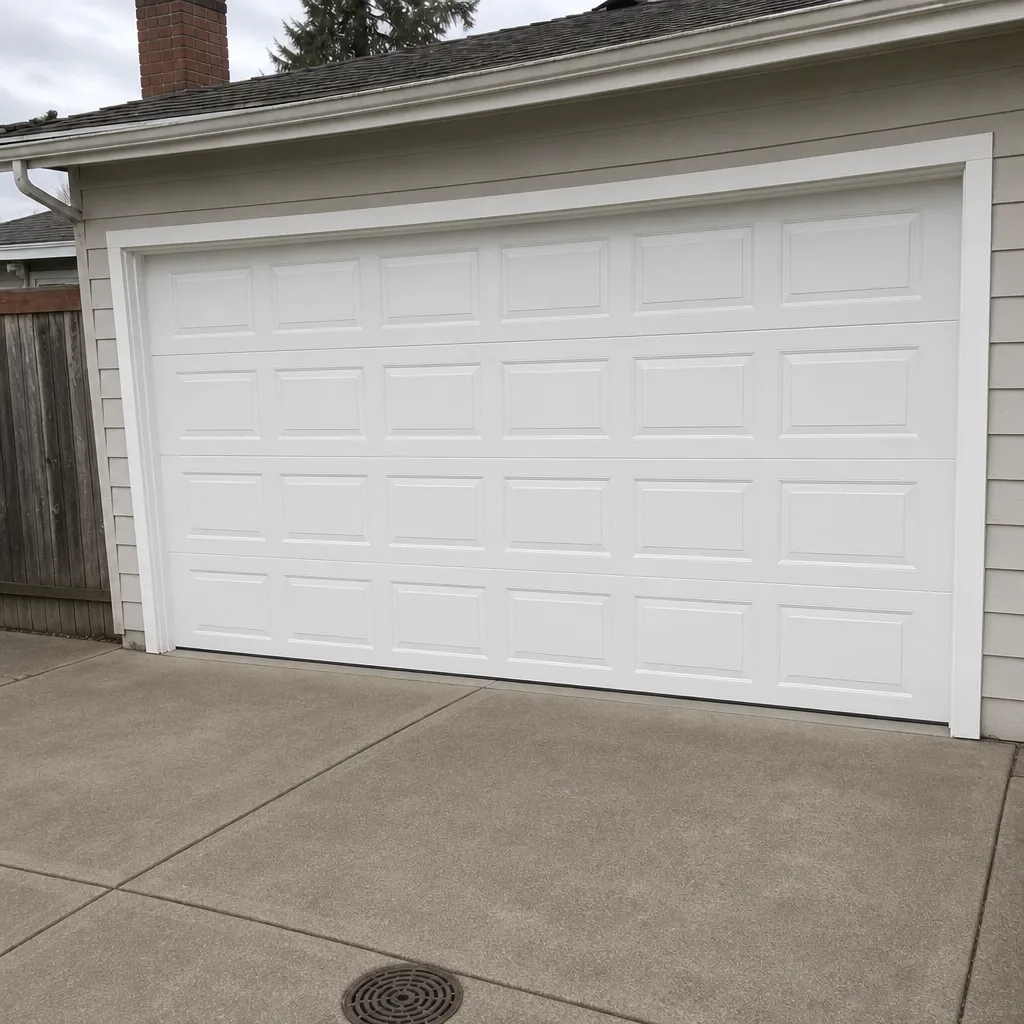
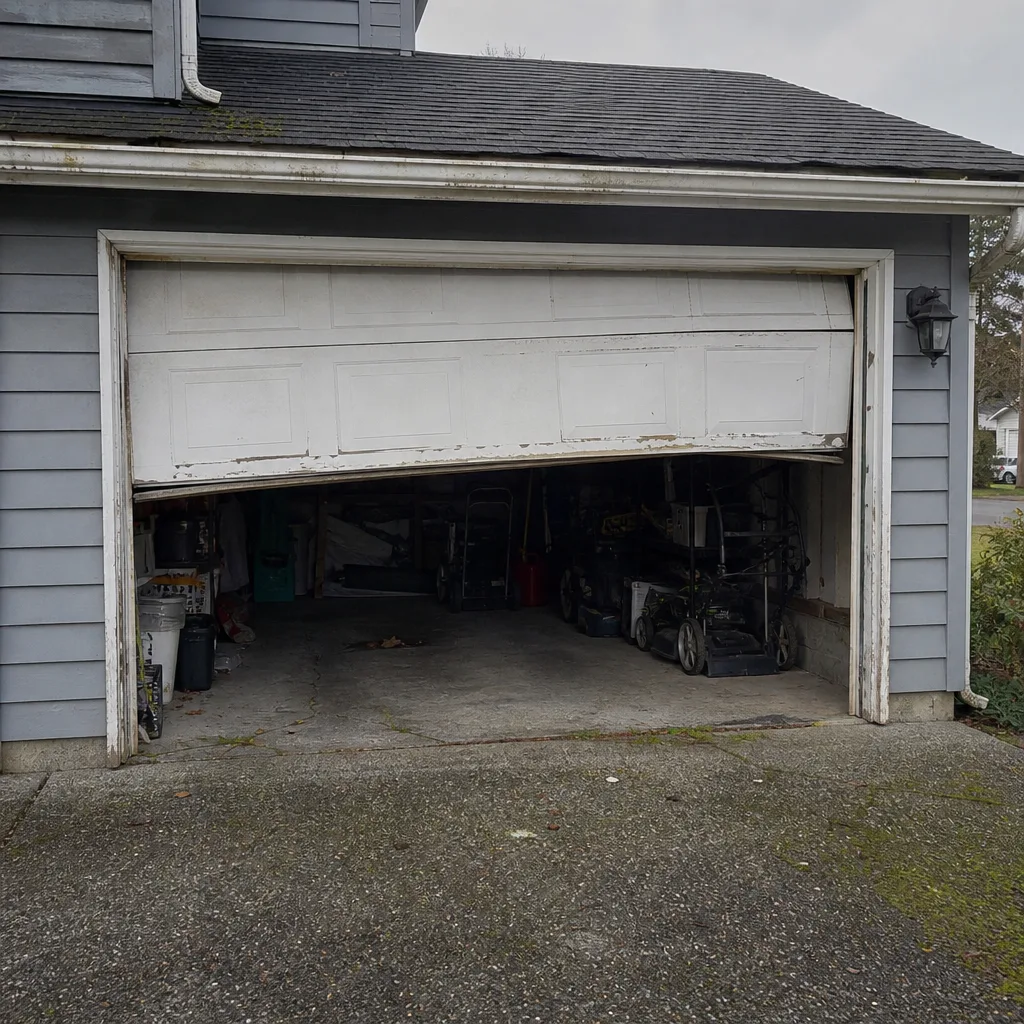
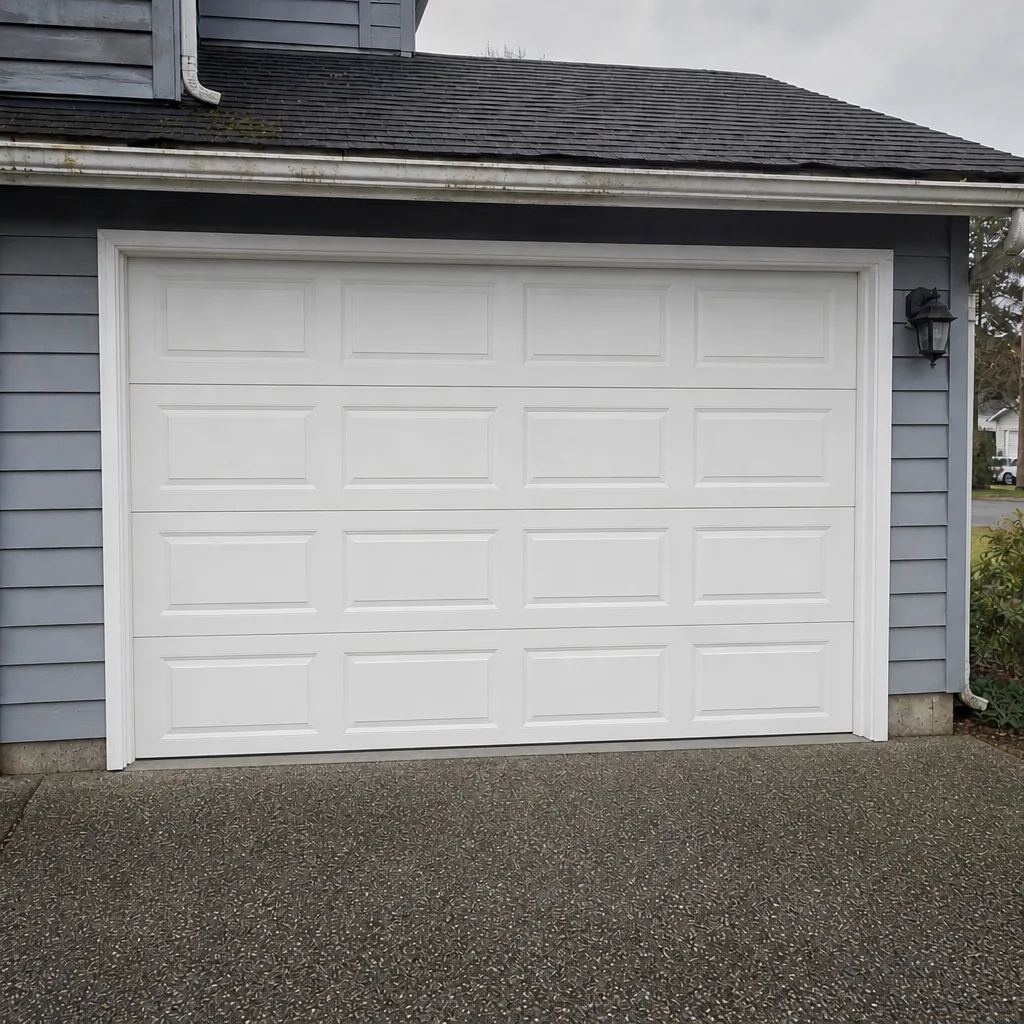
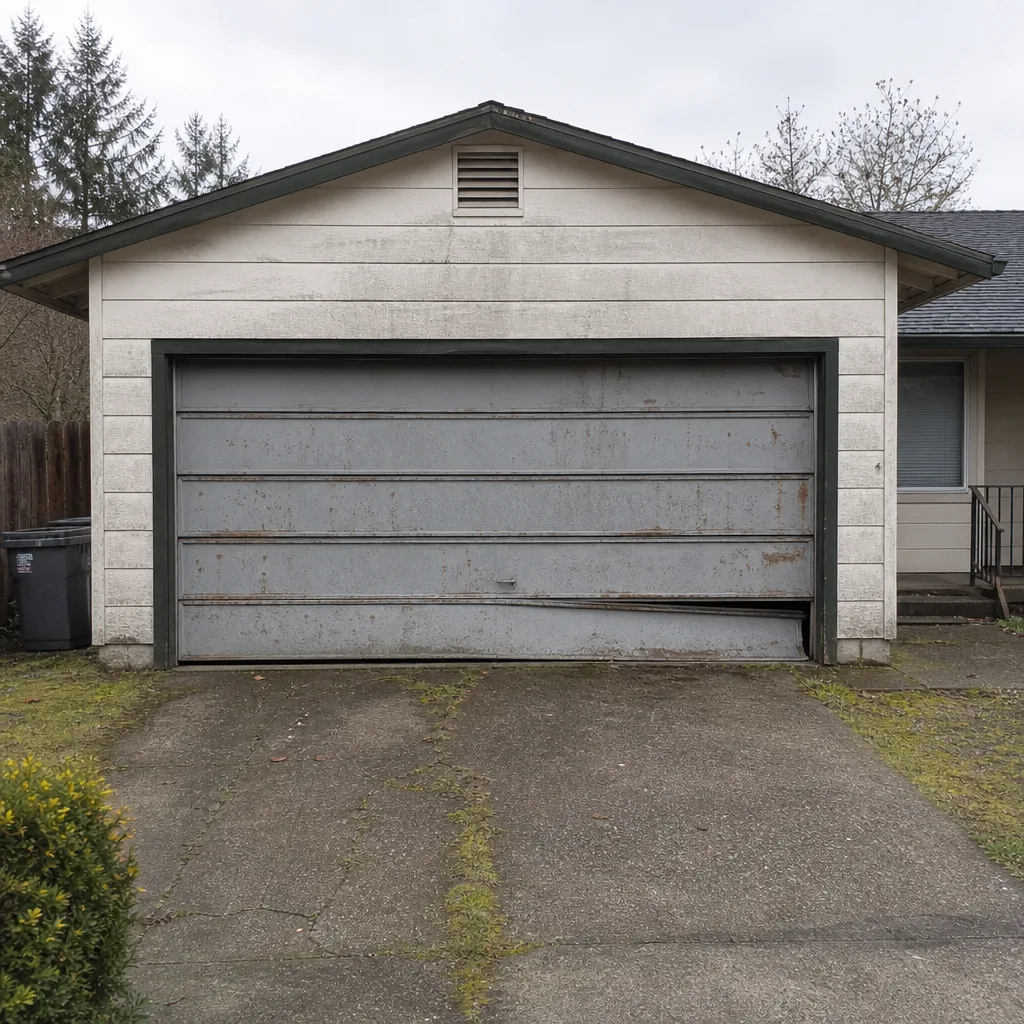
See the difference
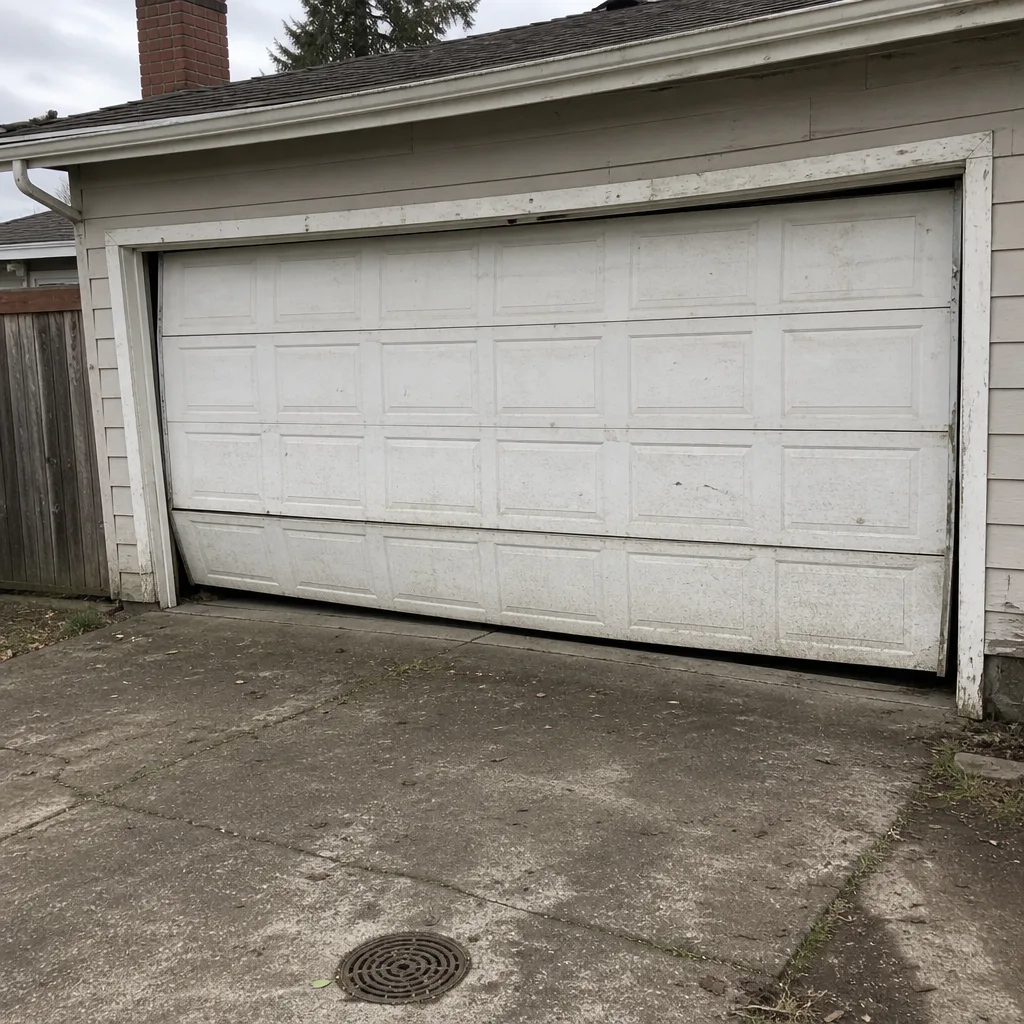 Before
 After
 Before
 After
 Before
 After