
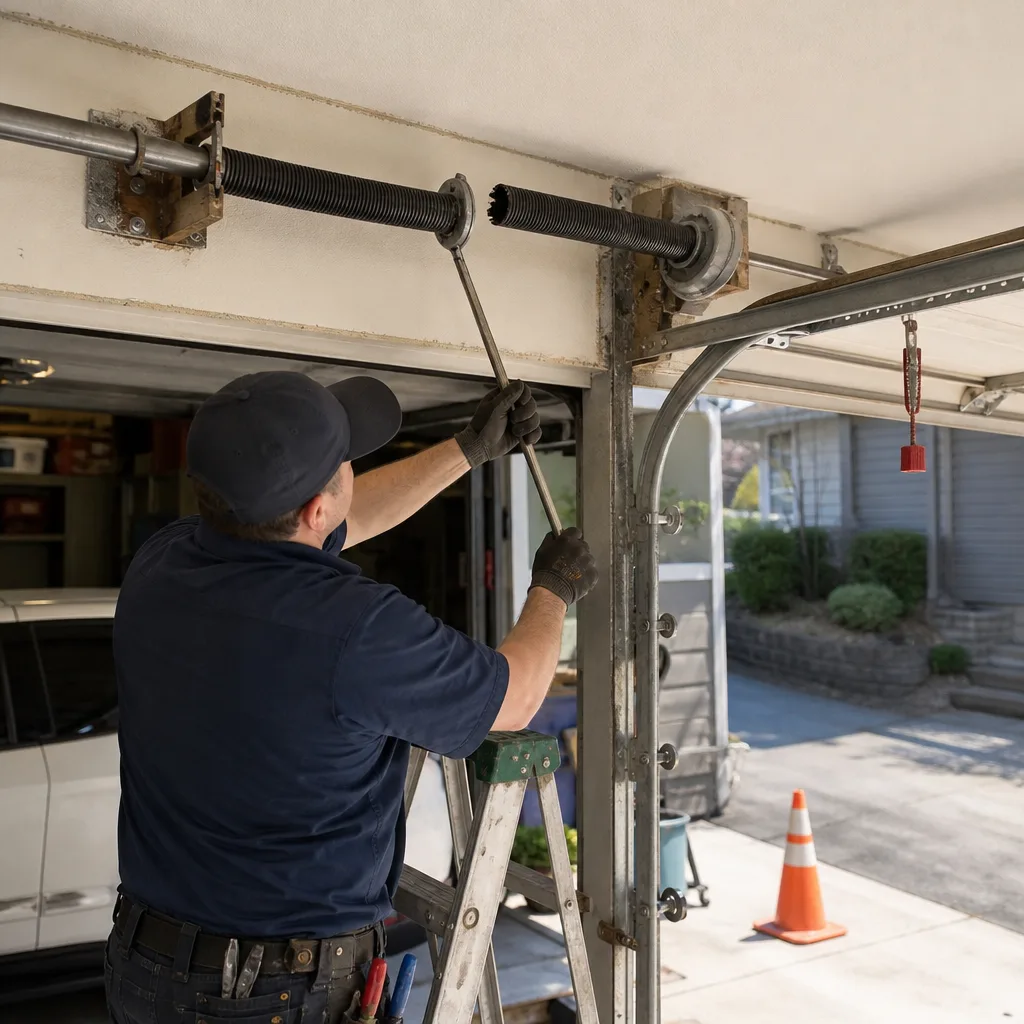
Last updated November 23, 2026
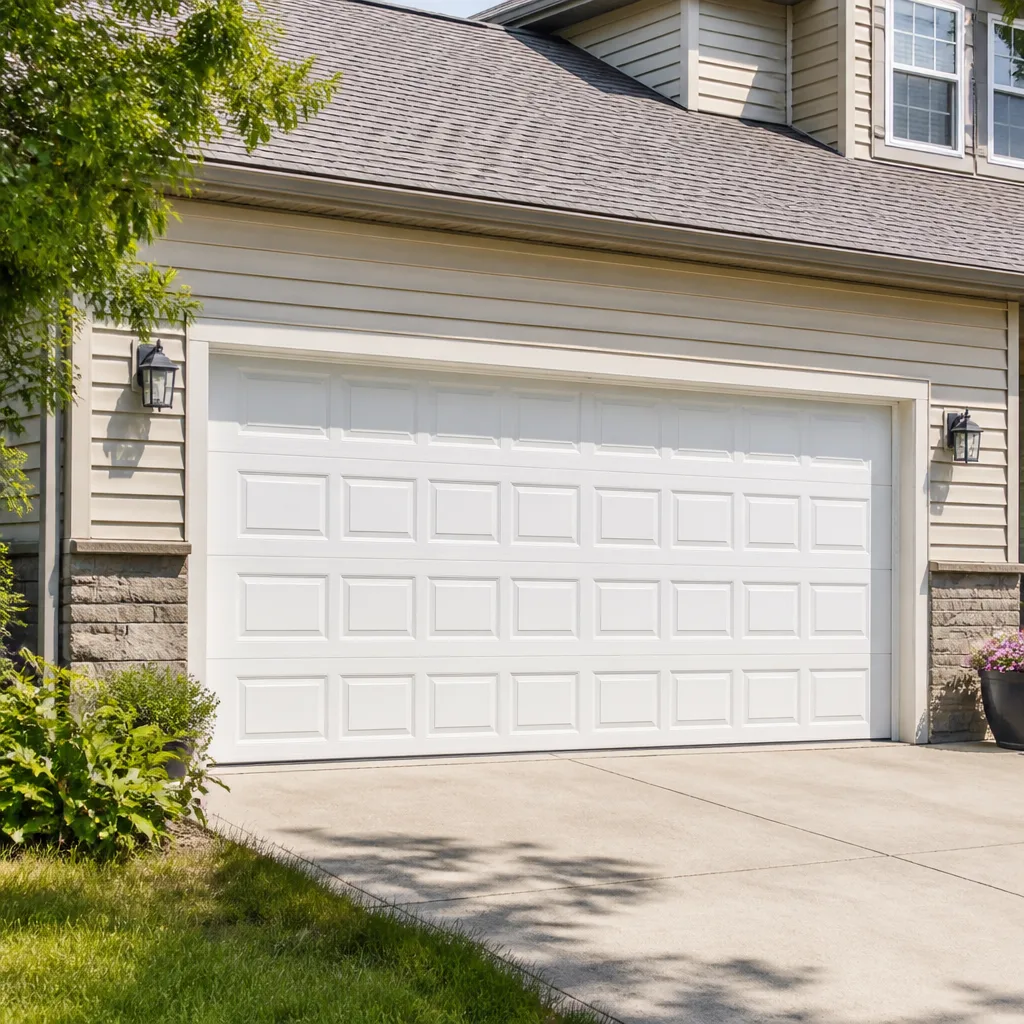 Raised-panel steel
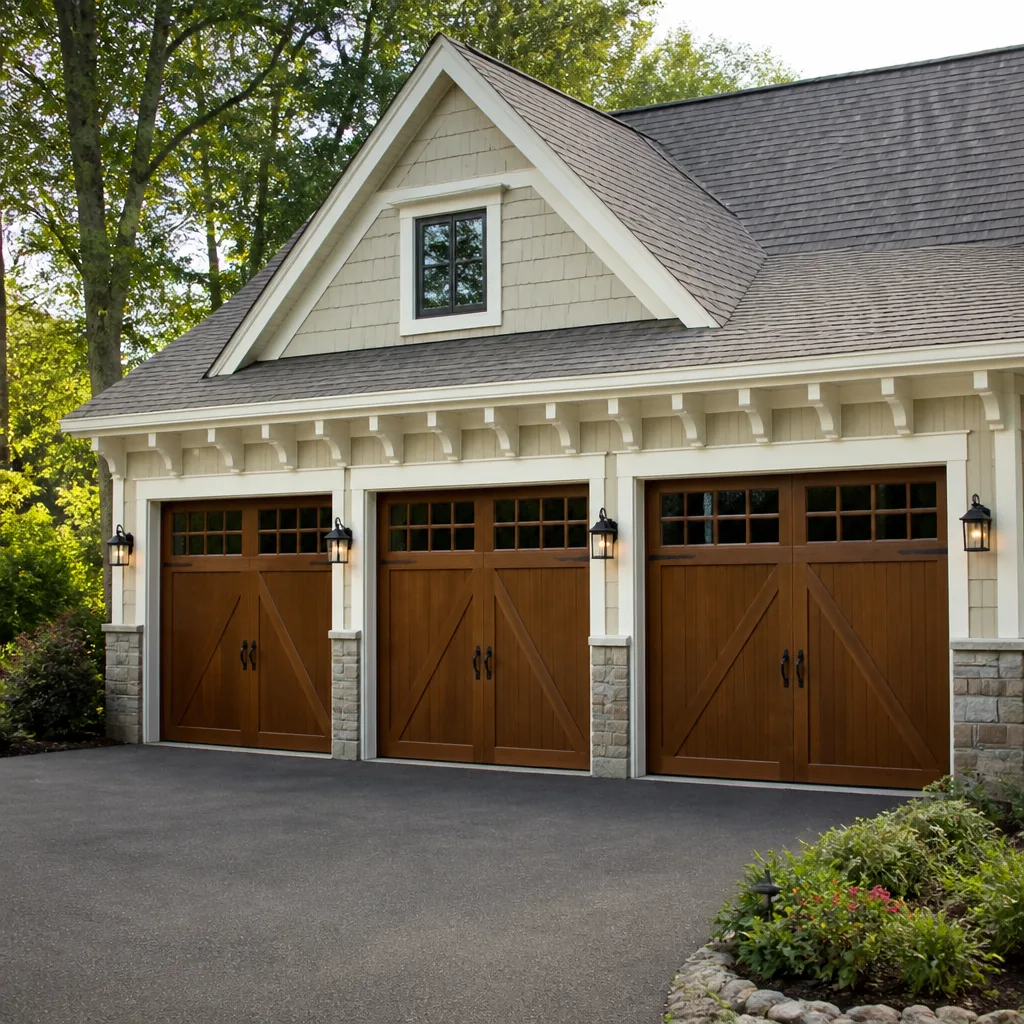 Carriage house
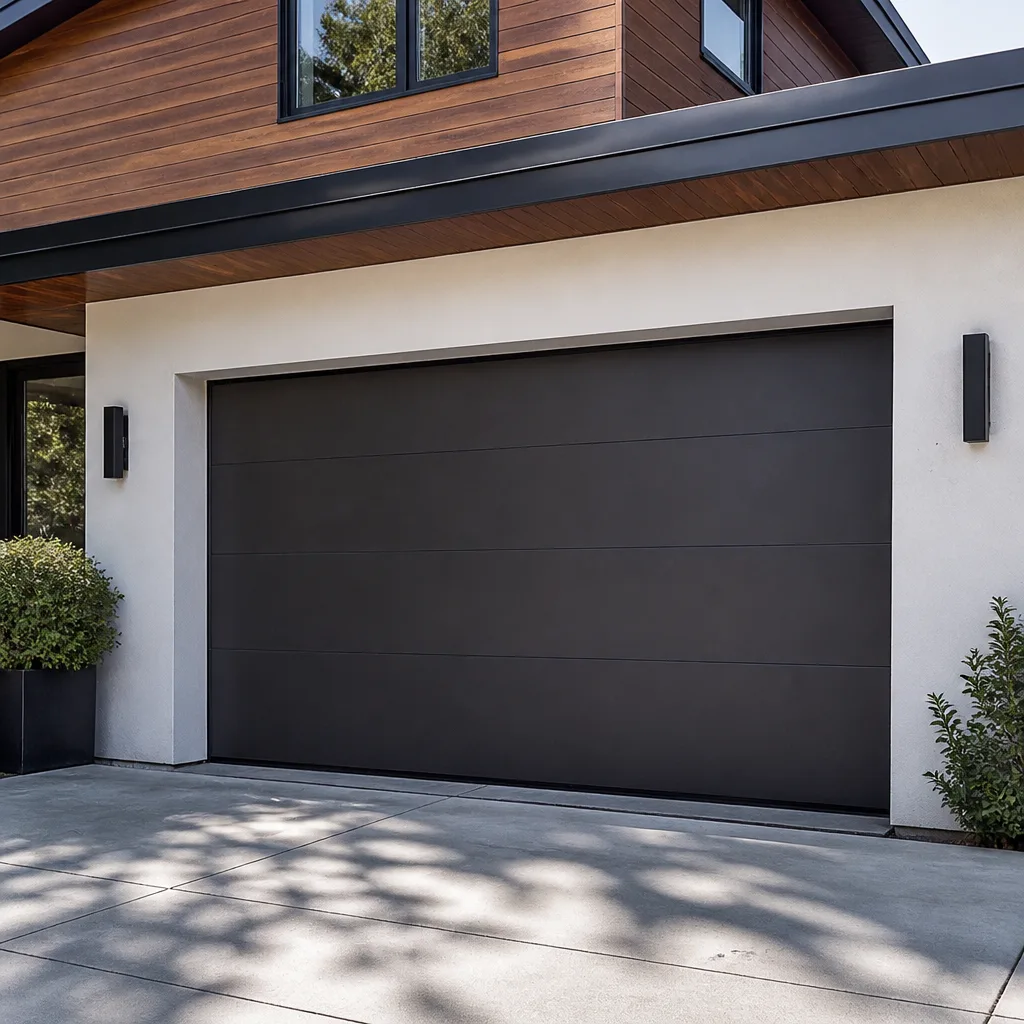 Modern flush
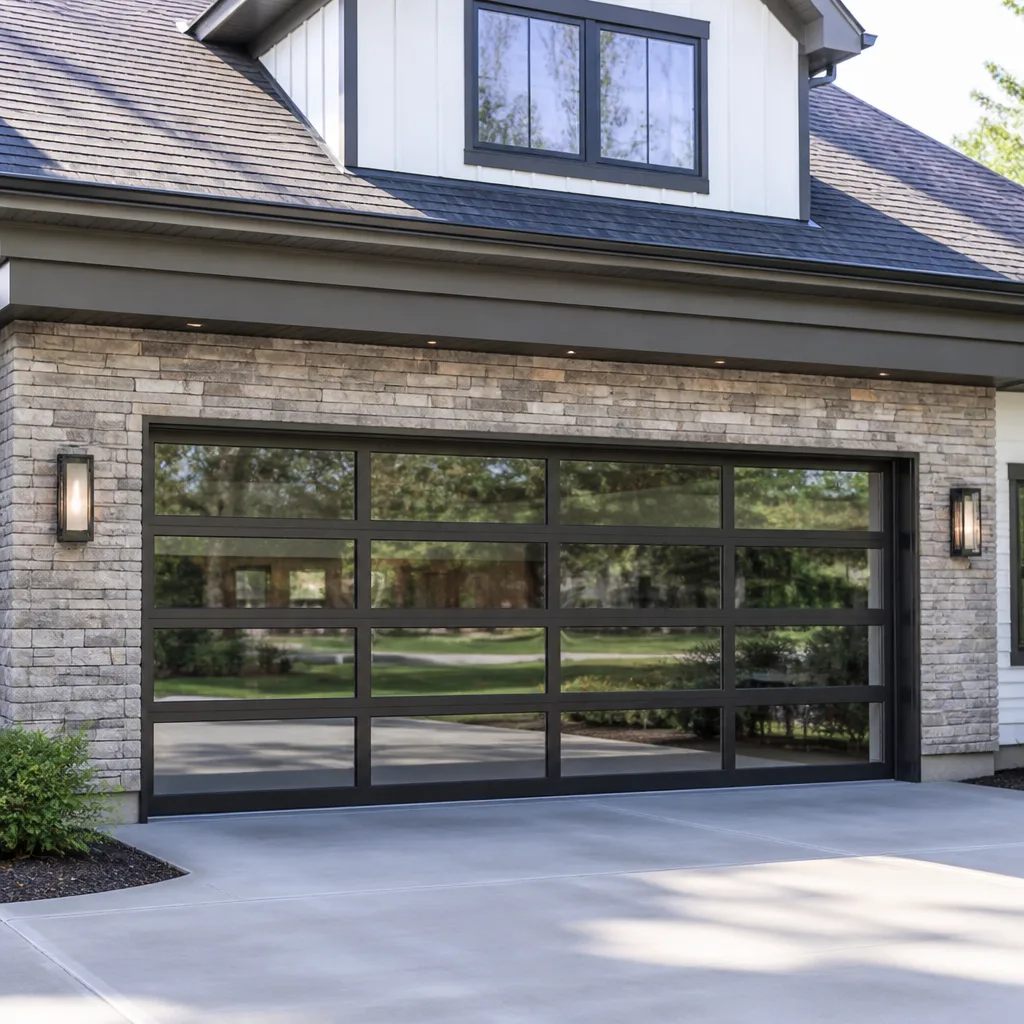 Full-view glass
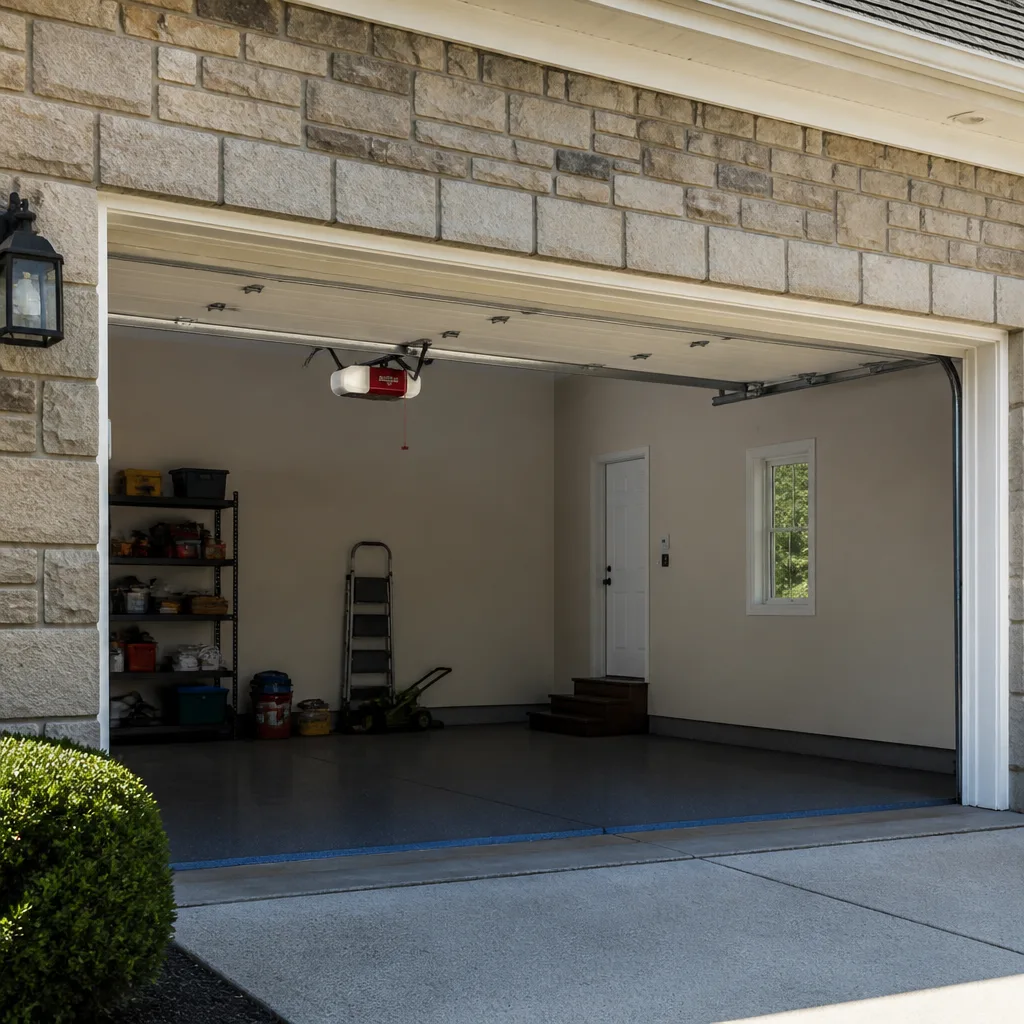 LiftMaster openers
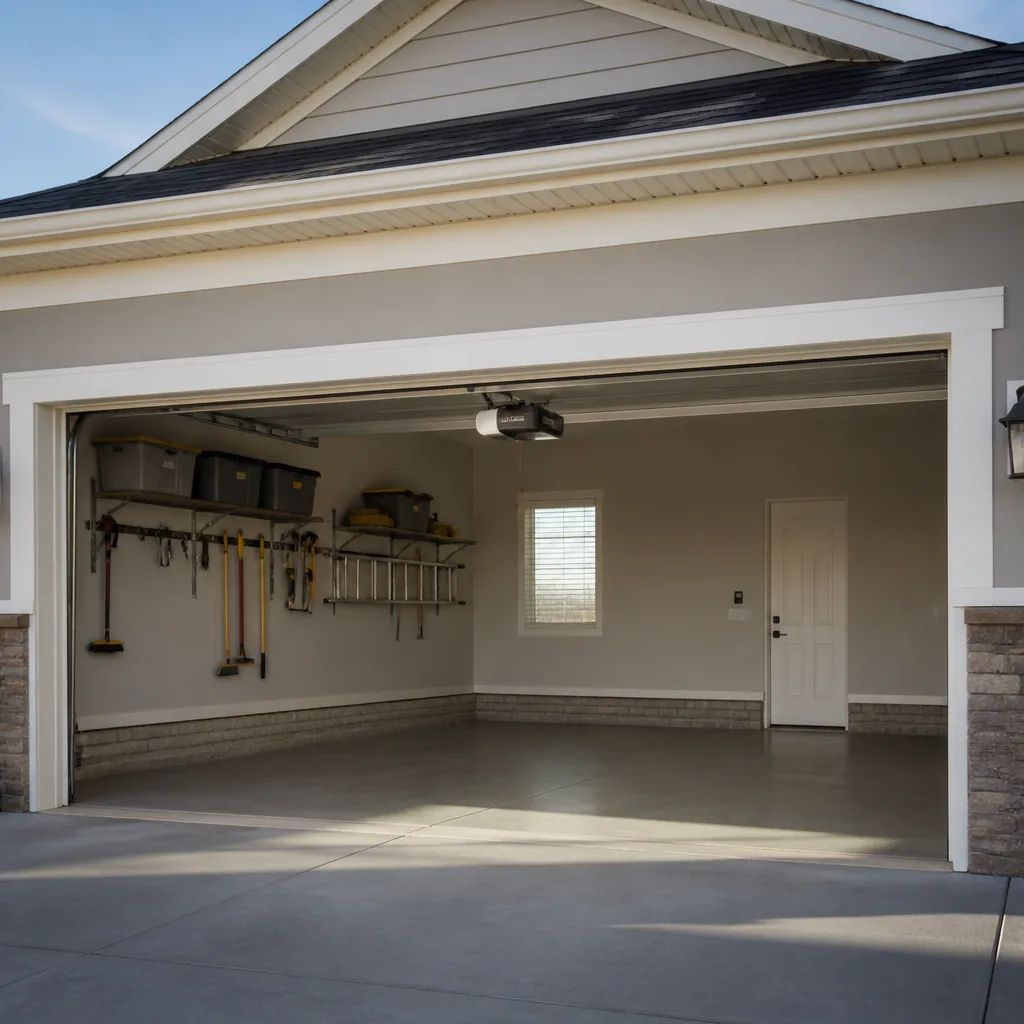 Chamberlain openers
Full 25-point door and opener safety check with every visit - springs, cables, rollers, tracks, and your LiftMaster or Chamberlain opener included
You get a price before we start. It does not change when the pro arrives.
Get your free estimateThe Complete Guide to Garage Doors in Federal Way
Most “complete guides” to garage doors are written for a ZIP code that doesn’t exist. They assume a dry climate, flat lots, and a house that never moves. Federal Way isn’t that place. This city gets rain on a good share of its days, sits on ground that shifts with the seasons, and holds a housing mix that runs from mid-century ramblers near Dash Point to newer builds around The Commons. Each of those variables changes how a door wears, what breaks first, and what a repair actually involves. This guide treats Federal Way as the variable, not an afterthought. You’ll learn how the local climate attacks specific hardware, which materials survive here, how neighborhoods differ, when a repair crosses into a permitted replacement, and which brands you’ll actually find on doors around the city.
Quick Answer
A garage door in Federal Way lasts longest when it’s matched to the local climate: wet winters that wear seals and cables, temperature swings that stress springs, and soil movement that throws doors out of alignment. Most problems come down to springs, cables, bottom seals, and opener logic boards, and most are fixable without replacing the door. A full replacement usually makes sense only when the panels or structure are beyond repair, and larger structural work may need a King County permit, so it’s worth checking with the city’s building department before you commit.
Styles & brands we work with
- Raised-panel steel
- Carriage house
- Modern flush
- Full-view glass
- LiftMaster openers
- Chamberlain openers
Table of Contents
- How Federal Way’s Climate Wears Out Garage Doors
- Which Door Materials Hold Up Best Here
- Neighborhood by Neighborhood: Lakeland, Dash Point, Steel Lake, and The Commons
- Brands and Styles You’ll See Across Federal Way
- Repair or Replace? How to Decide
- Permits and Code: When a Repair Becomes a Replacement
- A Seasonal Maintenance Routine for This Climate
- Safety: What You Should Never Touch Yourself
How Federal Way’s Climate Wears Out Garage Doors
Federal Way sits in a Pacific maritime climate, which means wet winters, mild but damp shoulder seasons, and enough rainy days in a year that moisture is a constant rather than an event. That single fact reshapes the wear pattern on a garage door. National guides talk about sun fading and heat. Here, the bigger enemies are water intrusion, condensation, and the freeze-thaw and wet-dry cycling that works hardware loose over time.
Four components take the brunt of it:
- Bottom seals and weatherstripping. The rubber or vinyl seal along the bottom of the door is the first line against water blowing in under the door. In a wet climate it hardens, cracks, and flattens faster. Once it fails, water reaches the floor and the door’s lower panels.
- Cables. Steel cables running along the sides of the door are under constant tension and exposed to damp air. Moisture plus the tiny flexing that happens every open and close cycle is what eventually fatigues them. A frayed cable is a serious safety issue, not a cosmetic one.
- Springs. Torsion and extension springs cycle through tension and release every time the door moves. Temperature swings widen and narrow the metal slightly, and that repeated expansion and contraction, combined with the sheer number of cycles, is what wears a spring to failure.
- Hinges, rollers, and tracks. Damp air and grit work into hinges and rollers, and tracks accumulate debris. Left alone, a door starts to bind, the opener works harder, and the whole system ages faster.
The practical takeaway: in Federal Way, preventive attention to seals, cables, and lubrication buys more door life than almost anything else. A door that would last a decade in a dry climate may need its bottom seal replaced sooner here. We see this pattern repeatedly, and it’s why our garage door repair work so often starts with the low-profile items that quietly fail first.
Which Door Materials Hold Up Best Here
Material choice matters more in a wet climate than in a dry one. The right door resists moisture, holds its finish, and doesn’t warp when humidity climbs. The wrong one saves money up front and costs more in upkeep. Here’s how the common options perform around Federal Way.
Steel
Steel is the most common door material in the region for good reason. It’s strong, it holds paint well, and a properly finished steel door handles damp air fine as long as its coating stays intact. The catch is that any scratch or chip exposes bare metal, and bare metal plus moisture equals rust. Steel doors here need their finish checked periodically, especially along the bottom edge where water sits. Insulated steel is a strong all-around pick for most Federal Way homes.
Aluminum
Aluminum won’t rust the way steel can, which makes it attractive in a wet climate. It’s lighter, so it’s easier on the opener and springs. The tradeoff is that it dents more easily and offers less insulation. For a lighter-use door or a modern look, aluminum works well; for a busy family door, steel usually holds up better to impacts.
Wood and wood-composite
Wood looks great and suits the older housing stock in parts of the city, but it’s the highest-maintenance choice in a wet climate. Wood absorbs moisture, which leads to swelling, warping, and eventual rot if the finish lapses. A wood door here needs regular sealing and painting. If you love the wood look but want less upkeep, a composite or steel door with a wood-grain finish gives you the appearance without the moisture sensitivity.
Fiberglass and vinyl
These resist moisture and rot well and won’t rust. They’re a reasonable fit for a damp climate, though they can be less rigid and may not suit every style of home. For a low-maintenance door on a smaller opening, they’re worth considering.
Insulation matters too
Beyond the skin material, insulation affects how the door feels and performs. An insulated door is quieter, stiffer, and better at holding temperature. In a climate with cool, damp winters, an insulated door makes the garage a more usable space and reduces condensation on the inside of the door, which is itself a moisture source.
Neighborhood by Neighborhood: Lakeland, Dash Point, Steel Lake, and The Commons
Federal Way isn’t one kind of housing. The door problems in an older Lakeland rambler aren’t the same as those in a newer build near The Commons, and a guide that ignores that is only half useful. Here’s how the city’s neighborhoods differ in what they need.
Lakeland and older established neighborhoods
Homes in older parts of Lakeland and similar established areas often have original or second-generation doors and openers. That means you’re more likely to run into older opener models, worn springs that have cycled for years, and doors whose tracks have settled along with the house. Parts for older openers can be harder to source, and a technician who knows the older brands makes the difference between a repair and an unnecessary replacement. Older garage floors also tend to show more settling, which throws the door’s alignment off and stresses the opener.
Dash Point
Dash Point’s homes sit close to the water and among mature trees. Trees mean debris, sap, and shade that keeps surfaces damp longer, so bottom seals and hinges there need more frequent attention. Damp, shaded conditions are where seal failures and fastener corrosion show up first.
Steel Lake
The Steel Lake area mixes older and newer homes, so it’s a genuine blend. You’ll find standard steel doors alongside newer insulated models. The common thread is the seasonal moisture cycle, which means spring and cable inspection matters across the board.
The Commons and newer builds
Newer construction near The Commons usually comes with insulated steel doors and modern openers, often LiftMaster or Chamberlain units with smart features. These doors tend to be in good shape structurally, but newer isn’t maintenance-free. Modern openers have logic boards and sensors that can fault, and the tighter construction of newer garages can trap moisture. Newer doors here mostly need opener diagnostics and seal upkeep rather than major structural repair.
Brands and Styles You’ll See Across Federal Way
One of the biggest frustrations homeowners hit is calling someone who only works on one brand. If your door or opener isn’t that brand, you’re told to find someone else. That’s a problem in a city with the brand variety Federal Way has. We work on the brand you already have, and our technicians are trained across eight major manufacturers: LiftMaster, Chamberlain, Genie, Clopay, Amarr, Wayne Dalton, Craftsman, and Raynor. That breadth matters here.
On the opener side, LiftMaster and Chamberlain are the most common units we encounter, and older Craftsman openers are still running in plenty of garages. When a modern opener’s logic board faults, brand-specific knowledge shortens the diagnosis. That’s the core of our garage door opener repair work: knowing the model before you touch it.
On the door side, steel doors from Clopay and Amarr are common in newer builds, while Wayne Dalton and Raynor doors show up across a range of homes. If your door needs a panel or a section, brand familiarity means the part is more likely to match and arrive without a long wait. Styles here lean toward traditional raised-panel and carriage-house looks for older neighborhoods, and cleaner modern flush or full-view designs for newer construction near The Commons. Whatever the brand or style, matching the part to the door is what keeps a repair looking like it never happened.
Repair or Replace? How to Decide
This is the question that decides the budget, and the honest answer depends on the door, not on a sales quota. A door that looks tired is often a repair. A door that’s structurally failing is a replacement. Here’s a practical way to sort it out.
- Check the springs and cables first. If the door won’t lift or drops hard, the problem is usually the spring or cable system, not the door itself. That’s a repair, and one of the more common ones we handle. Our garage door spring repair replaces the failed component and restores normal operation without touching the panels.
- Look at the panels. A single dented or damaged panel can often be replaced on its own. Widespread rust, multiple failing panels, or a bent track that won’t straighten points toward a full door.
- Assess the structure. If the door is sagging, the sections are separating, or the tracks are bent beyond adjustment, the door is past a simple fix.
- Weigh opener age against door condition. A failing opener on a sound door is an opener replacement, not a door replacement. A sound opener on a failing door is a door replacement.
- Consider the moisture damage. In a wet climate, a wood door with rot in the lower panels is usually beyond economical repair. A steel door with surface rust on one panel often isn’t.
When the answer is a new door, the job becomes one of measurement, ordering, and scheduling rather than a same-day fix. That’s the point where a repair reveals a door that needs replacing, and it’s good not to have to find a second company. Full installs are part of the same service arc, so one call covers it, from the Federal Way Garage Door Repair Co diagnosis through the installation.
Permits and Code: When a Repair Becomes a Replacement
Most repairs don’t need a permit. Replacing a spring, a cable, a bottom seal, or a single panel is maintenance and repair, and it stays on the repair side of the line. Where homeowners get surprised is when a job grows from a repair into something structural, and that’s when the rules change.
A like-for-like door replacement, where you’re swapping one door for another of similar size and type in the same opening, is often handled as a straightforward replacement. But once the work touches the structure of the opening, the framing, the header, or the size of the opening itself, you’ve moved into territory that generally requires a permit. Enlarging an opening, changing the structural support, or altering the wall around the door is the kind of work that falls under permit review.
We won’t pretend to hand you a code section, because the specifics depend on your property and the current rules. The reliable move is to call the city’s building department and describe exactly what’s planned. Ask whether your project needs a permit and what inspection it requires. Get the answer before work starts, not after. A reputable installer will tell you the same thing and will plan the job around the answer. If a contractor waves off the question entirely, that’s a reason to slow down.
A Seasonal Maintenance Routine for This Climate
A little routine attention goes further here than in a drier climate, because moisture does the slow damage. You don’t need special tools to handle most of it. Here’s a simple routine built around Federal Way’s wet winters and damp shoulder seasons.
- Inspect the bottom seal every season. Run your hand along the bottom edge and look for cracks, hardening, or gaps. A worn seal lets water in and is one of the cheapest things to replace before it causes bigger problems.
- Look at the cables for fraying. Check the cables along each side for broken strands or rust. If you see fraying, stop using the door and call a professional; a snapping cable is dangerous.
- Lubricate hinges, rollers, and springs. A proper garage door lubricant on the moving metal parts reduces wear and quiets the door. Do this a few times a year, more often in the wet season.
- Clear debris from tracks. Dirt and grit in the tracks cause binding. Wipe them clean and check that the door rolls smoothly.
- Test the balance. With the door disconnected from the opener, lift it halfway. A balanced door stays put. One that drops or rises on its own needs a spring adjustment by a technician.
- Check the opener’s safety reverse. Place a small object in the door’s path and confirm the door reverses on contact. This is a safety check, not an adjustment to skip.
- Before winter, check the finish. On steel doors, touch up any scratches or chips so bare metal doesn’t sit through the wet months.
If any of these checks turn up something you’re not sure about, that’s the moment to get eyes on it. Fast diagnosis now prevents a lasting problem later.
Safety: What You Should Never Touch Yourself
Garage doors are one of the most dangerous systems in a home, and the reason is stored energy. Torsion springs hold enormous tension, and a door’s cables and springs can release that energy suddenly. This is not a system to experiment with. The most commonly botched repair in the trade is also the most dangerous: spring work.
Leave springs and cables to trained technicians. A torsion spring under tension can cause serious injury if it’s adjusted or removed without the right tools and knowledge, and a cable that snaps under load is just as unforgiving. If your door won’t lift, drops hard, or makes a loud bang, don’t try to force it or prop it up. Keep people clear, leave the door where it is, and get a professional out. This is exactly the kind of call our emergency service exists for. When your door won’t move, we will.
The same caution applies to opener wiring and any electrical work at the opener or wall controls. If a modern opener’s board faults, the fix belongs to someone who knows the unit. Don’t open the housing and poke around. Call us and we’ll diagnose it safely. Our technicians have up to 9 years of experience, and spring and cable work is the part of the job where that training matters most.
Common Mistakes to Avoid
- Forcing a stuck door. When a door won’t open, people sometimes try to muscle it up. That puts strain on a failing spring or cable and can turn a repair into a dangerous failure. Stop and call instead.
- Ignoring a worn bottom seal through the wet season. In Federal Way’s rainy climate, a cracked seal lets water pool under the door and reach the lower panels. Replacing the seal early is far cheaper than repairing moisture damage later.
- Assuming a tired door needs replacing. A door that looks old is often just in need of a spring, cable, or opener repair. Diagnose the actual failure before pricing a new door.
- Calling a generalist for brand-specific work. A handyman without brand knowledge can misdiagnose a modern opener or order the wrong panel. Choose someone trained across the major brands.
- Skipping the permit question on structural changes. If a replacement touches the opening’s structure, call the city’s building department before work begins. Assuming it’s fine is how homeowners get surprised.
- Choosing a door material for looks alone. A wood door that suits the style but can’t handle damp air becomes a maintenance burden. Match the material to the climate, not just the curb appeal.
- Lubricating with the wrong product. Household spray lubes can attract grit and gum up hinges and rollers. Use a proper garage door lubricant and apply it to the right parts.
See the difference
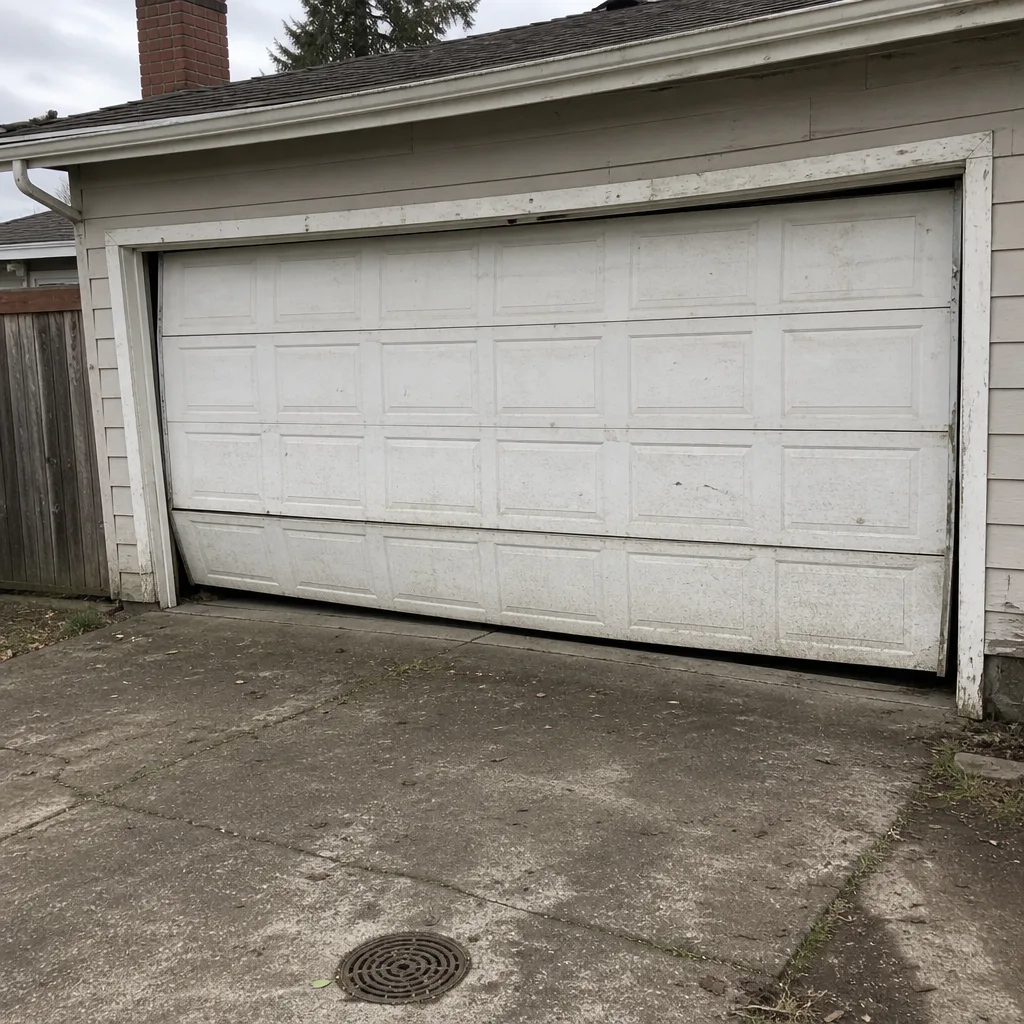 Before
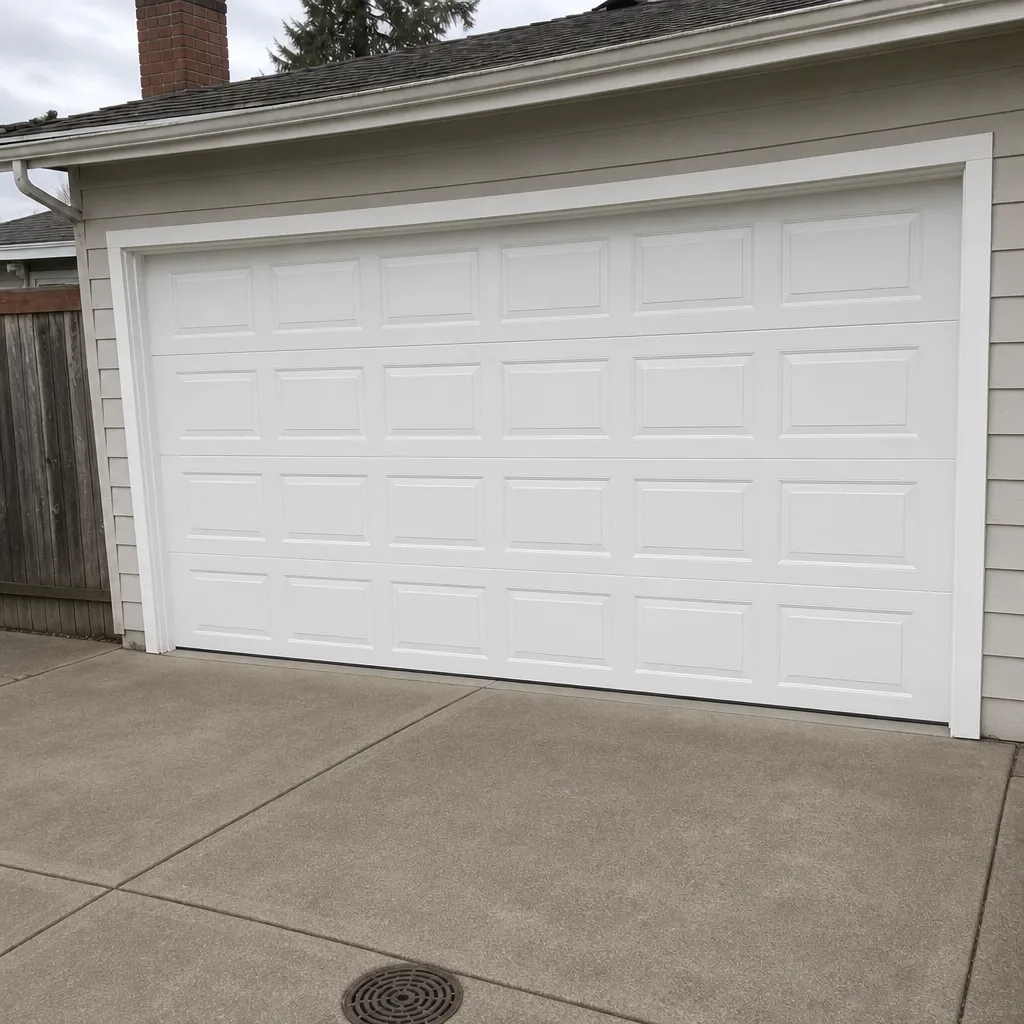 After
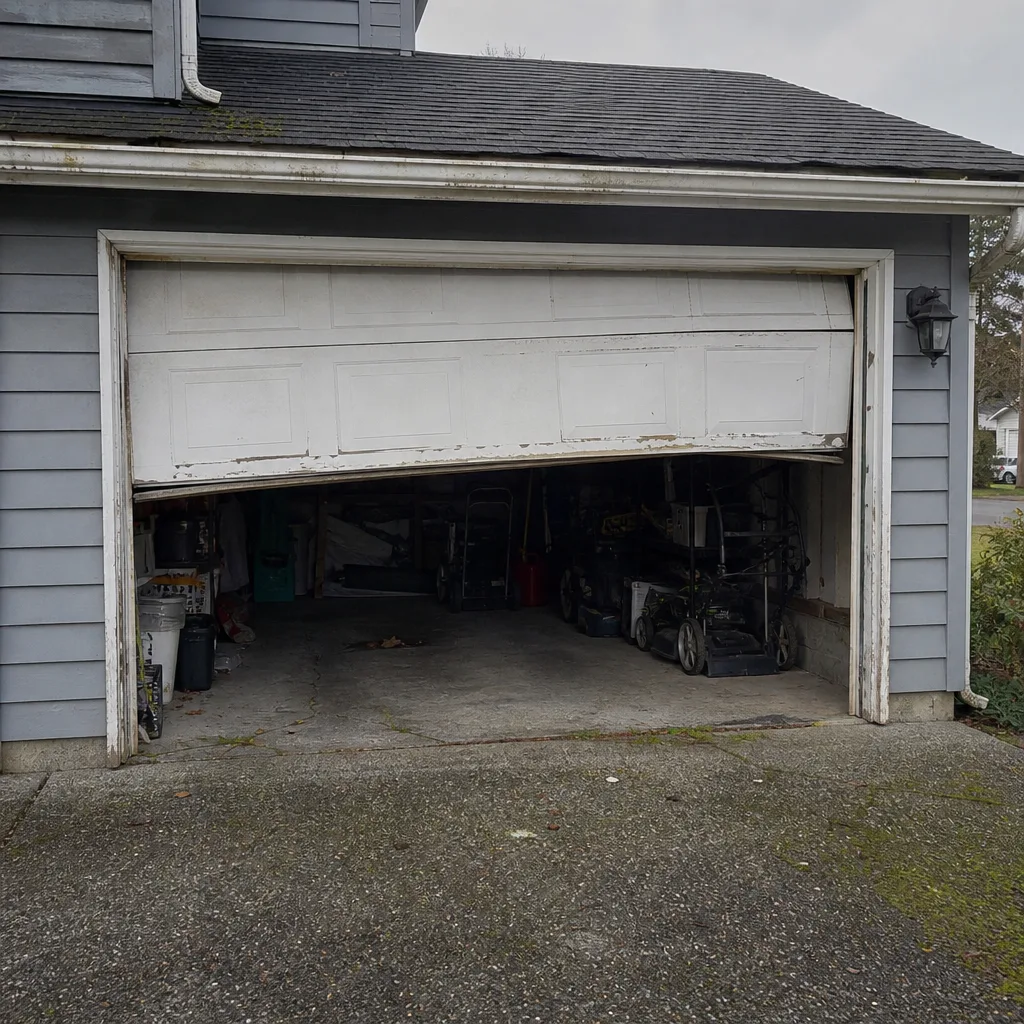 Before
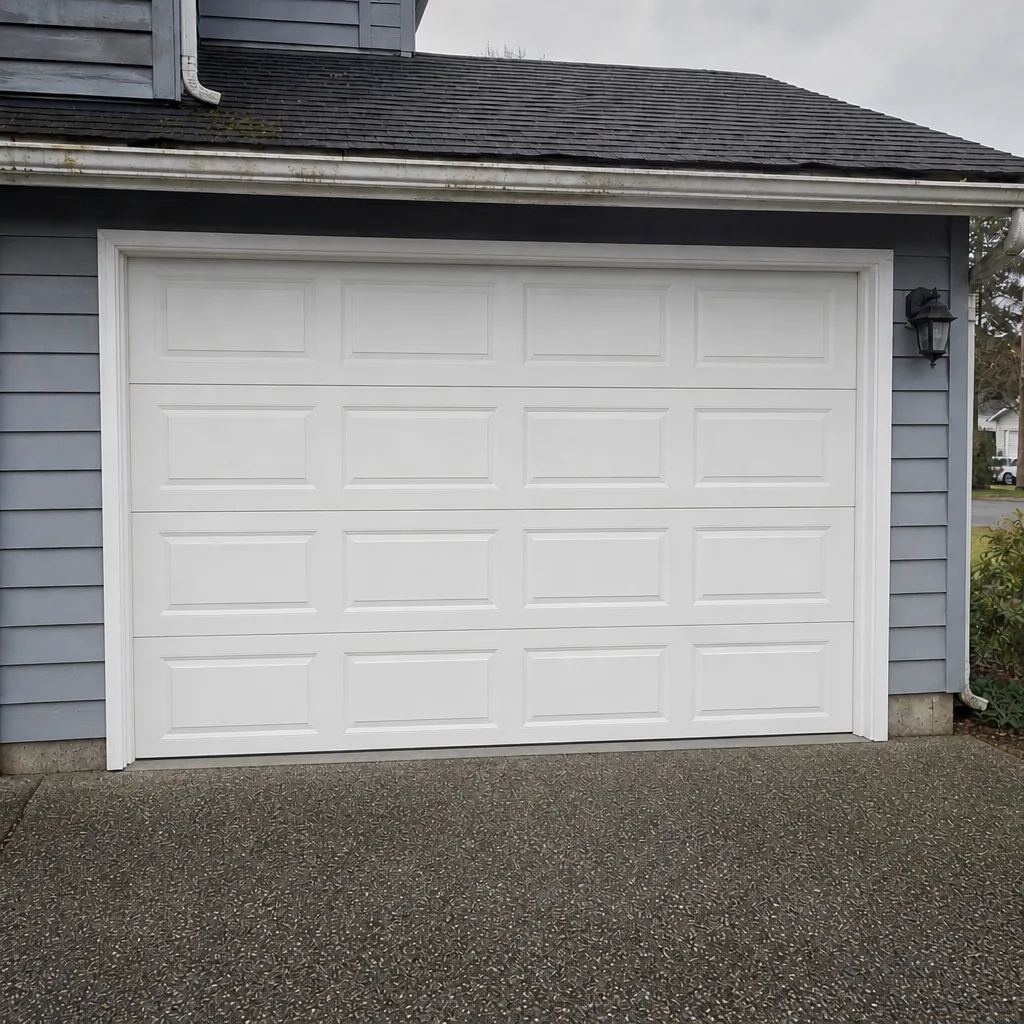 After
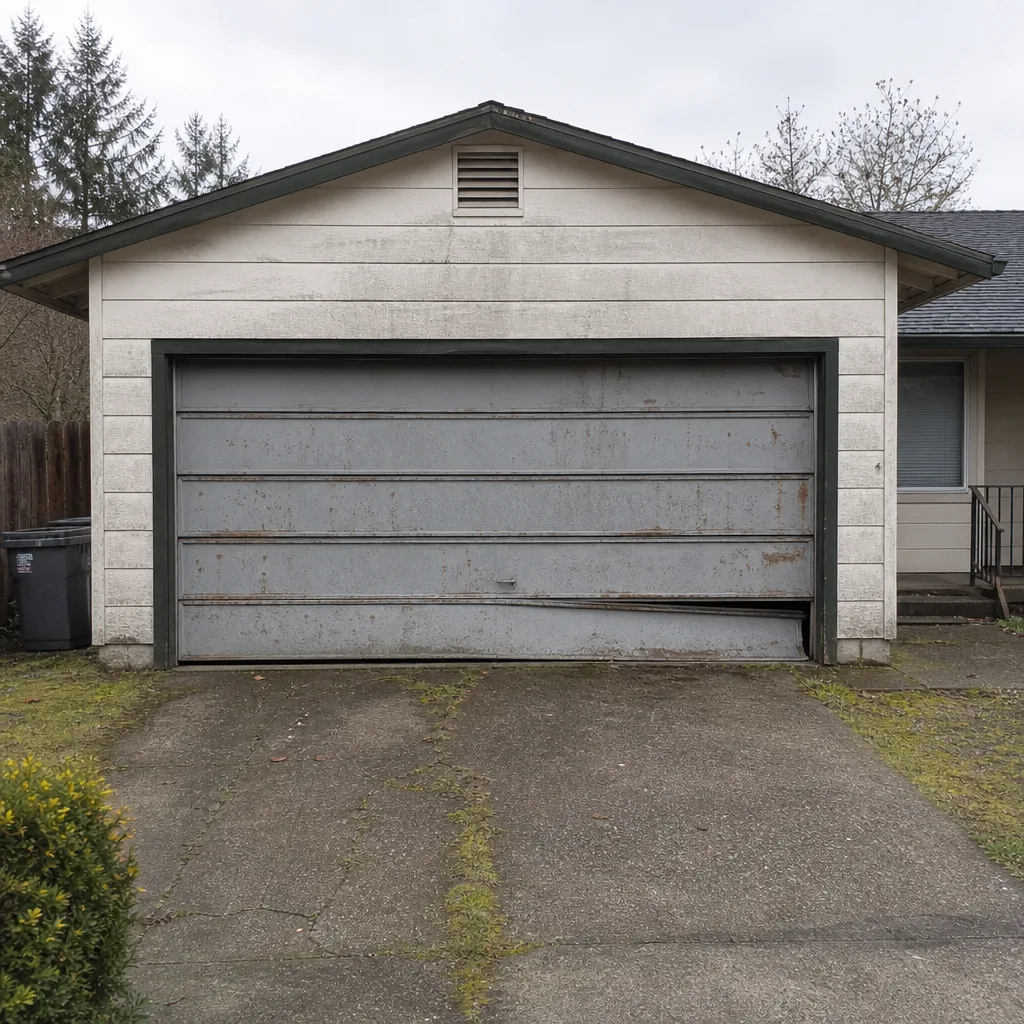 Before
 After
When to Call a Professional
Some issues are fine to handle yourself; others shouldn’t wait. Call a professional when a door won’t open or close, when you see a frayed cable or a spring that’s visibly broken, when the door drops hard or won’t stay up, or when the opener runs but the door doesn’t move. Those are signs that the system has failed in a way that’s unsafe to test further. Any structural damage, a track that’s bent, or a door that’s come off its track also needs a trained eye. And if you’re weighing a replacement, a professional measure and a written price will save you from guessing at materials and fit. Federal Way Garage Door Repair Co offers free estimates in Federal Way: call (855) 337-0888. We answer 24/7. Fast dispatch from 7am to 7pm, Sunday through Friday.
Frequently Asked Questions
A well-maintained garage door typically lasts well over a decade here, but the wet climate means the seal, cables, and springs often need attention before the door itself wears out. The door’s lifespan depends more on upkeep than on the door’s age. Keeping the bottom seal fresh, lubricating the moving parts, and inspecting springs and cables regularly is what stretches the life of a door in Federal Way. When components do fail, repairing them early protects the whole system. Call (855) 337-0888 for an exact quote; estimates are free.
No. The price is quoted and agreed before any work starts, and the written estimate sets the final price. That’s the whole point of a written estimate: you know what you’re paying before anyone touches the door. What we find during diagnosis may change what repair is needed, but the estimate for that repair is agreed with you up front. If the scope needs to change, we talk it through first. Call (855) 337-0888 for a free estimate.
It depends on the scope. A like-for-like replacement is often straightforward, but any work that touches the structure of the opening, the framing, or the size of the opening generally falls under permit review. The safe move is to call the city’s building department and describe exactly what’s planned. Ask whether your project needs a permit and what inspection it requires. Call (855) 337-0888 to talk through the scope of a replacement.
We work on the brand you already have across eight major manufacturers: LiftMaster, Chamberlain, Genie, Clopay, Amarr, Wayne Dalton, Craftsman, and Raynor. That breadth means you don’t have to hunt for the one company that handles your opener or door. Brand-specific knowledge shortens diagnosis and helps order the right parts. Call (855) 337-0888 and we’ll confirm the work for your model.
Yes. The local pro who performs the work is licensed and insured as their state requires, and everyone on the job is focused exclusively on garage doors rather than general handyman work. That single-trade focus is what makes a specialist different from a generalist. Our technicians have up to 9 years of experience. To learn more, read our garage door repair page or call (855) 337-0888 for a free estimate.
Yes. A door that won’t close leaves the garage open, and that’s a genuine security concern, not just an inconvenience; that’s why emergency service is a named part of what we do. We answer 24/7. A call outside dispatch hours is booked into the next opening, Sunday through Friday, 7am to 7pm. Call (855) 337-0888 and we’ll get a trained technician out to diagnose the problem and make the fix.
The Bottom Line
Federal Way asks different things of a garage door than a dry, flat place does. The wet winters wear seals, cables, and springs faster, which makes routine attention to those parts worth more than any single big repair. Material choice should follow the climate: steel with a cared-for finish for most homes, wood only if you’ll maintain it, aluminum or composites where the tradeoffs suit you. Neighborhood context matters too, from the older doors of Lakeland to the modern openers near The Commons. When a repair grows into a structural replacement, call the city’s building department before work starts. And when a spring or cable fails, leave it to a specialist. Garage doors are all we do.
Written by the team at Federal Way Garage Door Repair Co.
Get a Free Estimate in Federal Way
Whether you’re facing a broken spring, a door that won’t close, an opener that’s faulted, or a door that needs replacing, we can help you sort out what’s actually wrong and what the right fix is. We work on every major brand, we handle the full range from emergency repair through full installation, and we’ll quote your job and agree the price with you before any work starts. Call (855) 337-0888 for a free estimate. We answer 24/7. Fast dispatch from 7am to 7pm, Sunday through Friday.
Written by the team at Federal Way Garage Door Repair Co.