
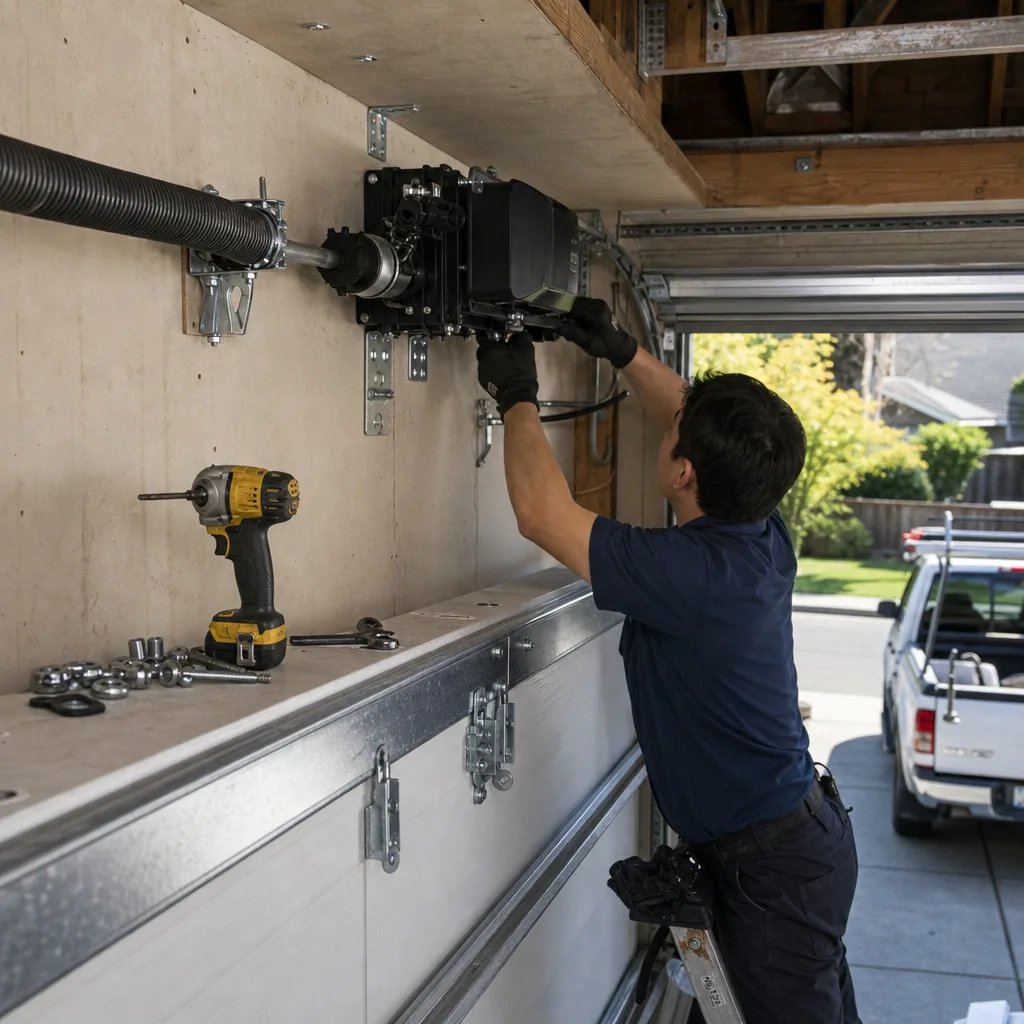
Last updated November 23, 2026
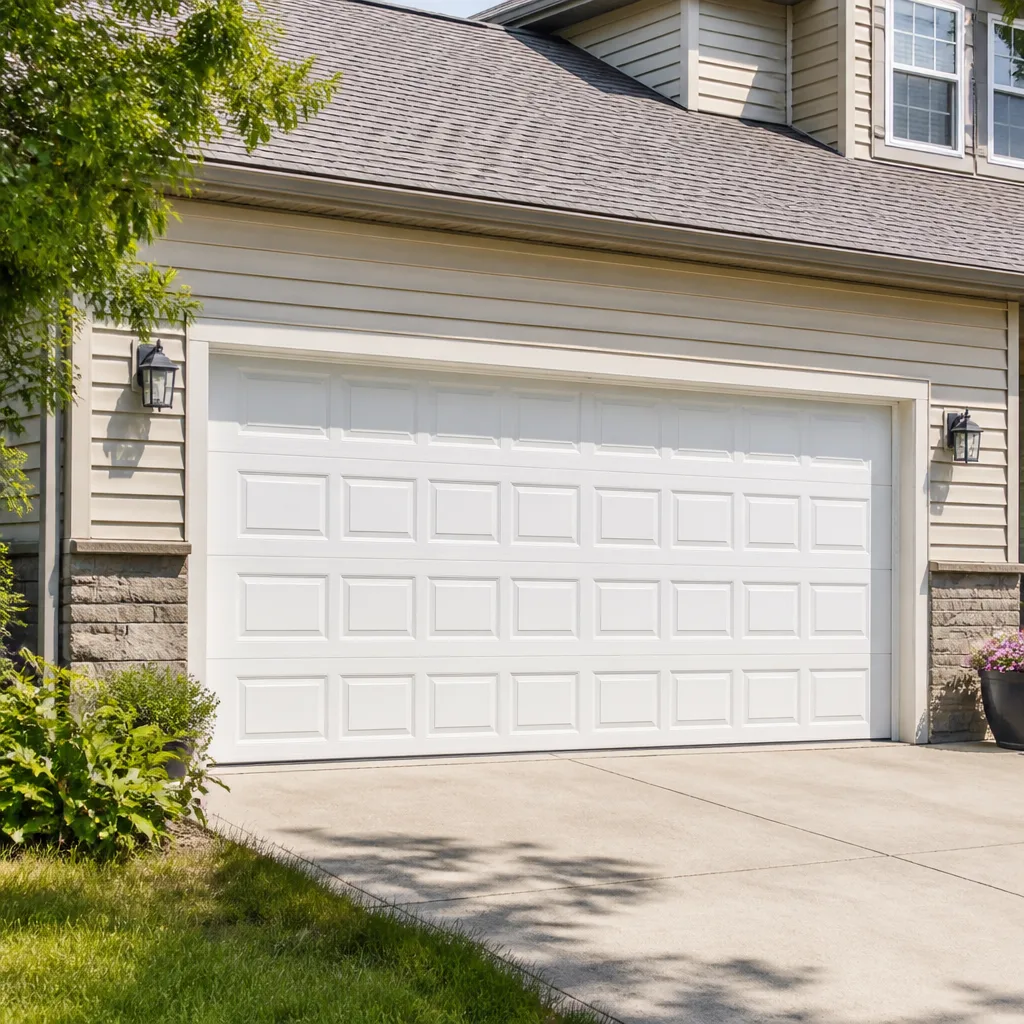 Raised-panel steel
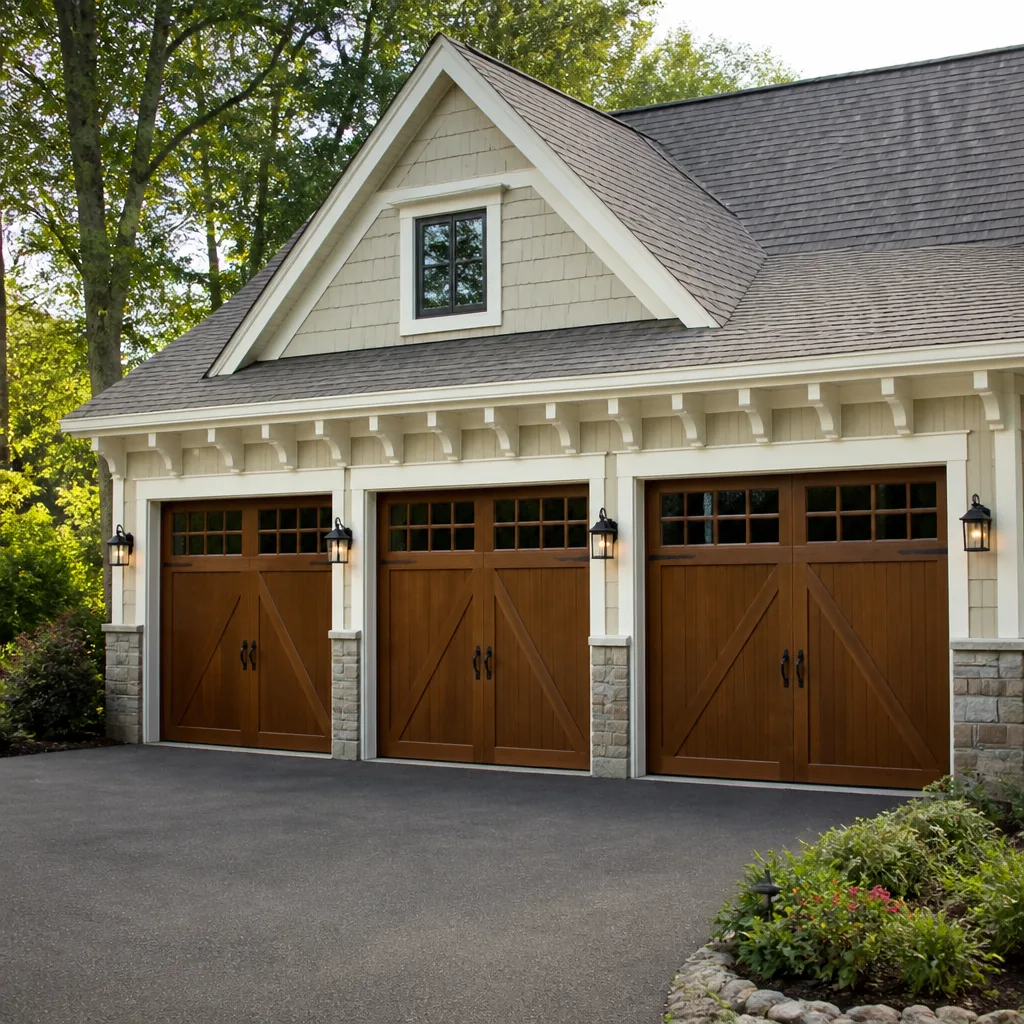 Carriage house
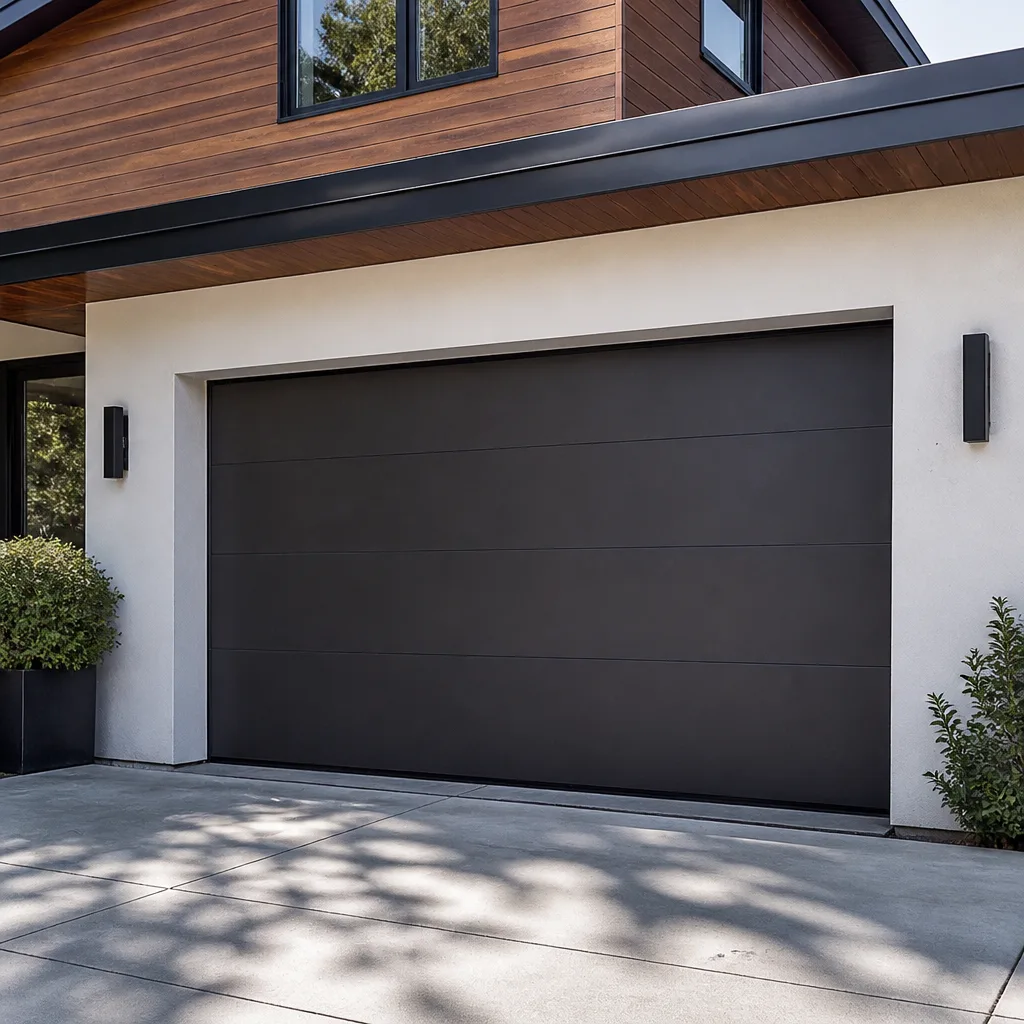 Modern flush
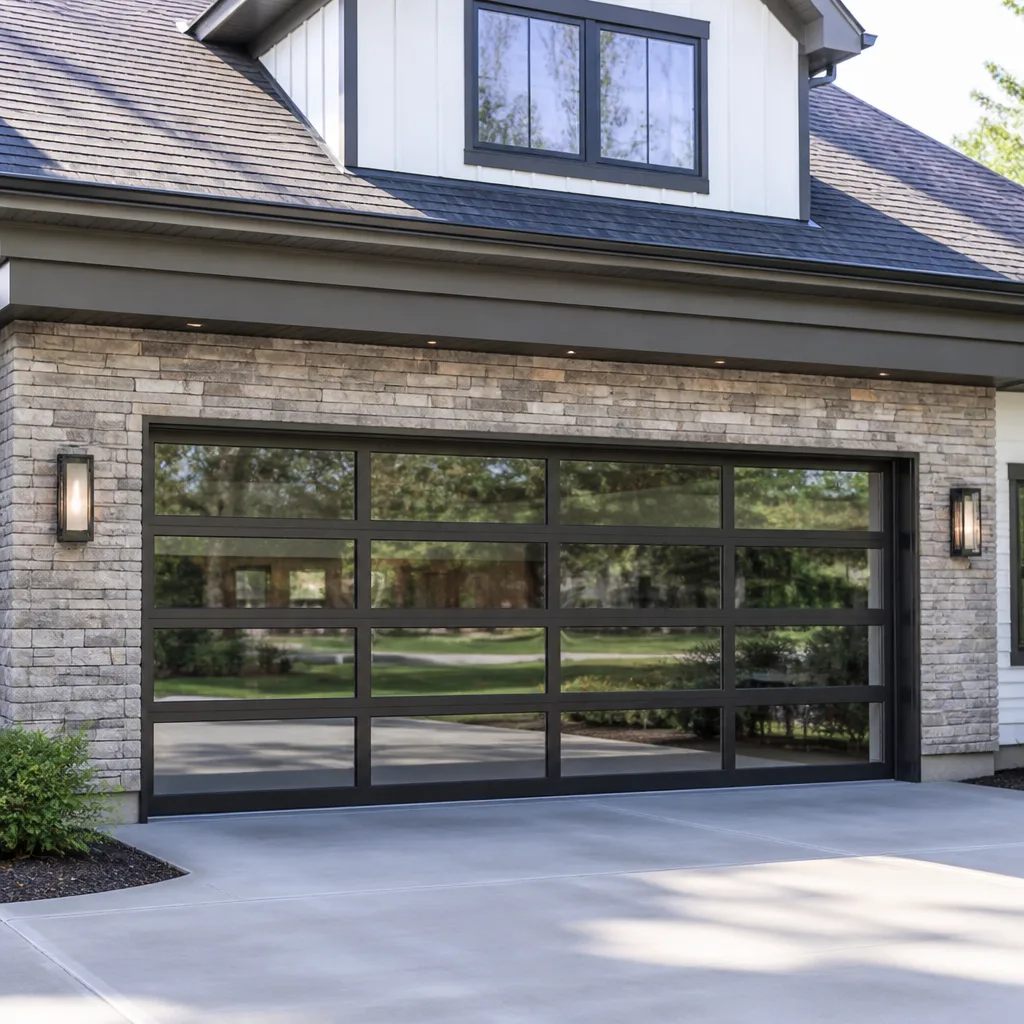 Full-view glass
 LiftMaster openers
 Chamberlain openers
Full 25-point door and opener safety check with every visit - springs, cables, rollers, tracks, and your LiftMaster or Chamberlain opener included
You get a price before we start. It does not change when the pro arrives.
Get your free estimateSeasonal Garage Door Care for Federal Way: Year-Round Homeowner’s Guide
Most garage door advice you’ll find online was written for Minnesota or upstate New York, where a hard freeze snaps springs and the whole seasonal calendar revolves around ice. Federal Way doesn’t work that way. We rarely get the deep cold that cracks metal overnight. What we get is wet: roughly half the year, from October into April, is a slow soak that works on cables, hinges, rollers and the bottom seal a little at a time. The spring that fails in May usually started corroding in November, and that’s why the breakdown feels random when it was anything but. This guide walks through what actually happens to a garage door here, month by month, and what to check before each season turns.
Quick Answer
Seasonal garage door care in Federal Way centers on moisture, not cold. Before the October rains, check your bottom seal for gaps and look at the cables for rust. Through winter, never force an opener if the door is stuck to the floor slab. In spring, inspect the hardware the wet season quietly corroded, and in the dry July-August stretch, watch aluminum and steel panels for binding as they expand. Lubricate on a schedule tied to the rainfall calendar, not a generic quarterly reminder.
Styles & brands we work with
- Raised-panel steel
- Carriage house
- Modern flush
- Full-view glass
- LiftMaster openers
- Chamberlain openers
Table of Contents
- Why Federal Way’s Climate Treats Garage Doors Differently
- Fall Prep: Sealing the Door Before the Wet Season
- Winter: What to Do When the Door Freezes to the Floor
- Spring: Reading the Damage Six Months of Moisture Left Behind
- Summer: Thermal Expansion and the Dry Stretch
- The Federal Way Lubrication Calendar
- A Simple Monthly Walk-Around
- When Seasonal Care Isn’t Enough
Why Federal Way’s Climate Treats Garage Doors Differently
A garage door in Federal Way lives in a house that sits under a marine-influenced sky but well inland of the water, so it faces steady damp rather than salt. Our wet months aren’t violent. They’re long. Drizzle, fog, low cloud and a slab that stays cool and slightly wet for weeks at a time create exactly the conditions where bare steel rusts and grease thins out. The door hardware closest to the ground takes the worst of it: bottom brackets, the lower hinges, the cables that run down each side and the bottom seal that sits against the concrete.
The pattern we see across Federal Way homes is consistent. Doors that get inspected in October hold up. Doors that get ignored until something breaks in April usually show a chain of small failures by then – a seal that’s gone hard, a cable with a rough spot, a hinge pin that’s seized – any of which would have been a cheap fix in the fall.
A few things shape how this plays out block by block:
- Homes on sloped lots in neighborhoods like Mirror Lake or Twin Lakes often have garages that drain toward the door, so water pools at the threshold and the bottom seal sits wet longer.
- North-facing garages stay shaded all winter, so moisture there never fully dries between rain events. That’s where we see the earliest corrosion.
- Older single-wall steel doors that are common in parts of Federal Way have thinner metal at the panel seams, and the first rust shows in those seams before it shows anywhere else.
- Doors under trees collect debris in the tracks and at the seal, and that debris holds moisture against the metal.
None of this is dramatic. It’s a slow grind. But it’s the reason a seasonal routine built for Federal Way beats a routine copied from a colder place. The threats here are different, and the schedule should be too.
Fall Prep: Sealing the Door Before the Wet Season
The two things that matter most going into fall are the bottom seal and the condition of the cables. If either is compromised, the whole wet season gets in. Get a few inches off the ground and look at both, ideally before the first sustained rain in late September or early October. This is the single highest-value inspection of the year in Federal Way.
Check the bottom seal first
The bottom seal is the rubber or vinyl strip along the lowest edge of the door. It’s meant to sit flush against the slab and keep water, cold air and pests out. In Federal Way it takes constant contact with damp concrete through the winter, so it hardens and cracks faster than it would in a drier climate. Press on it with your thumb. If it’s stiff, cracked, torn or leaves visible daylight under the closed door, it needs replacing before the rains settle in. A seal in good shape keeps the slab dry and keeps the lower hardware from rusting.
Inspect cables for corrosion, never for adjustment
Look, don’t touch. The cables are under extreme tension and belong to a trained technician. What you can do is look at the cable running down each side of the door. A healthy cable is smooth and even. A rusted one shows discoloration, a furry texture or small frayed strands near the drum at the top. If you see any of that, call it in before winter. Corroded cables can fail suddenly, and the safest time to swap them is on a dry fall afternoon, not mid-storm.
- Close the door and check the seal contact along its full width.
- Look at both cables from a safe distance for rust or fraying.
- Clear leaves and grit from the tracks and the seal channel.
- Test the photo-eye safety sensors by blocking them with a hand while the door closes.
- Note anything that looks worn and book a service call before the weather turns.
Replacing a bottom seal is routine work and one of the cheapest ways to protect everything on your door for the year ahead. If you’re not comfortable checking the cables yourself, this is exactly the point in the calendar to have a specialist look. More on that in our garage door repair service.
Winter: What to Do When the Door Freezes to the Floor
This is the most common winter problem in Federal Way, and the most common mistake too. After a cold snap, a door can freeze to the concrete slab when the bottom seal traps water and the temperature dips below freezing. The opener then strains to lift a door that’s physically stuck, and it’s the opener that gives out. Forcing it is how a quick thaw turns into a motor replacement. The right move is to release the door from the opener and free it by hand, gently.
The safe sequence
- Stop pressing the remote. Every additional attempt strains the opener’s gears and motor.
- Pull the red emergency release cord to disconnect the door from the opener.
- Use warm water or a warm cloth (not hot, not a torch, not a heat gun) along the bottom seal to thaw the bond. Keep fingers clear of the door’s path.
- If the door lifts freely by hand, reconnect it and test the opener once.
- If it still won’t lift by hand, don’t force it. Something else is wrong, and that’s a call.
What not to do
Don’t pour hot water directly on frozen hinges or cables, and never use a flame or a heat gun on the door. Both warp the seal and can flash-crack cold metal. Don’t keep cycling the opener to “break it loose” – it won’t, and you’ll burn out the motor in the trying. And don’t assume a door that thawed by itself is fine. If it froze once, the seal is holding water, and it will freeze again.
Opener behavior in the cold
Cold can also affect the opener itself. A LiftMaster or Chamberlain unit with a battery backup will switch to battery power when the line current drops, and that can change how strongly it lifts. If the door moves sluggishly but isn’t stuck, listen to whether the motor sounds weak or struggles. That’s a sign to have the opener checked, not a sign to keep mashing the button. Our garage door opener repair service covers every major brand, so you don’t need to guess whether your unit is supported.
If your door won’t move and you’re stuck, call (855) 337-0888. We answer 24/7. Fast dispatch from 7am to 7pm, Sunday through Friday.
Spring: Reading the Damage Six Months of Moisture Left Behind
By the time March and April settle in, your door has been damp or wet for months, and the failures that have been building quietly all winter tend to show up now. This is assessment season, not repair-in-a-rush season. Look closely and you’ll find the story of the winter written into the hardware.
What to look for
- Rust bloom on hinges and bottom brackets. A little surface rust is cosmetic. Pitted rust or seized hinge pins mean the metal has been wet for weeks and the moving parts are no longer moving.
- A bottom seal that has gone stiff or torn. It spent the winter pressed against damp concrete. If it’s no longer soft and supple, it isn’t sealing anymore.
- Cable discoloration or a fuzzy surface. Corrosion inside the cable’s strands is the quietest and most serious problem to find in spring.
- Springs with visible rust streaks. Rust on a torsion spring is a warning, and any work on a torsion spring is genuinely dangerous. Do not adjust or replace one yourself. Loosen a torsion spring by hand and it can unwind with enough force to break a bone.
- Stiff rollers. Rollers that no longer turn freely squeal and grind, and that noise usually gets worse through spring.
Test opener balance now
Pull the emergency release and lift the door by hand. A well-balanced door lifts with one hand and stays roughly where you leave it. A door that feels heavy or drops on its own has a spring or cable problem that built up over the winter and shouldn’t wait. Reconnect it only after testing the opener’s auto-reverse. This is the best time of year to catch a spring that’s about to fail, before it strands you mid-summer. Our garage door spring repair page explains what that service involves.
If the wet season did more damage than you expected – rusted cables, a spring that’s lost tension, a seal beyond saving – spring is the right moment to address it, when the calendar is open and the door isn’t failing under pressure.
Summer: Thermal Expansion and the Dry Stretch
Federal Way’s July and August are dry and warm, the opposite of the wet season, and that shift brings its own issues. Metal expands with heat, and a garage door is a big flat sheet of it facing the sun. Aluminum doors expand the most, then lighter-gauge steel, then insulated steel with a solid core. When a door’s panels expand against a tight frame or track, you get binding, uneven travel or a door that rubs on one side. That’s not a broken door. It’s a seasonal adjustment issue.
Signs of thermal binding
- The door seems to stick at the same point on one side during the hottest part of the day.
- Panels rub the track or each other where they didn’t in spring.
- The door opens smoothly in the morning and drags by mid-afternoon.
If you notice that pattern, don’t force the door. Have the track spacing and the door’s travel checked. A technician can adjust the track and rollers so the door has the clearance it needs across both the wet and dry seasons, which is essentially a Federal Way-specific tune-up.
The dry season is for bigger decisions
Summer is also the best window to plan a full replacement if years of winter moisture finally caught up with the door. A door that rusts through at the seams every spring, sags at the top, or has been patched for the third time is telling you the maintenance phase is over. A new door is measured, ordered, scheduled and installed – it isn’t something to do in a rush. Get a free measure and a written price while the weather is dry and you have time to choose the right door for your house rather than the first one available. When a repair reveals a door that needs replacing, you don’t have to find a second company – Federal Way Garage Door Repair Co handles both under one call.
The Federal Way Lubrication Calendar
Generic advice tells you to lubricate “quarterly,” which means nothing when you live somewhere with two very different seasons. Tie the schedule to the rainfall calendar instead. One thorough lubrication before the wet season and one as it dries out does more for your door than four evenly spaced touch-ups.
- Late September – before the rains. Lubricate hinges, rollers, springs and the torsion shaft. Use a garage door specialty spray or a non-stick silicone spray on the tracks, never grease on the tracks. This coat is what carries the moving parts through the wet half of the year.
- Midwinter – a light top-up in January or February. The wet season thins grease. A quick spray on the hinges and the top rollers keeps things moving through the dampest weeks.
- Late April – as the wet season ends. Clean the tracks, wipe away any accumulated grit, and re-lubricate the moving parts so they carry into summer. This is also when you catch anything the winter did.
- Mid-July – a check during the dry stretch. A light coat on rollers and hinges. Dry summer air doesn’t affect lubrication much, but it’s the moment to check for thermal binding and adjust the track if needed.
The two anchor points are the September application and the April re-lubrication. If you only do two, make them those. On a chain-driven opener, a dab of specialty lubricant on the chain once a year keeps the drive train quiet. If you’d rather have a technician set the schedule, that’s what a routine service visit is for.
A Simple Monthly Walk-Around
A short visual check once a month takes five minutes and catches almost everything before it becomes a repair. You don’t need tools – just a flashlight and a minute to look at the door the way a specialist would.
Every month
- Seal contact. With the door closed, look along the bottom. Daylight means a gap; a soft, pliable seal means it’s doing its job.
- Cable condition. From a safe distance, glance at both cables for rust or fraying.
- Safety sensors. Block the photo-eye with your hand as the door closes. It should reverse.
- Auto-reverse. Lay a roll of paper towels flat on the slab and let the door close on it. It should reverse on contact.
- Track debris. Clear leaves and grit from the tracks and the seal channel, especially under trees.
- Sound. A door that suddenly gets louder, squeals or grinds is telling you something. Don’t ignore a new noise.
- Weather-stripping on the sides and top. The trim around the frame takes the same moisture load as the bottom seal and fails the same way.
Seasonal additions
Four times a year, add a closer look: a balance test (emergency release, hand-lift, reconnect), an inspection of the hinges and bottom brackets for rust, and a check of the torsion springs for rust or gaps. Those four extra checks are what separate a door that holds up for years from one that surprises you.
When Seasonal Care Isn’t Enough
Maintenance buys time. It doesn’t last forever, and at some point a Federal Way door reaches the end of what it can give. Three signals usually tell you it’s time.
The door rusts through the same seams every spring
If the panel seams show pitting and rust no matter how carefully you look after the door, moisture is getting into the metal itself. Repainting or patching buys one season at a time. A replacement door with a better finish and insulation ends the cycle.
The door has been patched three or more times
Repeated repairs on springs, cables and panels are a sign the door is working against you. Newer doors use better hardware and better seals, and the difference in the wet season is real.
The opener is older than the door
If your opener is the same one that came with a much older door, or it can’t be programmed to a modern remote without a workaround, replacing the door and operating system together makes sense. Multi-brand expertise matters here – we work on Raynor, Raynor-compatible and other major-brand doors and openers, plus LiftMaster, Chamberlain, Genie and more, so compatibility is never the reason to hold off.
An honest recommendation may still be a repair. If a single spring, cable or seal is the only issue, that’s what we’ll tell you. A full replacement is for the door that has genuinely run its course.
Common Mistakes to Avoid
- Forcing a frozen door with the opener. This is the single most expensive mistake we see in Federal Way winters. Release the door and thaw the seal by hand instead of burning out the motor.
- Using oil or grease on the tracks. Oil attracts grit and turns into a sticky paste that drags. The tracks need a dry silicone spray, never grease.
- Ignoring a hard bottom seal in fall. A stiff seal lets water reach the slab all winter, which is exactly where the rust starts on the hardware. Fall is the time to replace it.
- Adjusting a torsion spring yourself. This is the most dangerous repair in the garage door trade. Torsion springs are under enough tension to cause serious injury. Call a specialist.
- Skipping the spring balance test. A door that’s hard to lift by hand is telling you a spring is failing. Catching it in spring keeps you from being stranded in summer.
- Assuming a quiet door is a healthy door. Corrosion is silent until something fails. The monthly look-around exists to catch what your ears can’t.
- Copying advice written for a cold climate. Salt and hard freezes aren’t your problem. Moisture is, and the maintenance calendar should reflect that.
See the difference
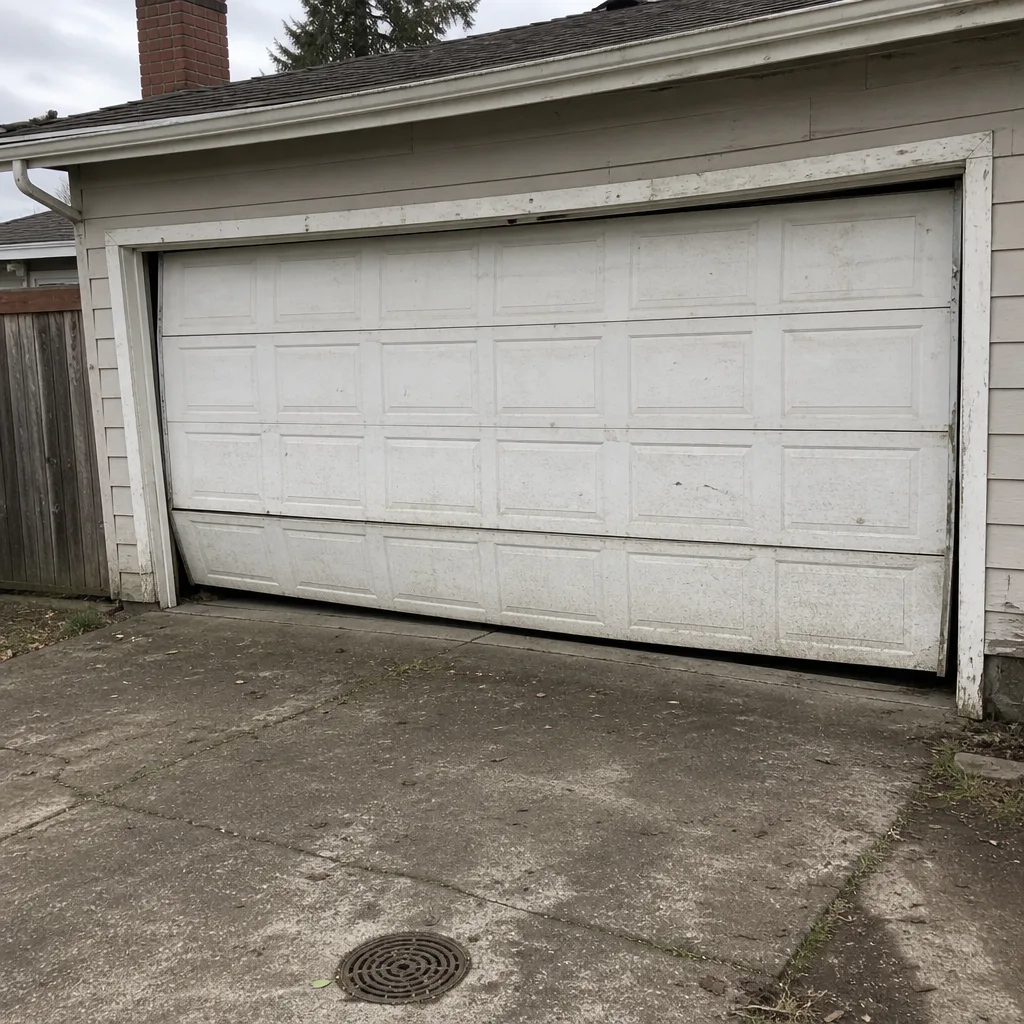 Before
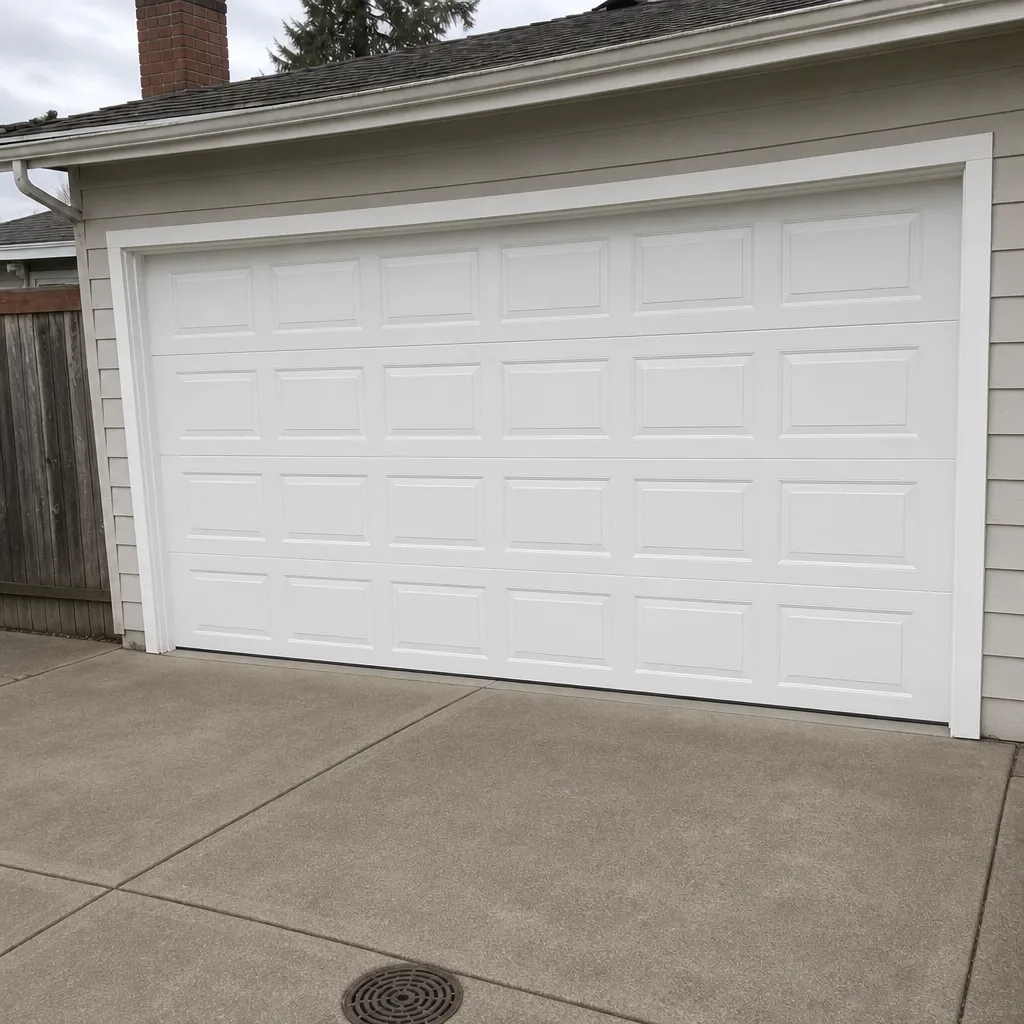 After
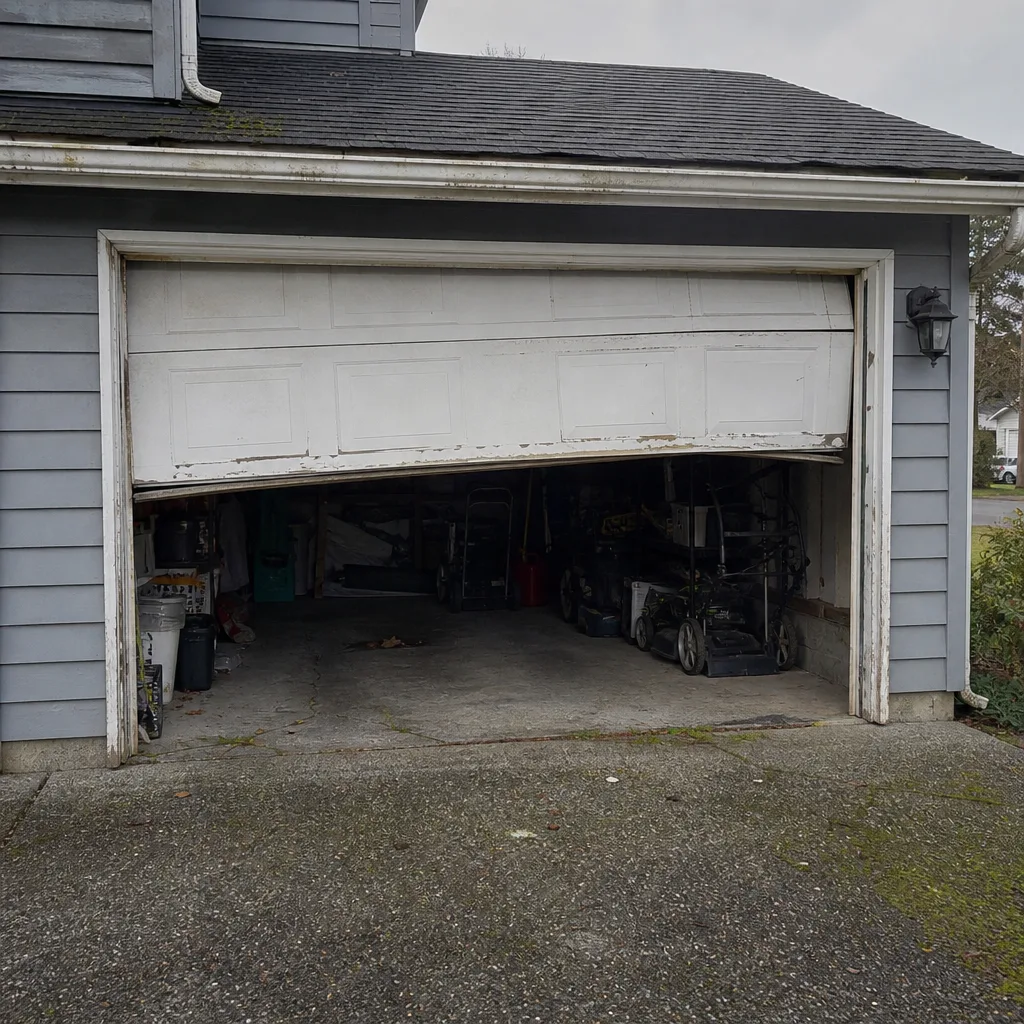 Before
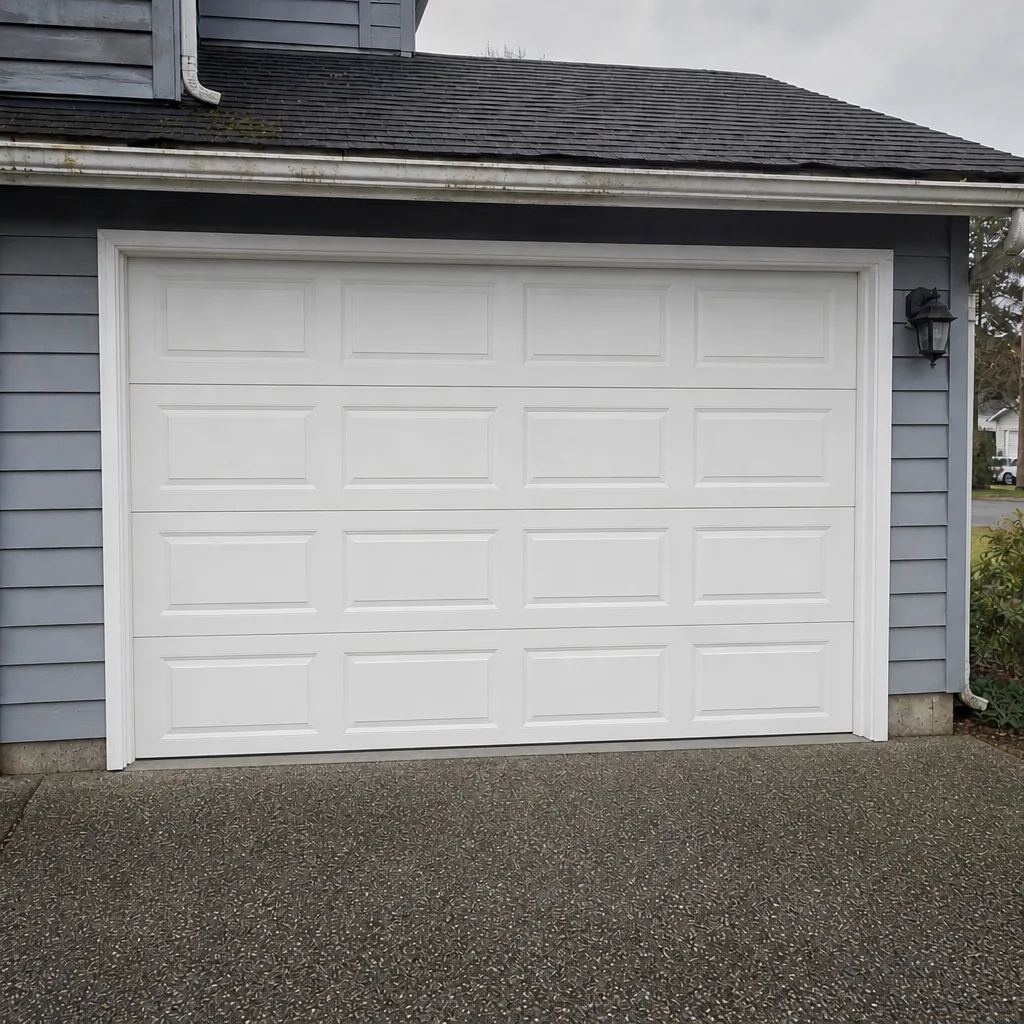 After
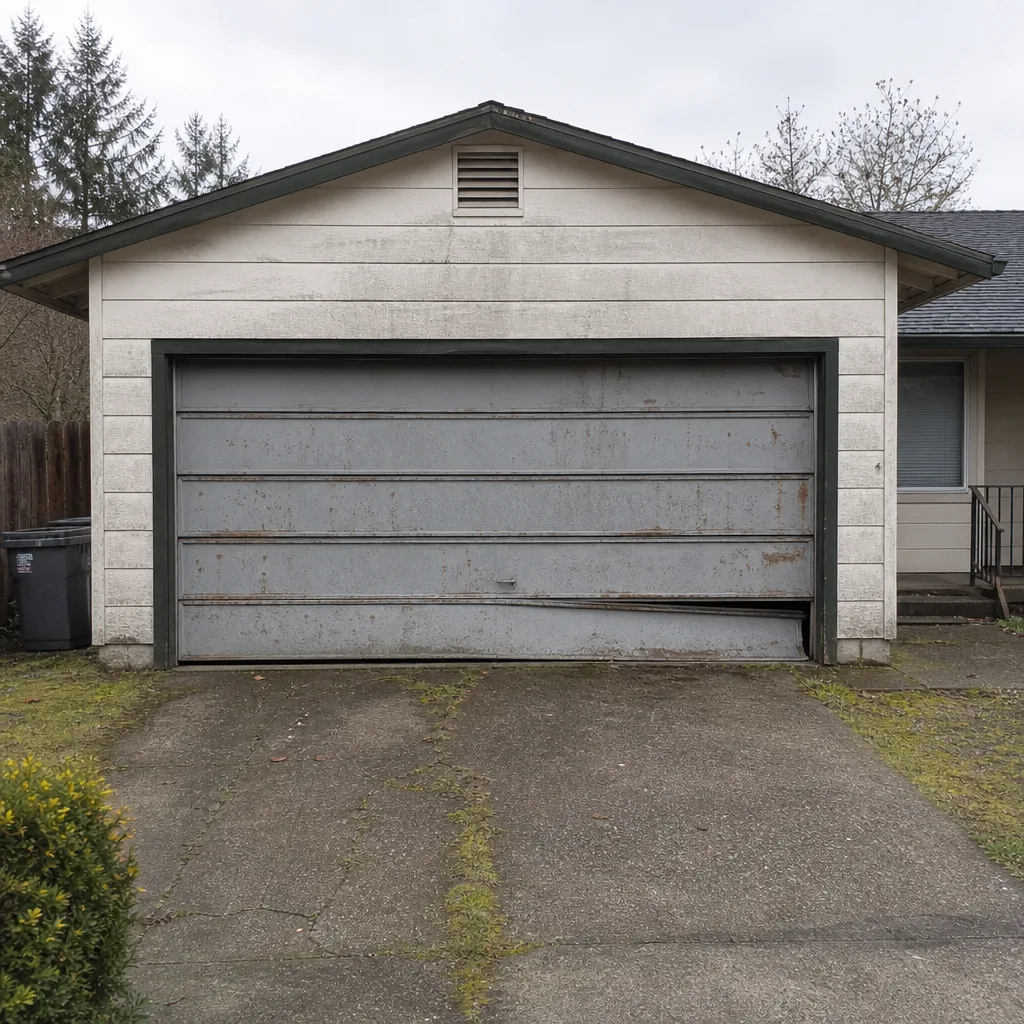 Before
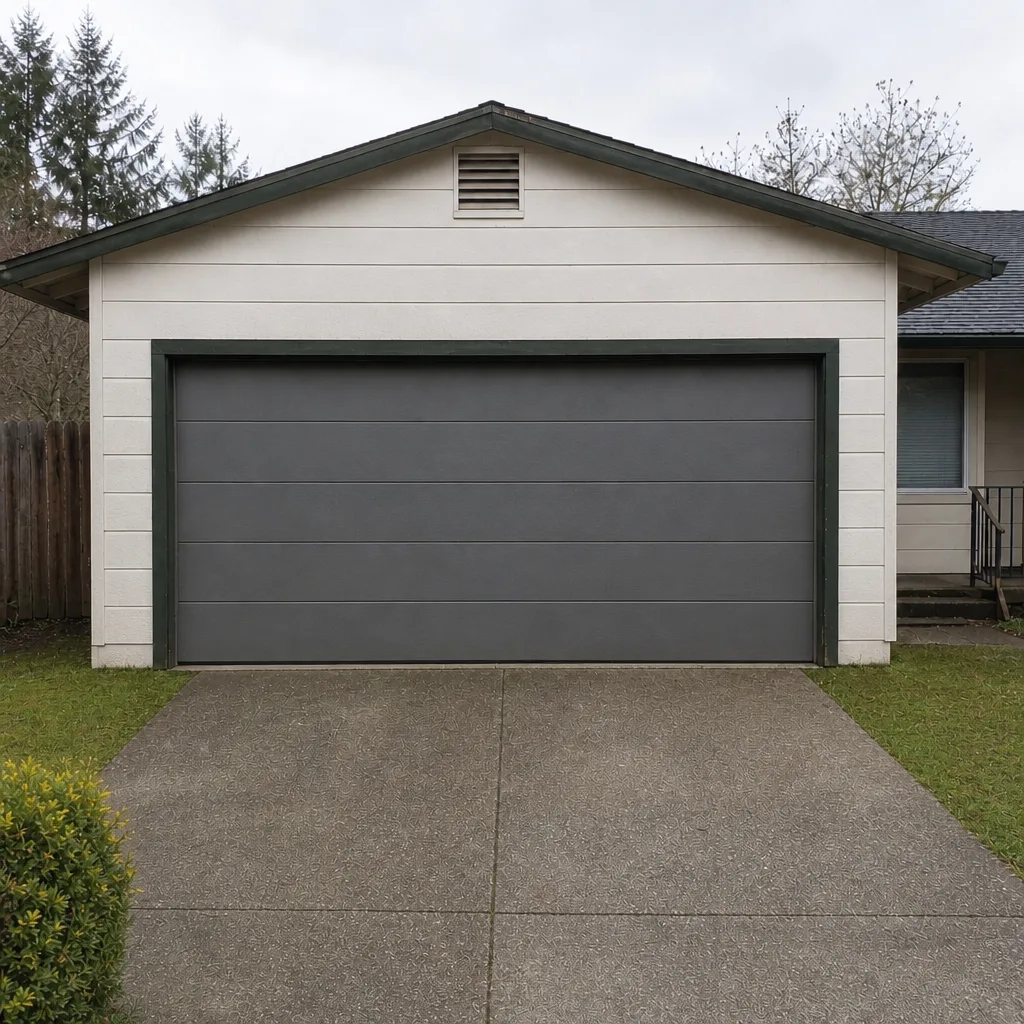 After
When to Call a Professional
Some garage door jobs are safe for a homeowner, like wiping down a seal or clearing track debris. Others aren’t, and it’s worth knowing where the line sits. Call a specialist if you see a frayed or rusted cable, a spring with a visible gap or rust streaks, a door that’s hard to lift by hand, a door that’s frozen to the floor and won’t thaw with gentle warming, a manual release that won’t re-engage, uneven travel, or a door that reverses on its own. Any of those is a sign something under tension or under power is involved. Federal Way Garage Door Repair Co offers free estimates in Federal Way. Our technicians have up to 9 years of experience and are trained on every major brand, so we work on the door and opener you already have. Call (855) 337-0888. We answer 24/7. Fast dispatch from 7am to 7pm, Sunday through Friday.
Frequently Asked Questions
Twice a year is enough if you time it to the rainfall calendar: once in late September before the wet season and once in April as it dries out. A light top-up on hinges and rollers in January helps through the dampest weeks. The exact parts to lubricate and which products to use are covered in the lubrication calendar above.
A wet bottom seal trapped against a cold slab is enough. The seal holds water against the concrete, and just a few hours below freezing bonds it. It’s common in Federal Way because the ground stays damp even when the air doesn’t drop far. The fix is usually a new seal, not a new door.
No. If the door won’t lift by hand with the emergency release pulled, the opener shouldn’t be used – it will strain the motor and gears. Free the door first, and call a technician if it still won’t move by hand. (855) 337-0888 gets you an exact quote – estimates are free.
A rusted cable is almost always a repair, not a replacement. Cables are a serviceable part and are replaced routinely when they show corrosion or fraying. A new door is only in play if the panels themselves have rusted through at the seams.
A spring repair fixes a spring that’s failed or lost tension on the existing spring setup, most commonly by replacing the spring itself; a full spring replacement swaps in a fresh spring or pair. Both are done by a trained technician because torsion springs are under extreme tension. If you’re not sure which you need, a quick look by a specialist settles it.
Yes. We work on the brand you already have and service eight major manufacturers, including Raynor, LiftMaster, Chamberlain and Genie. Older doors and openers are common in Federal Way, and multi-brand familiarity is exactly why we’re able to help. Call (855) 337-0888 – we’ll tell you straight whether a repair makes sense or a replacement is the better call.
The Bottom Line
Federal Way’s garage doors aren’t beaten by cold – they’re worn down by moisture over a long wet season. Seal the door in fall, don’t force it in winter, inspect the hardware in spring and watch for thermal binding in summer, and lubricate to the rainfall calendar rather than a generic quarterly reminder. A five-minute monthly look-around catches almost everything early. When a cable, spring or seal turns up compromised, the fix is often simple and cheap compared to the damage a failed part can cause. Get the routine in place and a Federal Way door will stay quiet and reliable through every season. Call Federal Way Garage Door Repair Co at (855) 337-0888 for a free estimate – we work on the brand you already have.
Written by the team at Federal Way Garage Door Repair Co.