
Last updated November 23, 2026
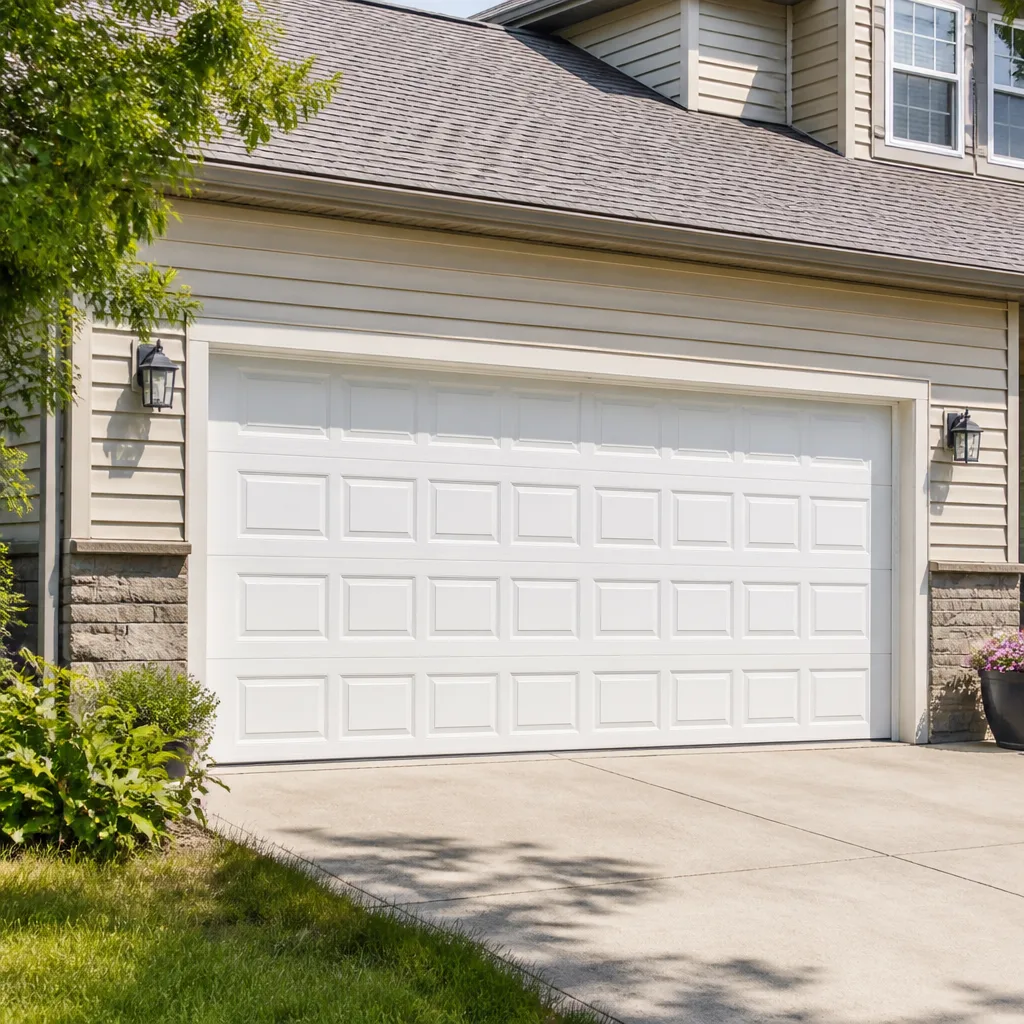 Raised-panel steel
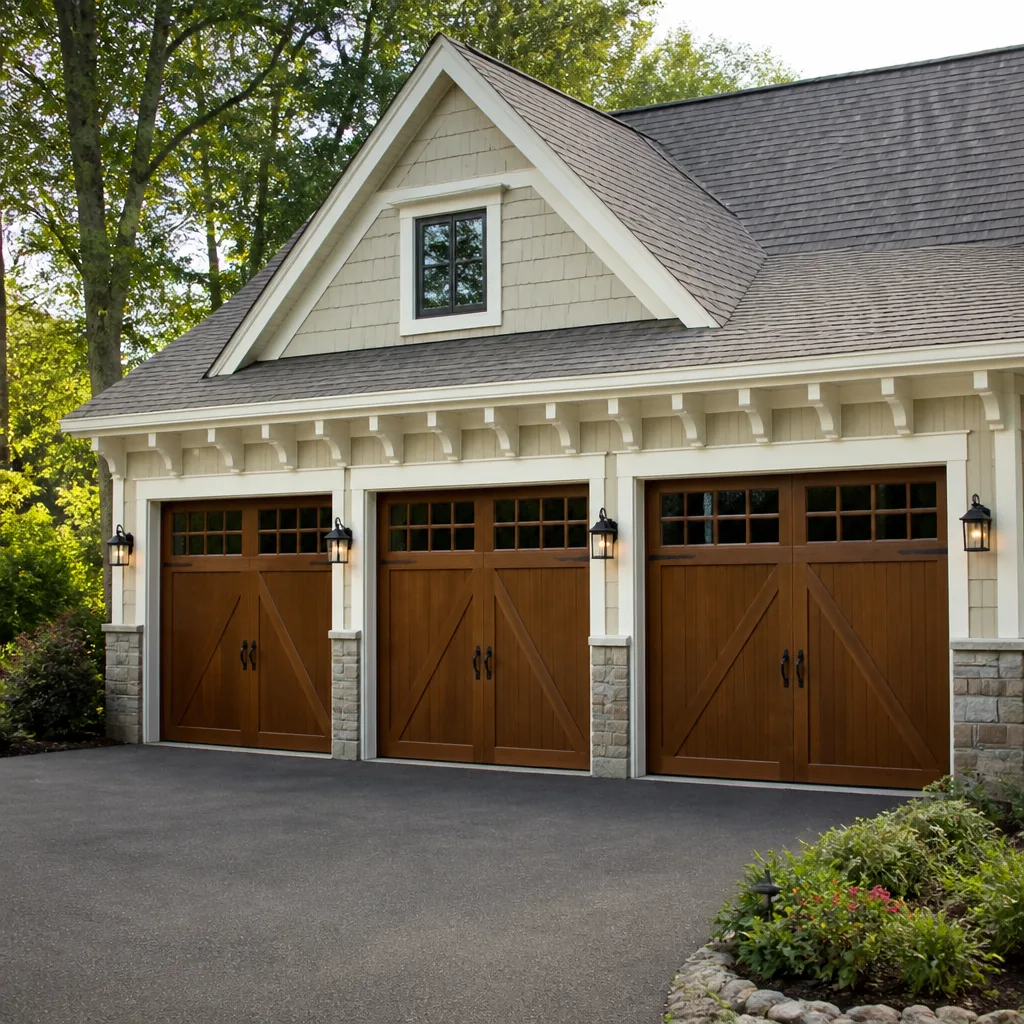 Carriage house
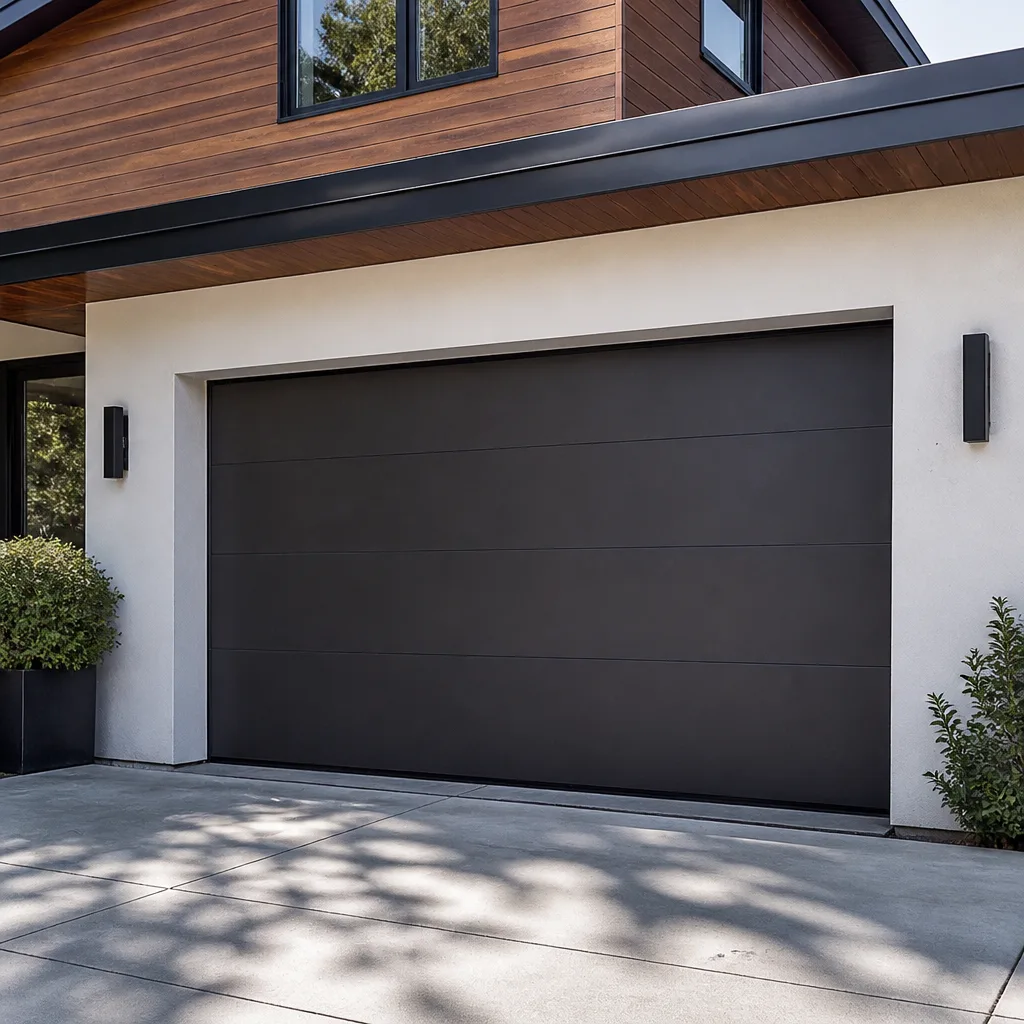 Modern flush
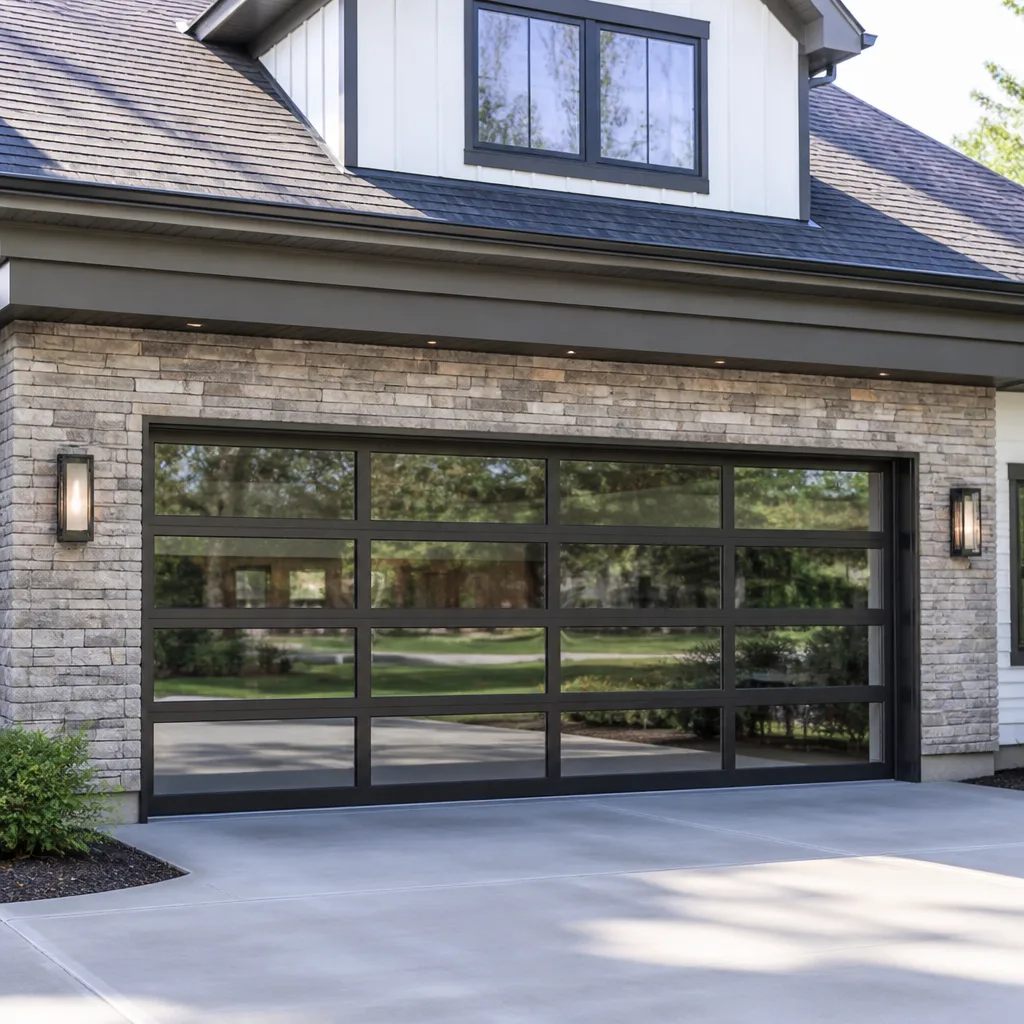 Full-view glass
 LiftMaster openers
 Chamberlain openers
Full 25-point door and opener safety check with every visit - springs, cables, rollers, tracks, and your LiftMaster or Chamberlain opener included
You get a price before we start. It does not change when the pro arrives.
Get your free estimateDIY vs Professional Garage Door: The Federal Way Homeowner’s Decision Guide
Garage door springs cause more serious DIY injuries than any other home repair category, and it’s not because homeowners are careless. It’s because stored tension doesn’t behave the way intuition says it should. A torsion spring under load holds enough energy to move a car, and it releases that energy in a fraction of a second with no warning. The garage door is the largest moving object in most Federal Way homes, and it’s also the one homeowners are most likely to try to fix themselves. This guide separates the tasks you can genuinely handle from the ones that belong to a trained technician, explains the mechanical reason why, and gives you the cost math to decide for yourself.
Quick Answer
Most garage door repairs in Federal Way fall into two clear groups. Weather seals, rollers, lubrication, and safety sensor alignment are safe, sensible DIY projects for a careful homeowner with basic tools. Springs, cables, and anything involving the torsion shaft or the counterweight system are not. That’s not a liability disclaimer; it’s a mechanical fact about how stored energy works.
Styles & brands we work with
- Raised-panel steel
- Carriage house
- Modern flush
- Full-view glass
- LiftMaster openers
- Chamberlain openers
Table of Contents
- Why Springs Are Mechanically Different From Every Other Garage Door Task
- The Tasks a Capable Federal Way Homeowner Can Do Safely
- What a Proper Spring Job Actually Requires
- The Cost Math: When DIY Saves and When It Costs More
- How Federal Way’s Wet Conditions Change Your Repair Window
- Why Misdiagnosis Is the Most Expensive DIY Mistake
- How a Professional Repair Actually Goes
- Warranty, Safety, and the Long View
Why Springs Are Mechanically Different From Every Other Garage Door Task
A garage door weighs between 130 and 350 pounds depending on material, insulation, and width. You lift it with one hand because a torsion spring is doing almost all the work. That spring is wound to a specific number of turns that counterbalances the door’s exact weight, and it stays in that state of stored tension for the entire service life of the door. When it’s at rest, it’s still loaded.
This is the point most tutorials skip. Every other component on a garage door is passive. Rollers roll. Hinges pivot. Seals compress. The spring is active – it’s a compressed energy storage device, and it’s under full load even when the door is down and the garage is quiet. Replacing a roller means loosening a bracket and sliding a wheel. Replacing a spring means deliberately releasing and re-applying that stored energy in a controlled sequence, using two winding bars held in opposition, while standing directly under the load.
The injury pattern follows from this. When a torsion spring fails during a DIY replacement, it’s usually because one winding bar slipped out of the collar and the spring unwound instantly through the other bar’s slot. There’s no gradual warning and no chance to step back. Extension springs are a different failure mode – they stretch along the door’s travel and can whip when they break, which is why modern extension systems use containment cables.
None of this means the spring is a mystery. It means the spring is a load, and loads require the right tools and the right procedure. In Federal Way, where the wet season runs for months and doors cycle constantly, springs fatigue and snap with regularity. That’s precisely when the temptation to “just replace it” is strongest. It’s also precisely the moment to recognize the task for what it is.
The Tasks a Capable Federal Way Homeowner Can Do Safely
There’s real satisfaction in handling a garage door repair yourself, and several of the most common issues genuinely don’t require a specialist. These tasks involve no stored tension, no overhead load, and no specialized tooling.
- Weather seal replacement. The bottom seal is held in a retainer channel on the door’s bottom edge. Slide the old one out, feed the new one in, trim to width. Ten minutes with a utility knife.
- Roller replacement. With the door down and the opener disconnected, each roller slides out of its hinge bracket. Pop out the old, seat the new. Do one at a time and the door stays stable.
- Lubrication. A few drops of white lithium grease on hinges, rollers, and the torsion shaft bearings, twice a year. This is the single highest-value maintenance task on the door.
- Safety sensor alignment. If the door reverses on the way down, the photo-eye sensors at the floor are usually misaligned or dirty. Wipe the lenses and adjust the brackets until both indicator lights are solid.
- Track wiping. Clean the vertical and horizontal tracks with a damp cloth. Don’t lubricate them – grease attracts grit.
These are real repairs, not busywork. Doing them keeps the door quieter, extends roller life, and prevents the small misalignments that eventually stress the opener. What they have in common is that none of them require you to be under a loaded spring or on a ladder with a winding bar. If a task requires either of those, it’s not on this list.
One caution that applies across all five: work with the door fully down, unplug the opener, and don’t prop the door open with anything that could shift. The garage door’s weight is managed by the counterweight system, and if that system is compromised in any way, even the “safe” tasks should wait for an inspection.
What a Proper Spring Job Actually Requires
Most DIY articles on spring replacement gloss over the tool list, and that omission is why so many people start the job and then improvise. A proper torsion spring replacement requires specific equipment, and there’s no safe substitute for any of it.
- Two winding bars of the correct diameter for your torsion tube – typically 1/2 inch or 7/16 inch. Screwdrivers, punches, and drill bits are not winding bars, and there’s no version of this where they work safely.
- A spring winder or proper clamping for the winding cones, so the cone stays engaged while you wind.
- Correctly sized replacement springs matched to your door’s weight and tube size. A spring that’s the wrong length, wire gauge, or wind direction will either not lift the door or will overload the opener.
- A winding bar retention strap (or a second person holding tension) for the release sequence.
- Safety glasses rated for impact, and gloves rated for the winding process.
- A ladder rated for your weight, positioned so you’re not reaching sideways.
That’s the disclosure most guides skip. Buying the bars, the winder, and the correct springs usually runs more than a professional spring replacement in the Federal Way market, and you still have to execute the winding sequence correctly on the first attempt. This is why spring replacement is genuinely a different category of task than resealing a door. If you want to know what a proper job costs to compare, our garage door spring repair page lays out the typical ranges.
The other tool requirement that’s rarely mentioned: a door scale. Springs are matched to the door’s actual weight, and guessing wrong is one of the most common reasons a DIY spring replacement leads to a second repair. A trained technician weighs the door and specs the spring to it.
The Cost Math: When DIY Saves and When It Costs More
DIY saves money when the repair is simple, the diagnosis is correct, and the tooling is in your garage. It costs more when any of those three fail. Here’s the honest breakdown.
| Task | Typical DIY Cost | Typical Professional Range | DIY Verdict |
|---|---|---|---|
| Bottom weather seal | Under $40 in parts | $120-$220 | Worth doing yourself |
| Roller replacement (full set) | $40-$80 for rollers | $180-$320 | Worth doing yourself |
| Lubrication and tune-up | Under $15 in grease | $90-$180 | Sensible DIY maintenance |
| Sensor alignment | Free | $90-$160 | Try it first |
| Torsion spring replacement (single) | Parts + tools often exceed $300 | $180-$340 | Professional territory |
| Matched pair of springs | Roughly double a single spring | About twice the single-spring range | Professional territory |
The spring math is where DIY economics break down. The tools alone – winding bars, a winder, the correct springs – can cost more than the professional service, and that’s before you factor the risk of a wrong weight spec. A pair of springs is usually replaced together because they’ve worn the same number of cycles, so budget for roughly double a single spring when you’re doing the math.
The other cost that doesn’t show up in a parts list: a misdiagnosis. If you replace a spring and the door still doesn’t balance, the problem was probably a cable or a broken hinge, and now you’ve paid for both the wrong part and the eventual correct repair. A misdiagnosed door is more expensive to fix than a door that was correctly diagnosed the first time.
How Federal Way’s Wet Conditions Change Your Repair Window
Federal Way gets a long, wet stretch from fall into spring, and that changes the DIY decision in a way most guides never address. When the door seal is failing and rain is forecast for the next ten days, the pressure to rush a repair increases. Rushing is exactly when mistakes happen.
Here’s the practical effect. Water pools at the bottom of the door during heavy rain, and a failing bottom seal lets it track into the garage, dampening the floor slab and the first few inches of anything stored near the door. That’s a genuine reason to move quickly on a seal replacement – it’s a low-risk DIY task, and a Saturday afternoon is plenty of time. But the same rain window pushes a lot of homeowners to attempt spring replacement “before the door is unusable.” A spring job done in a hurry, on a wet ladder, with cold hands, in a garage that’s dark by mid-afternoon, is exactly the scenario where winding bars slip.
The better approach in Federal Way’s climate is to plan the repair window, not to rush it. Seal replacements, roller swaps, and lubrication can wait for a dry break – these are weather-tolerant tasks with no urgency beyond comfort. Spring and cable work should be scheduled for supervised daylight, either way. If the door is stuck open and rain is coming, don’t balance on a wet ladder trying to fix it yourself; secure the door with the manual release and a brace, and get a technician out. Our garage door repair page covers the diagnostics that come first, and that’s the call that saves both the door and the garage floor.
The other Federal Way-specific factor is temperature swing. Cold snaps put extra stress on springs that are near the end of their cycle life, and a door that worked fine in October can fail in December. That’s a good time of year to inspect the springs visually, looking for gaps in the coils, and to get ahead of a repair rather than react to one.
Why Misdiagnosis Is the Most Expensive DIY Mistake
The most expensive outcome in garage door repair isn’t the one where you pay for a professional. It’s the one where you pay for the wrong part first, then pay for the professional, then pay to fix whatever the wrong part did to the rest of the system. We’ve seen this pattern enough times to know how it starts: a symptom that looks like one thing but is actually another.
- The door won’t open, so you assume the spring is broken. Often it’s the opener’s drive gear, a stripped sprocket on a chain-drive unit, or a dead capacitor. If the opener hums but doesn’t move the door, the spring is more likely to be fine than the opener.
- The door reverses immediately, so you assume the sensors are bad. Frequently it’s a bind in the track, a bent roller, or a door that’s out of balance and pushing past the opener’s force limit. Sensor lights tell you a lot – look at them before buying parts.
- The door is loud, so you assume the rollers are shot. Sometimes it’s loose track bolts, a worn bearing plate, or a garage door with a broken spring that’s loading the opener. A “loud” door for a few weeks often precedes an opener failure.
- The door won’t close all the way, so you assume the seal is catching. It could be a travel limit setting, a misaligned track, or a safety sensor that’s working intermittently.
A misdiagnosis costs you the wrong parts, plus the correct repair, plus the possibility of having damaged the opener by running it against a load it wasn’t designed to carry. That last cost is the one that stings. Running a door on a broken spring can burn the opener’s motor over time, so a “cheap” DIY spring diagnosis can turn into a spring replacement plus an opener replacement.
Our garage door opener repair page walks through the symptoms on the opener side if you’re trying to narrow it down. If you can’t tell which side of the system the fault is on, a professional diagnostic is cheap compared to guessing wrong.
How a Professional Repair Actually Goes
For the jobs that aren’t DIY-friendly, knowing the process takes the mystery out of the decision. A professional spring or cable repair follows a consistent sequence.
- Diagnosis before any work. The technician checks the door’s balance, inspects the spring and cable system, tests the opener’s operation, and identifies the actual cause before quoting.
- Written estimate before work starts. You get a price for the job, in writing, and you approve it before a tool comes out of the van. The written estimate is the price – there’s no surprise invoice after.
- Release and replacement of loaded components. The technician releases the stored tension in a controlled sequence, replaces the spring(s) or cable, and re-winds to the correct turns for the door’s weight.
- Balance and safety test. The door is tested for balance at mid-travel, the opener’s force and travel are checked, and the safety reverse is verified.
- Walkthrough. You’re shown what was replaced and what to watch for. The video below is not a substitute for that walkthrough.
The technician has weighed that door before the spring was spec’d, and that’s the part DIY rarely gets right. We work on the brand you already have, whether that’s a Wayne Dalton, a LiftMaster, or a Raynor – and the process doesn’t change based on brand. What changes is the part spec, which is exactly why it’s worth having someone who works across all of them figure it out. Our Federal Way Garage Door Repair Co team handles the spring, the cable, the opener, and the full installation in one call, so a repair that reveals a bigger problem doesn’t send you to a second company.
If the door fails at a time you didn’t plan for, the phone line is answered around the clock and we dispatch Sunday through Friday, 7am to 7pm. If you call outside that window, we book you into the next opening rather than leaving you waiting on a call back. The point is that the door gets fixed, not that you have to drop everything to manage the schedule.
Warranty, Safety, and the Long View
Warranty is a real cost factor in the DIY decision, and it’s rarely discussed. Most garage doors and openers carry a manufacturer’s warranty that includes labor requirements – meaning that if a homeowner performs the repair, the warranty on that component may not be honored. Spring replacement is usually the trigger, because the manufacturer wants to know the spring was installed correctly and the door was balanced afterward. A DIY spring job that a manufacturer deems incorrect installation can void coverage on the spring, the spring anchor, and sometimes the opener.
Professional installation carries a documented service record, which matters if the door fails again. That’s not a sales argument; it’s how warranty claims get processed. The same logic applies to the safety reverse test. Federal Way homeowners who are careful can do that test themselves, but a professional repair includes it as a step, every time.
The long view is simpler than the debate. The tasks you can safely do yourself – seals, rollers, lubrication, sensor alignment – are worth doing on a schedule, because they prevent the bigger failures. The tasks that carry stored energy – springs and cables – are worth handing off, because the risk isn’t skill, it’s physics. Getting that split right is what keeps your Federal Way garage door running quietly for years instead of turning a $200 repair into a $900 one.
Common Mistakes to Avoid
- Using screwdrivers or drill bits as winding bars. This is the single most common cause of spring-related DIY injury, and it happens because the tool looks close enough to work. It doesn’t – the metal flexes, slips out of the collar, and the spring unwinds in an instant.
- Replacing one spring when the pair is worn. Springs in a matched pair have cycled the same number of times, so replacing one usually means the second fails shortly after. Pair replacement is the standard for a reason.
- Buying a spring without weighing the door. A spring spec’d to the wrong weight will either leave the door unmanageable or overload the opener. The door’s weight sets the spring, and guessing gets it wrong.
- Lubricating the tracks. Grease on the tracks attracts grit, and grit wears the rollers faster than a dry track ever would. Lubricate the hinges, rollers, and bearings – leave the tracks clean and dry.
- Running the opener on a broken spring. This is the most expensive “free” repair decision a homeowner can make. The opener carries the door’s full weight and heat, and the motor pays for it.
- Rushing a repair before rain. Federal Way’s wet season puts pressure on outdoor repair windows, and a wet ladder plus cold hands is a bad combination for any overhead work. Plan the window, don’t compress it.
- Skipping the safety reverse test after any repair. The reverse test takes thirty seconds, and it’s the check that confirms the opener will not close on a person, a pet, or a bicycle. Run it after every repair, professional or not.
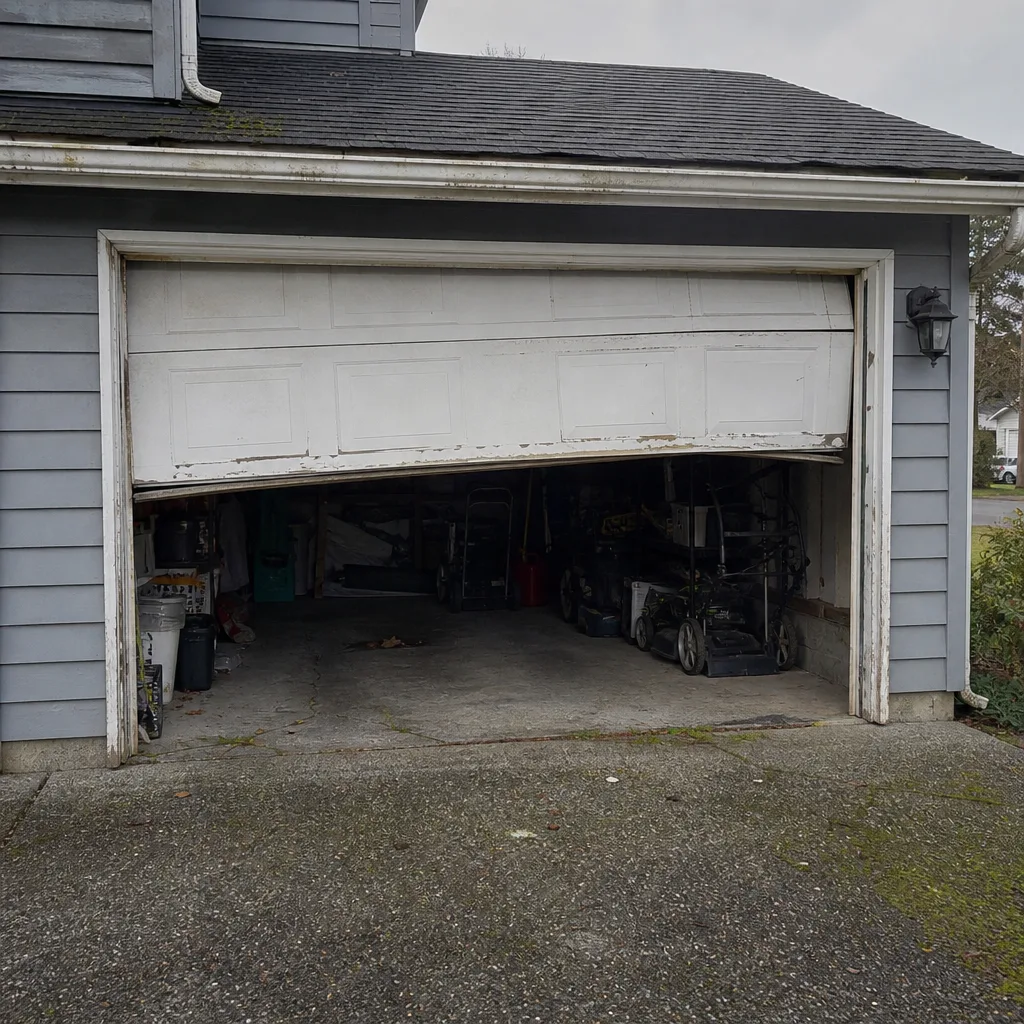
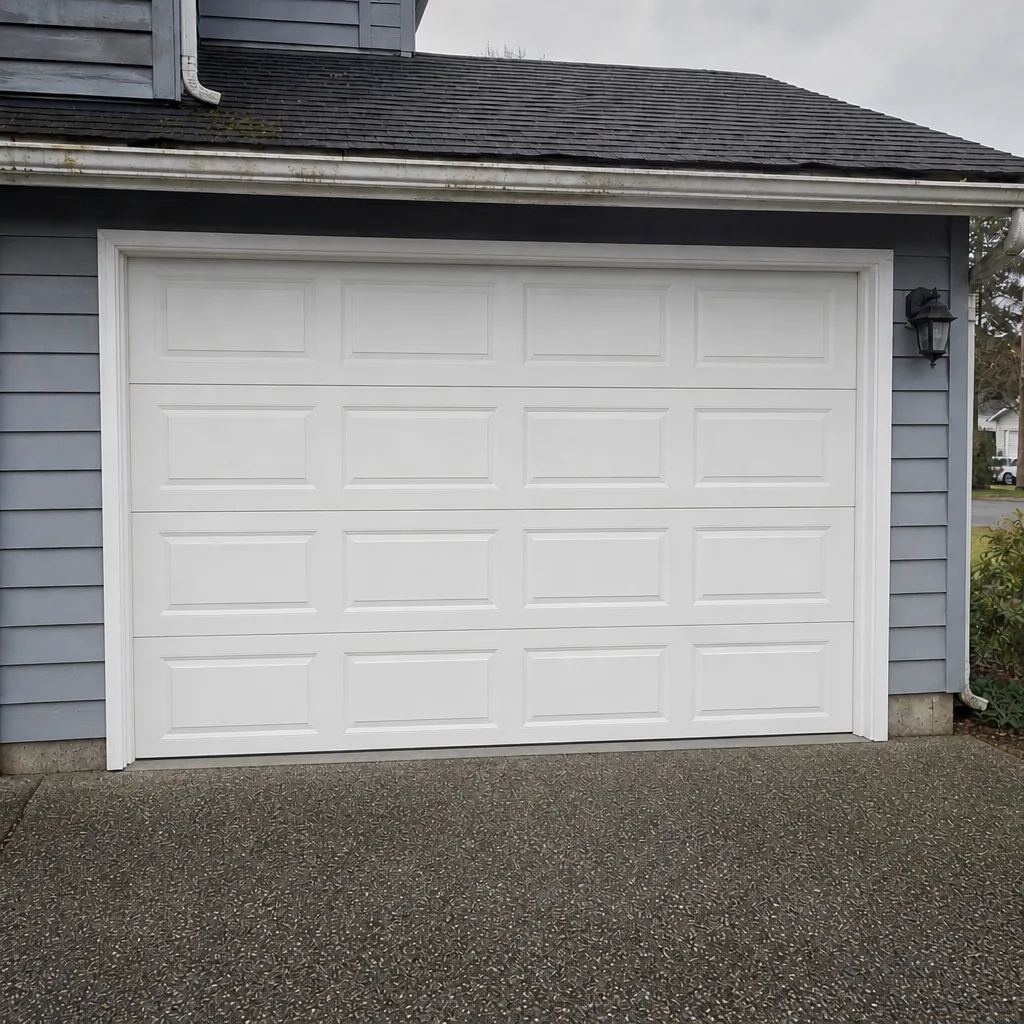
See the difference
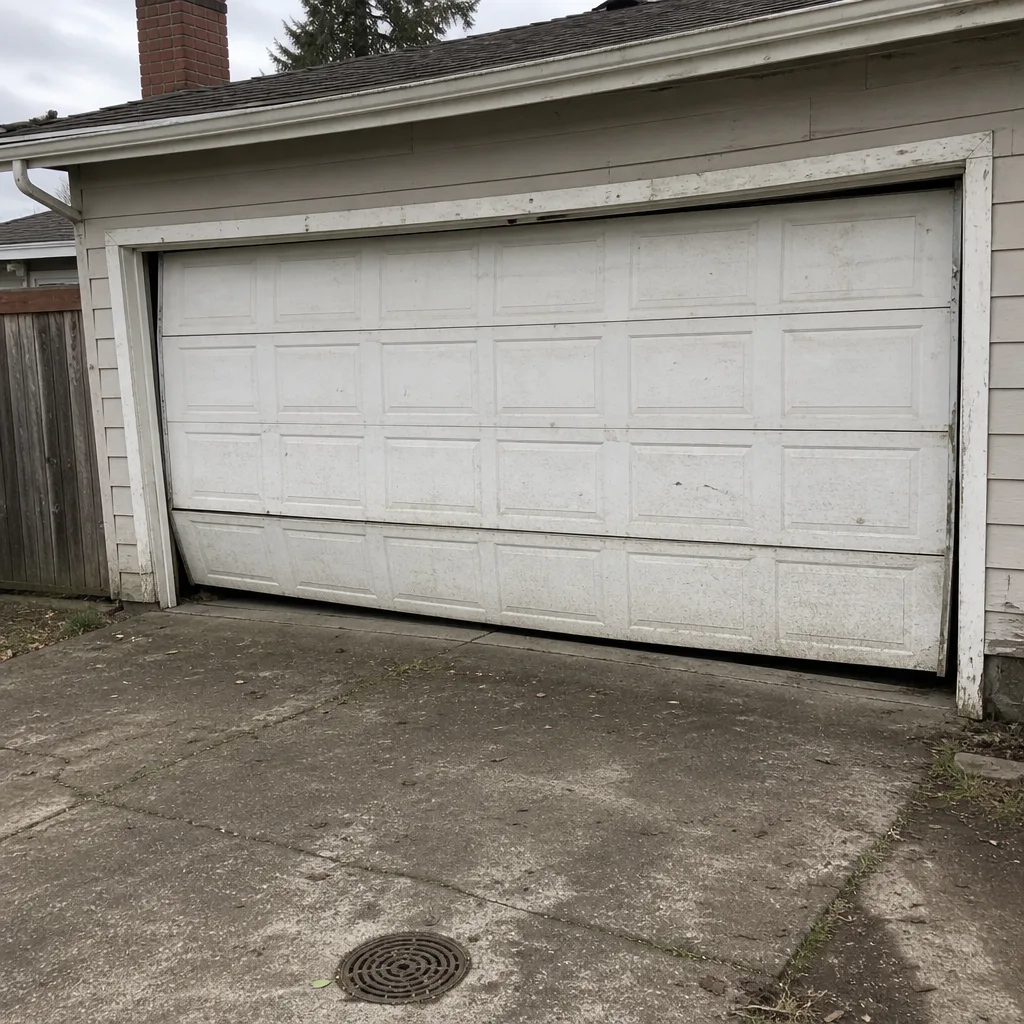 Before
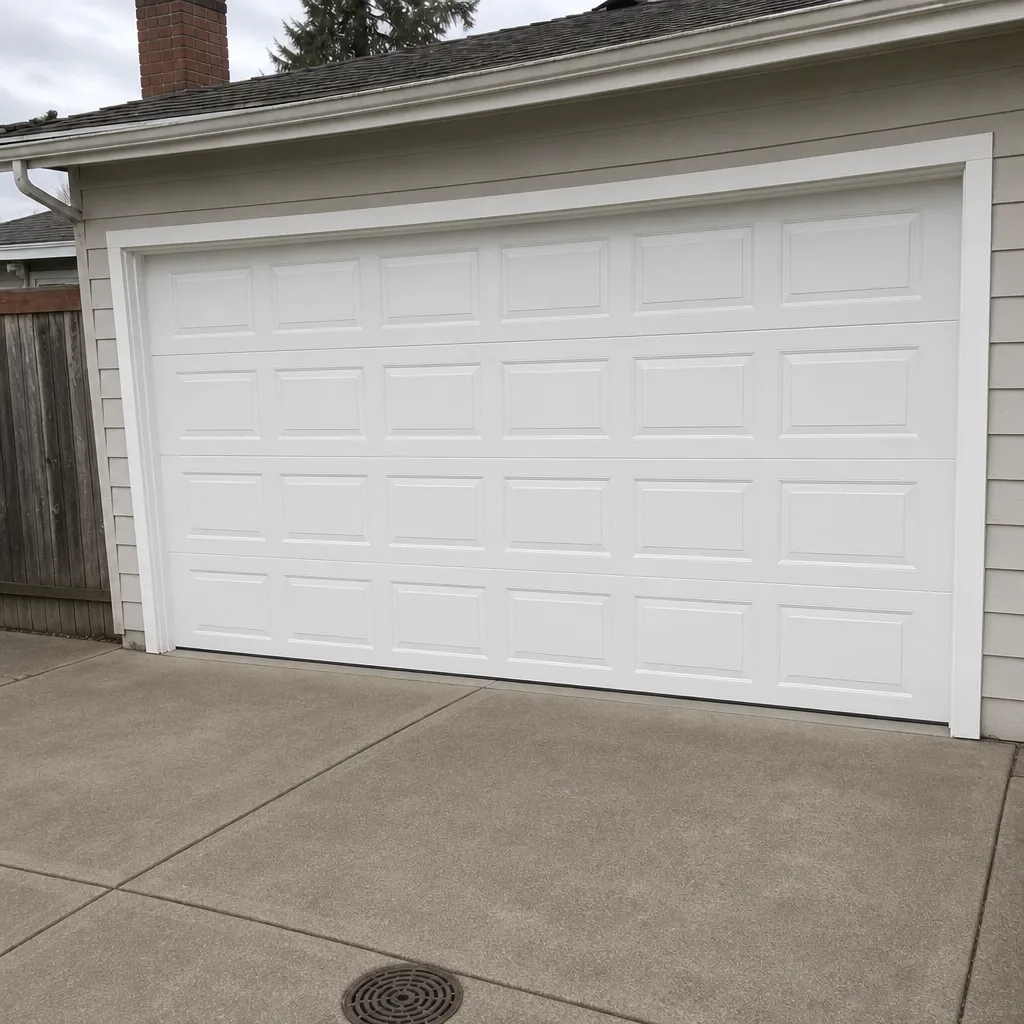 After
 Before
 After
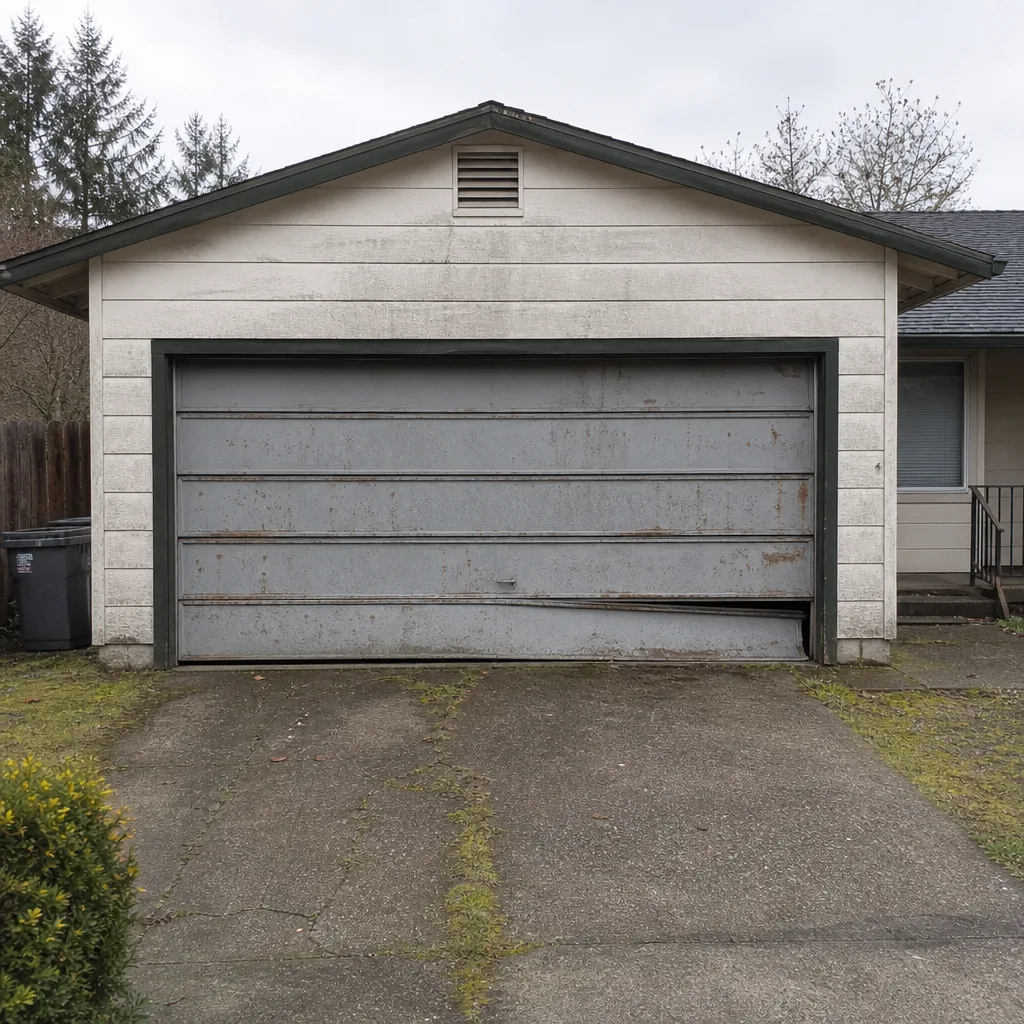 Before
 After
When to Call a Professional
Call a professional when the task involves a torsion spring, an extension spring, a cable, the torsion shaft, or any component under stored tension. That’s the short list, and it covers most of the serious repair work. Also call when you can’t confidently diagnose the problem, when the door is stuck open and you need to secure it, when the opener is overloading or tripping its circuit, or when a repair you attempted didn’t fully resolve the symptom. If you’re not sure which side of that line you’re on, a phone call is cheaper than the wrong part. Federal Way Garage Door Repair Co offers free estimates in Federal Way – call (855) 337-0888. We answer 24/7. Fast dispatch from 7am to 7pm, Sunday through Friday. The price is quoted and agreed before any work starts, and our technicians have up to 9 years of experience on every major brand.
Frequently Asked Questions
A single torsion spring replacement typically runs $180-$340 in the Federal Way market, and a matched pair costs about twice that because both springs are usually replaced together. The written estimate sets the final price, and it’s given before any work starts. Call (855) 337-0888 for an exact quote – estimates are free.
You can buy the parts, but safe replacement requires winding bars, a spring winder, a door scale, and a specific controlled release sequence – and a mistake releases stored energy instantly. The engineering reason is that the spring holds full tension even when the door is closed. That risk is why we recommend a trained technician for any spring or cable work.
Bottom weather seals, roller replacement, lubrication, safety sensor alignment, and track cleaning are all safe DIY tasks with no stored tension involved. Those five cover a large share of the calls homeowners make, and they’re worth doing on a schedule. If a repair requires you to be under the torsion shaft or to wind a spring, it’s professional territory.
No – the price is quoted and agreed before any work starts, and the written estimate sets it. A diagnosis might reveal a different or additional problem than the one you called about, but that gets discussed and approved as a new written estimate before anyone proceeds. Call (855) 337-0888 to book a free estimate.
It depends on the cause – sensor misalignment is the cheapest fix, while a track or opener issue costs more, and a spring problem falls into the $180-$340 range for a single spring. The symptom rarely tells you the actual cause, which is why a diagnostic comes first. Estimates are free, so call (855) 337-0888 for an exact quote.
Yes – the local professional who performs the work is licensed and insured as their state requires. Our technicians have up to 9 years of experience and work across all major brands, including Wayne Dalton, LiftMaster, Craftsman, and Raynor. Call (855) 337-0888 for an exact quote – estimates are free.
The Bottom Line
The DIY versus professional question for garage door repair isn’t about skill, and it isn’t about cost. It’s about mechanical risk. Seals, rollers, lubrication, and sensor alignment are low-risk, high-return tasks you should do yourself on a regular schedule. Springs and cables involve stored energy that releases without warning and requires specific tooling and procedure – that’s a professional task in any city, including Federal Way. The cost math supports the split too, since spring tools and correct parts often exceed the professional price. When in doubt, call first. Federal Way Garage Door Repair Co offers free estimates in Federal Way – call (855) 337-0888. We answer 24/7. Fast dispatch from 7am to 7pm, Sunday through Friday.
Written by the team at Federal Way Garage Door Repair Co.